India's US Treasury holdings dropped to $181 billion in April, marking the lowest level in nearly six years, according to data from the US Federal Reserve. The decline represents a significant shift from $232 billion a year earlier, reflecting a sustained reduction in the Reserve Bank of India's exposure to US government debt. As reported by The Times of India, this reduction has been partly offset by a rise in gold reserves, highlighting India's ongoing strategy of diversifying its foreign asset portfolio. The trend suggests a change in the RBI's approach to managing the country's foreign exchange reserves, with the central bank gradually lowering its allocation to US Treasury securities while increasing its investment in gold. As reported by The Economic Times, India's holdings had previously fallen below this level in May 2020, when they stood at $169 billion, indicating this represents the lowest level since then.
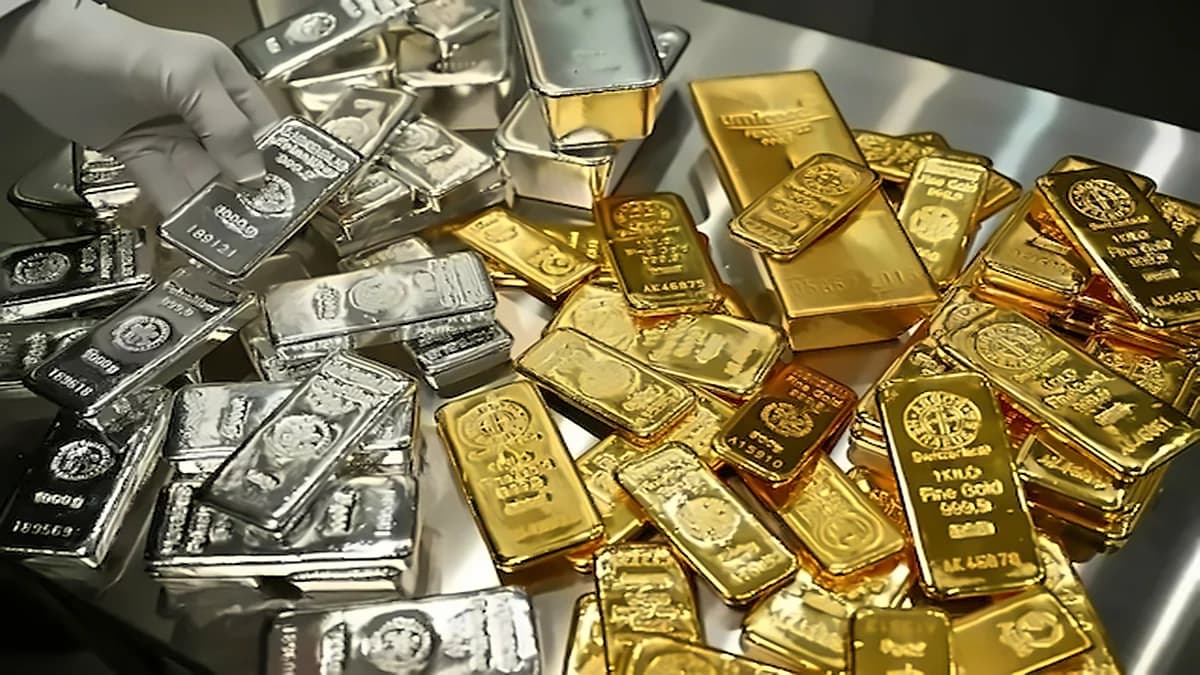
The RBI has significantly increased its gold reserves to 881 metric tonnes over the past year, up from 879 metric tonnes in April 2025, according to RBI data. The current value of gold reserves stands at $102.5 billion. According to Madan Sabnavis, chief economist at Bank of Baroda, this reflects a natural decrease in foreign currency assets, with gold offering strategic advantages as 'it does not belong to any particular country'. As reported by The Times of India, Sabnavis emphasised gold's strategic importance, noting that it "does not belong to any particular country" and can be monetised or pledged in extreme situations such as severe financial sanctions or loss of access to foreign currency assets. The value of gold reserves six years ago stood at 658 metric tonnes, demonstrating the substantial increase in gold holdings over time.
The Reserve Bank of India is not alone in increasing gold holdings, with central banks worldwide steadily accumulating the precious metal. According to data from the world gold council, central banks of Poland, China, Czech Republic and Turkey remained net buyers of gold in April. However, countries like Japan, United Kingdom, Belgium, France and Canada have net purchased US Treasury bills. This global trend reinforces gold's position as a reserve asset that carries no risk and remains accessible during periods of geopolitical stress, as demonstrated by the 2022 Western sanctions on Russia that froze significant portions of foreign exchange reserves. The strategic importance of gold came into sharper focus in 2022 after Western sanctions led to the freezing of a substantial portion of Russia's foreign exchange reserves, underscoring gold's value as a reserve asset that is free from counterparty risk and remains available even during periods of heightened geopolitical uncertainty.