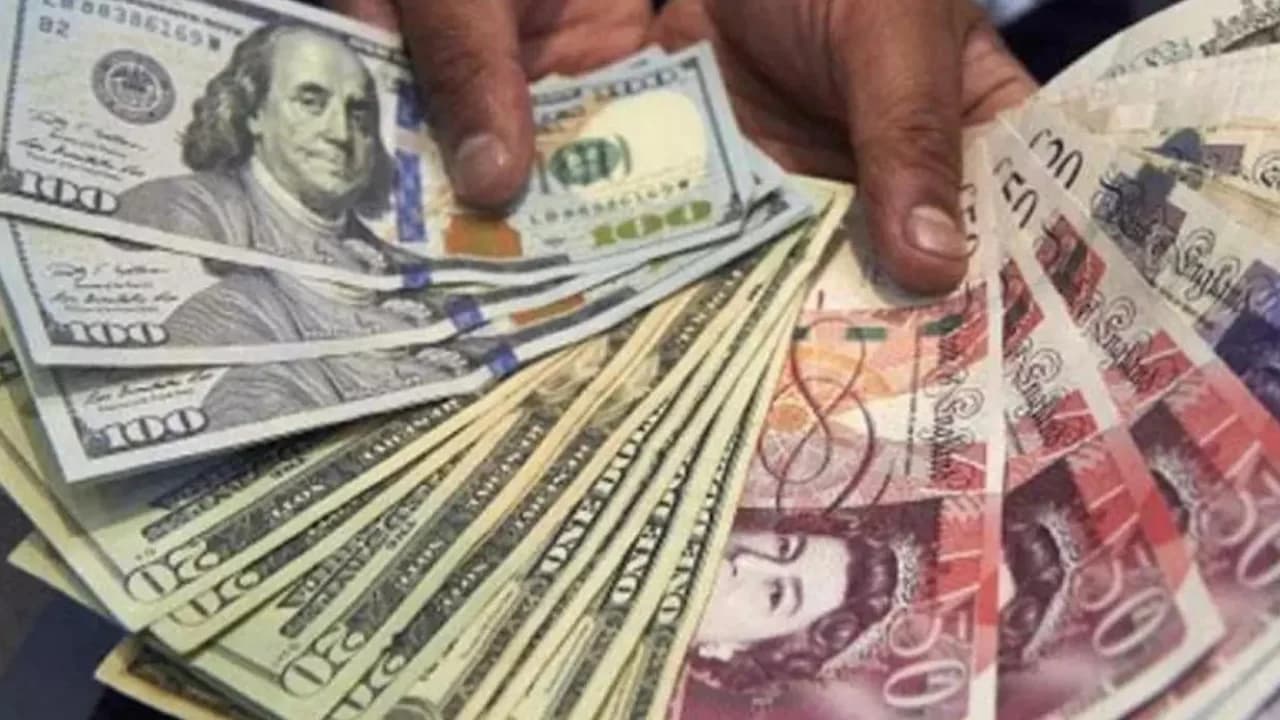
India's foreign exchange reserves declined by $2.119 billion to $723.608 billion for the week ended February 20, 2026, according to data released by the Reserve Bank of India (RBI) on Friday. As reported by The Hindu BusinessLine, this marks a significant reversal from the previous reporting week when the country's overall reserves had risen sharply by $8.663 billion to touch a record high of $725.727 billion. The decline suggests potential active management by the RBI to counteract depreciation pressures on the Indian Rupee amid strengthening global dollar conditions and escalating geopolitical tensions in the Middle East. The RBI had previously stated that the country's foreign exchange reserves were sufficient to cover more than 11 months of merchandise imports after the latest monetary policy review meeting last month.
During the latest reporting week, foreign currency assets (FCAs), a major component of the reserves, decreased by $1.039 billion to $572.564 billion, according to the RBI data reported by The Hindu BusinessLine. The value of gold reserves declined by $977 million to $127.489 billion during the week under review. Additionally, Special Drawing Rights (SDRs) were down by $84 million to $18.84 billion, while India's reserve position with the International Monetary Fund (IMF) also fell by $18 million to $4.716 billion in the reporting week. This component-wise breakdown provides insight into the specific factors contributing to the overall decline in India's forex reserves during the week under review.
According to the RBI data reported by The Hindu BusinessLine, foreign currency assets expressed in dollar terms include the effect of appreciation or depreciation of non-US currencies such as the euro, pound and yen held in the foreign exchange reserves. The Indian Rupee (INR) had weakened by 0.34% to 90.99 against the US dollar on February 20, 2026, with traders suspecting RBI dollar sales to defend the 91 per dollar psychological mark. The RBI often intervenes by managing liquidity, including selling dollars, to prevent a steep depreciation of the rupee, strategically buying dollars when the Rupee is strong and ideally selling when it weakens.
The aggressive use of foreign exchange reserves for intervention introduces risks, as continuous net dollar sales by the RBI could lead to significant depletion of these reserves, diminishing the central bank's capacity to manage future volatility. The INR's real effective exchange rate (REER) has softened, indicating potential competitiveness gains for exports but also making imports more expensive and contributing to inflationary concerns. India's substantial reliance on oil imports makes it particularly vulnerable to rising energy prices, which could further strain the currency and necessitate sustained intervention. Indian equity markets have seen declines and foreign portfolio investors have been net sellers, highlighting potential vulnerability to capital outflows.
India's forex reserves have experienced significant volatility, with a notable drop of $6.711 billion occurring in early February 2026 after touching another peak. In late 2025, reserves declined for multiple consecutive weeks, including a $1.877 billion fall in the week ended November 28, 2025. According to The Hindu BusinessLine, the forex kitty has increased by about $56 billion in 2025, compared to just over $20 billion in 2024. In 2023, India added around $58 billion to its foreign exchange reserves, in contrast to a cumulative decline of $71 billion in 2022. Looking ahead, analysts anticipate continued global economic uncertainty, with growth projections for 2026 hovering around 2.7% to 3.1%, while inflation is expected to moderate globally, though regional variations persist.