U.S. markets showed divergent performance on Tuesday as investors weighed optimism over an imminent U.S.-Iran peace deal against risks that the tenuous ceasefire could collapse. The S&P 500 rose 0.61% to 7,519.39, while the Nasdaq climbed 1.19% to 26,656.18, both achieving record closing highs. However, the Dow Jones fell 0.23% to 50,462.41, putting it in negative territory. As CFRA Research chief investment strategist Sam Stovall noted, "It's almost like the asset classes are diversifying by being a little long in one and short in the other, which indicates to me that the market's not really sure what should happen." Marc Chandler, chief market strategist at Bannockburn Global Forex, explained that "We go home over the weekend thinking we're close to a ceasefire and now there are new hostilities," with investor confidence in a quick resolution waning.

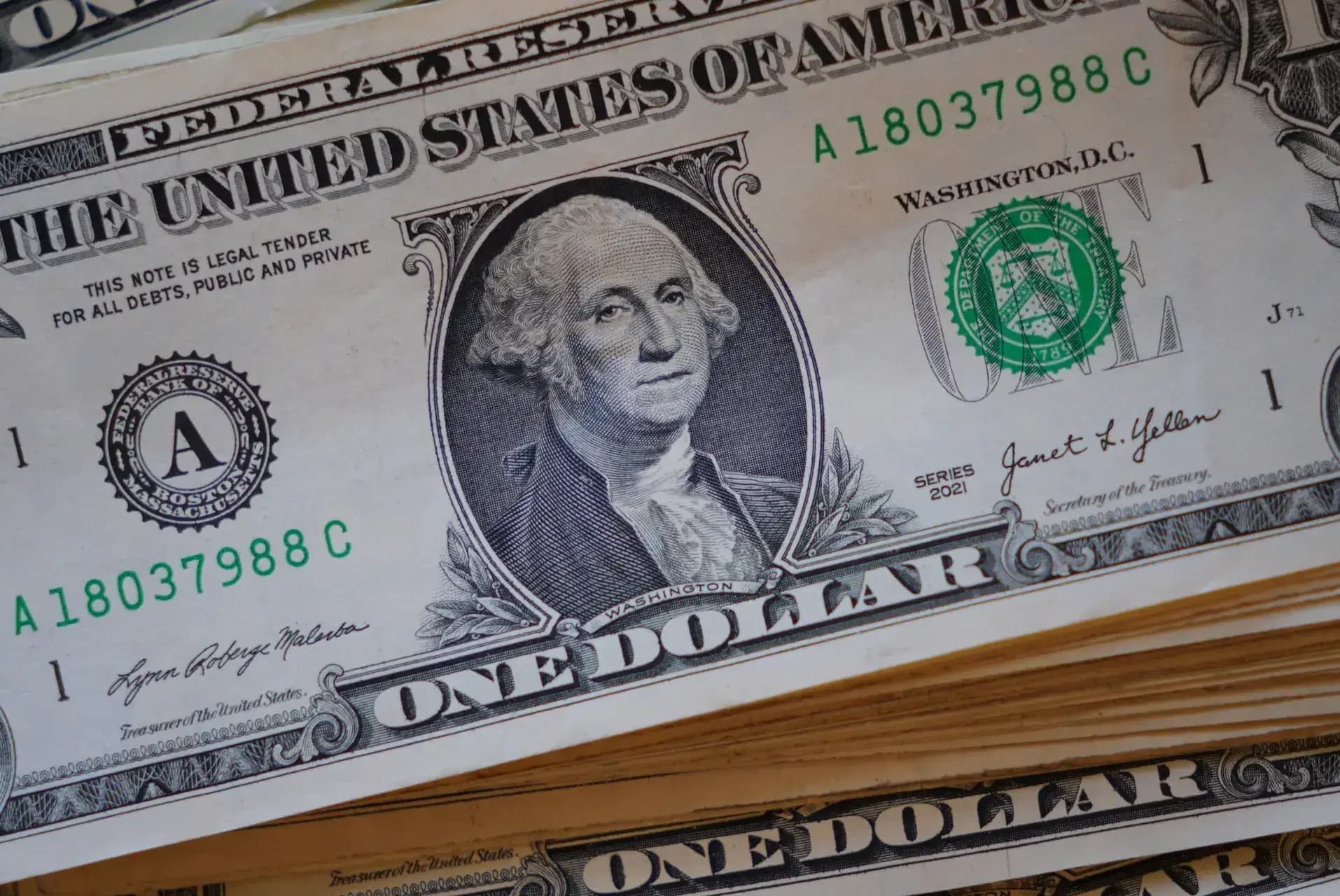
The U.S. dollar steadied on Tuesday as investor hopes of an imminent deal to reopen the Strait of Hormuz trade route and end the Iran war were dented by fresh U.S. attacks on Iranian targets. According to reports from Reuters, Iran accused the U.S. of violating a ceasefire with what they called defensive strikes in southern Iran, while U.S. Secretary of State Marco Rubio indicated that negotiations on a deal with Iran could "take a few days" after U.S. forces conducted what Washington called defensive strikes in southern Iran. The dollar index rose 0.1% to 99.14 after falling 0.3% the previous day, with the euro down 0.09% at $1.1632. Against the Japanese yen, the dollar strengthened 0.25% to 159.29, putting the currency pair closer to the 160 level at which traders watch for potential intervention by Tokyo. As reported by Bannockburn Global Forex, Marc Chandler, chief market strategist, explained that "We go home over the weekend thinking we're close to a ceasefire and now there are new hostilities," with investor confidence in a quick resolution waning.
Oil markets displayed contrasting trends as investors weighed different supply scenarios. Brent crude prices spiked after settling 7% lower in the previous session, with Brent settling at $99.58 per barrel, up 3.58%, while U.S. WTI oil fell 2.81% to settle at $93.89 per barrel. According to Reuters, Brent crude futures rose 2.6% to $98.62 a barrel after dropping 7% on Monday, with oil prices clawing back some of their losses at the start of Tuesday's trading on news of the U.S. strikes. The shift in sentiment weighed on the Japanese yen, pushing it closer to the 160-per-dollar level that traders see as a potential trigger for intervention by Tokyo. The dollar strengthened 0.03% to 6.786 versus the offshore Chinese yuan. As noted by Goldman Sachs analysts, "FX markets remain narrowly focused on a single theme – the back-and-forth in headlines, risk sentiment, and energy prices around the conflict in the Middle East."
Despite fresh U.S. attacks on Iranian targets, Iran's top negotiator and its foreign minister were in Doha for talks with Qatar's prime minister on a potential deal to reopen the crucial Strait of Hormuz and end the three-month-long Iran war. As reported by Reuters, U.S. President Donald Trump said talks with Iran were going "nicely," but warned of fresh attacks if they failed. However, analysts are taking a more cautious view of the prospects. Charu Chanana, chief investment strategist at Saxo, said "I would not confuse positive negotiation noise with a durable de-escalation yet. The real test is not the headline deal, but whether tankers can move freely, insurance premiums can fall and energy flows can normalise." According to IG market analyst Tony Sycamore, "the real test is not the headline deal, but whether tankers can move freely, insurance premiums can fall, and energy flows can normalize."
Economic data on Tuesday showed the mood of the American consumer, whose spending accounts for 70% of the U.S. economy, darkened slightly in May amid mounting inflation concerns. U.S. Treasury yields fell as hopes for a deal to reopen the strait helped soothe inflation fears. The yield on benchmark U.S. 10-year notes fell 8 basis points to 4.493%, from 4.572% late on Friday. The 30-year bond yield dropped 5.4 basis points to 5.0283% from 5.082% late on Friday. The 2-year note yield, which typically moves in step with interest rate expectations for the U.S. Federal Reserve, fell 8.2 basis points to 4.045%, from 4.127% late on Friday. According to CFRA Research strategist Sam Stovall, "If we do get a true agreement between the U.S. and Iran, then I think the market is ready to take off."