
The Japanese yen extended its decline for the fourth consecutive day, falling 0.62% to 156.69 per dollar as markets react to upcoming Japanese elections. According to Reuters, the yen has dropped more than 2% since January 30, inching closer to its weakest level since January 23 when the currency strengthened sharply from 159.23 amid speculation the New York Federal Reserve was conducting rate checks. U.S. Treasury Secretary Scott Bessent denied last week that Washington was intervening to support the yen, arguing the U.S. has a strong dollar policy. The prospect of a joint U.S.-Japan intervention to boost the yen has broadly pulled the currency back from the brink, though the yen's fate hangs in the balance ahead of this weekend's Japanese election.
The U.S. dollar rose against the yen on Wednesday, with the dollar index rising 0.25% to 97.64 as investors remained cautious following the swift end of a partial government shutdown after four days. According to Reuters, the dollar broadly firmed on expectations that Kevin Warsh's nomination by President Trump as the next Federal Reserve chief is unlikely to push for rapid rate cuts. Investors have been relieved as the appointment eased concerns over the Fed's independence after Trump's constant attacks on the central bank and current Fed Chair Jerome Powell. Trump late on Tuesday signed a spending deal into law that ends the partial U.S. government shutdown, though crucial employment data that was due on Friday will be delayed because of the shutdown. Warsh has argued that productivity gains from artificial intelligence could justify easier policy, while calling for a smaller Fed balance sheet in a mix that would steepen the yield curve but leave the broader interest rate direction uncertain.
In the national election, Prime Minister Sanae Takaichi is seeking voter backing for increased spending, tax cuts and a new security strategy that is expected to accelerate a defence build-up. According to Reuters, strategists mentioned an Asahi Shimbun poll released at the weekend providing a strong indication that the ruling coalition government of the Liberal Democratic Party (LDP) and Japan Innovation Party are likely to build on their slim majority in the country's lower house, and may even secure a two-thirds majority, although that would be a bigger surprise. Takaichi earlier this week triggered a yen selloff after a campaign speech in which she talked up the benefits of a weaker currency, though she later walked back those comments. While she later walked back those comments, there are lingering worries that mixed signals from the prime minister could hurt efforts to support the frail currency.
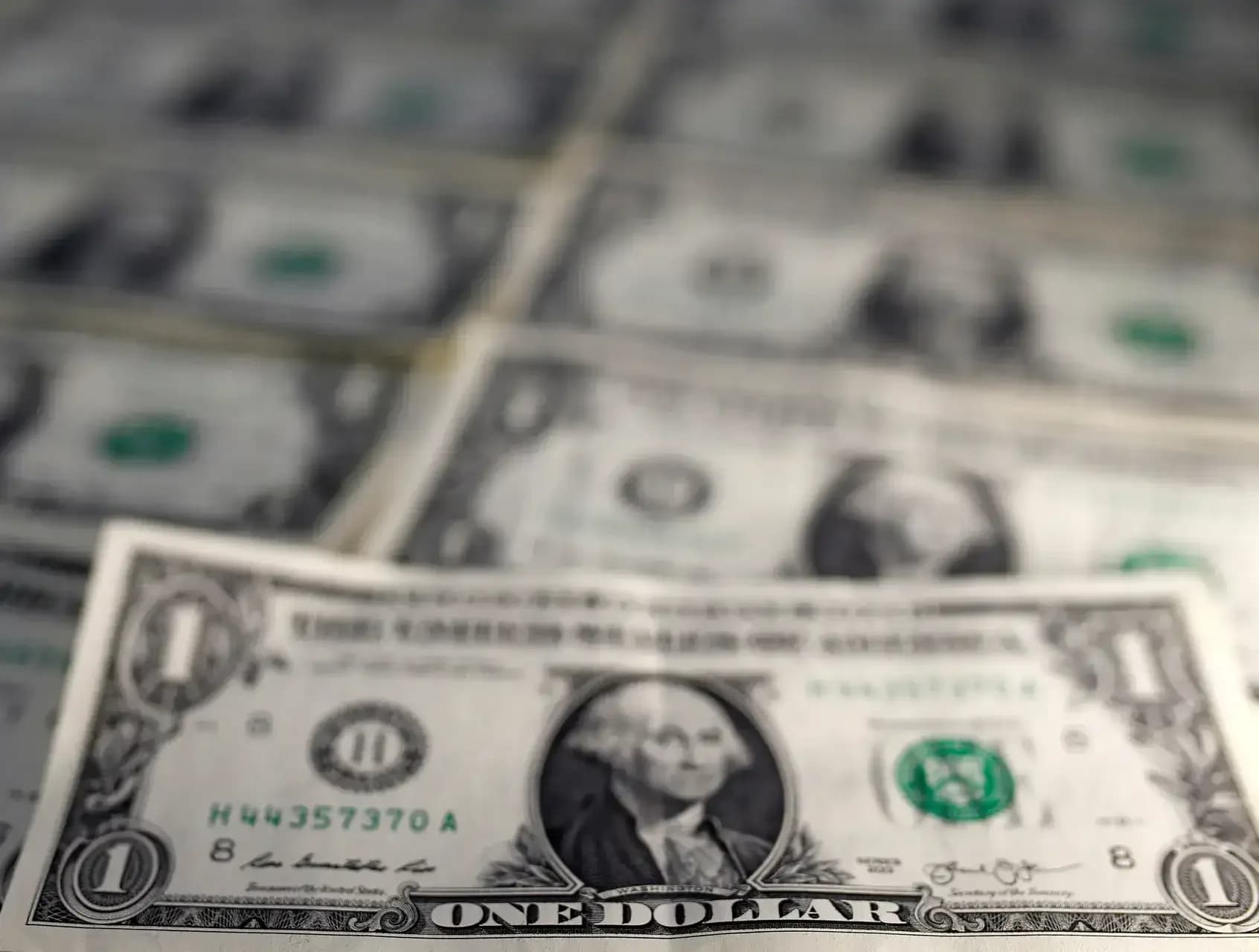
The euro slipped 0.15% to $1.1801 ahead of the European Central Bank's policy decision on Thursday, with investors keen on any comments about how the single currency's valuation might affect the policy path. The euro hit a 4-1/2-year high at 1.2084 last week as policymakers flagged growing concerns over its quick appreciation, warning that it could drag inflation down even as price growth is already set to undershoot the ECB's 2% target. ECB Vice President Luis de Guindos said last summer that an exchange rate of 1.20 versus the dollar was acceptable, but levels beyond that could become more complicated. The Australian dollar fell 0.26% to $0.7004 after a sharp 1% rise in the previous session as the Reserve Bank of Australia hiked interest rates, leaving markets wagering further hikes would be needed this year.
"Markets are being driven by Japan election risks, cooling euro zone inflation, and a renewed focus on U.S. growth and labor momentum, leaving the dollar modestly supported while the yen remains the clear underperformer," said Joel Kruger, market strategist with LMAX Group in London. "Attention is squarely on what incoming activity and employment signals mean for the outlook, with the Federal Reserve still expected to stay on hold near term - while softer labor trends would pull forward rate-cut expectations and firmer resilience would push easing further out, keeping FX and rates highly sensitive to macro data." The dollar index remains near recent highs as investors continue to digest the implications of Warsh's Fed nomination and its potential impact on monetary policy direction.