India's economy is poised for continued growth in the 2026-27 financial year, with the government projecting a GDP expansion of between 6.8 percent and 7.2 percent, according to the Economic Survey presented in Parliament on January 29. This projection represents a modest slowdown from the current year's 7.4 percent estimate, attributed to external factors such as slower growth in key trading partners, disruptions in trade due to tariffs, and volatility in capital flows. Finance Minister Nirmala Sitharaman emphasized the cautiously optimistic outlook during the survey presentation, stating "Steady growth amid global uncertainty, requiring caution, but not pessimism." The survey reinforced this sentiment by highlighting that while global volatility has created uncertainties, India is not currently facing immediate macroeconomic stress.
Global trade growth is expected to slow dramatically to 0.5-1% in 2026, following a 4.2% surge in 2025, as frontloading effects fade and protectionist headwinds intensify, according to ING Economic and Financial Analysis. This significant deceleration comes as US tariff policies continue to impact global trade dynamics and strategic positioning, with protectionism remaining firmly in place despite ongoing trade negotiations. The Economic Survey highlights that domestic consumption has been a key driver of growth, supported by rising household incomes, government spending, and expanding financial inclusion, with urban and rural demand both contributing to the overall growth story. India's cautious optimism contrasts with the global trade outlook, as persistent geopolitical tensions, regulatory changes, and ongoing conflicts will sustain volatility in international trade flows.
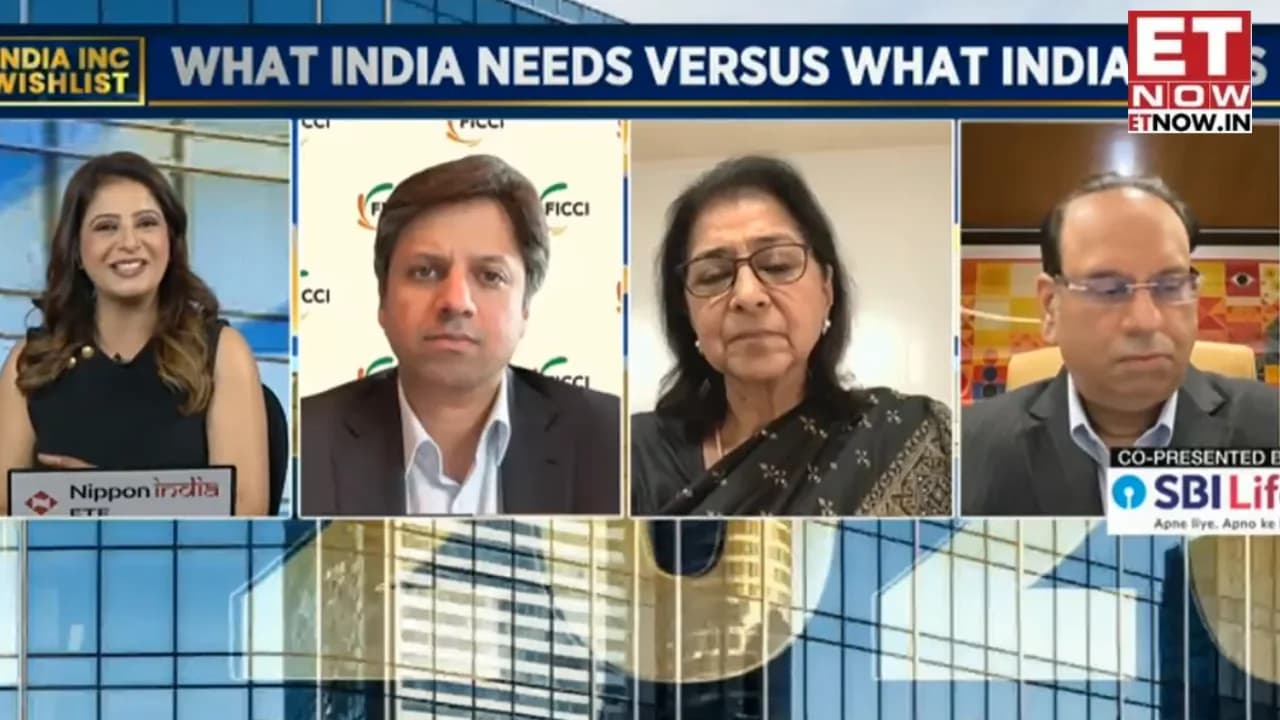
With Budget 2026 approaching, India Inc is approaching with cautious optimism as nearly 8 in 10 companies express positive sentiment about the year ahead. According to reports from ET Now, approximately half of companies expect the economy to grow between 7 and 8 per cent, driven by stronger consumption and steady fiscal management. The confidence stems from the government's push to put more cash in consumers' hands through changes in income tax slabs and GST overhaul, which has released nearly ₹150,000 crore into the economy. The Bloomberg Commodity Return Index has climbed more than 4% last week, marking its strongest three-week run in almost four years, with gold, silver and platinum forming the core of hard-asset demand. This commodity boom coincides with MSCI's Metals and Mining Index beating semiconductors, global banks and technology stocks by a wide margin with a 90% gain since the start of 2025, as investors seek protection from fiscal uncertainty and currency weakness.
Currency volatility has emerged as a key challenge, with the Indian rupee recently falling to a record low of 91.9850 against the US dollar on January 29. The survey acknowledges that a weaker currency can cause investors to pause and reassess their exposure to Indian markets, particularly in a period of heightened global uncertainty. Global dollar weakness has intensified significantly with the Bloomberg Dollar Spot Index tumbling nearly 10% during Trump's second term, reaching its lowest levels since 2022. According to Bloomberg reports, Trump's unpredictability is rekindling investor interest in protectively diversifying away from the US, with emerging markets benefiting from the shift in sentiment - an index of their stocks rose over 8% in January alone. Treasury Secretary Scott Bessent moved to walk back Trump's comments on Wednesday, stating during a CNBC appearance that the administration continues to favor a strong dollar and that the US wasn't intervening to prop up the yen, which helped halt the dollar's decline.
One of India's strategic responses to global volatility and trade restrictions has been diversification of its trade partnerships. In recent months, New Delhi has finalized a trade deal with the European Union, following agreements with the United Kingdom, Oman, and New Zealand in the previous year. Talks are ongoing with nearly a dozen other trade blocs and countries to secure similar deals. This trade diversification is designed to reduce India's dependence on any single market, particularly those susceptible to geopolitical tensions or protectionist policies. By expanding its trading relationships, India aims to sustain export growth, attract foreign investment, and maintain stability in its current account balance. The Economic Survey highlights that domestic consumption has been a key driver of growth, supported by rising household incomes, government spending, and expanding financial inclusion, with urban and rural demand both contributing to the overall growth story. BRICS nations are launching gold-backed currencies as part of their response to global monetary uncertainty, with gold in central banks now exceeding the value of US debt for the first time in many years.