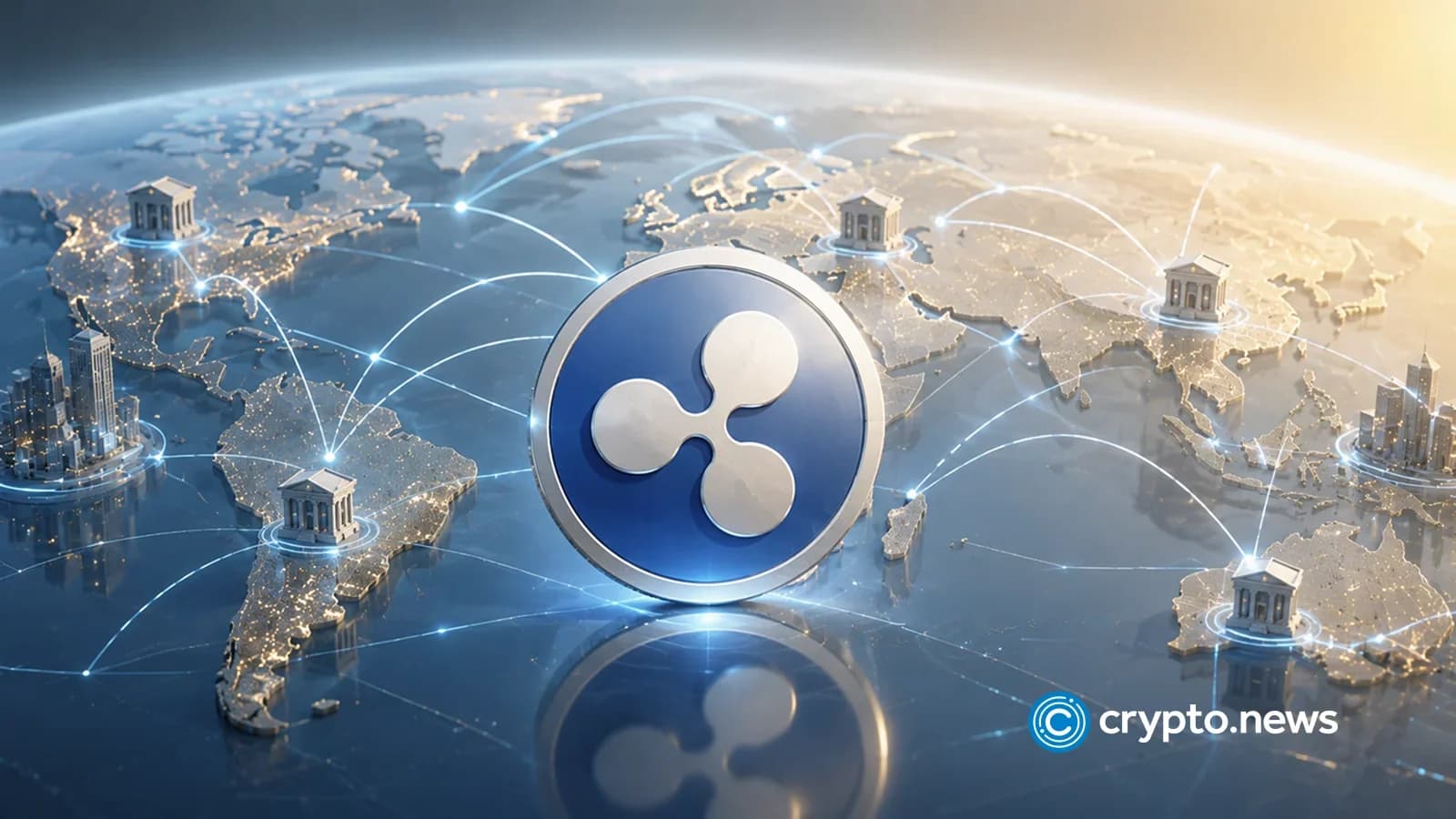
SWIFT has completed its migration to the ISO 20022 data standard in late 2025 and is now building its own blockchain shared ledger. According to reports, SWIFT's chief innovation officer framed the effort as preserving settlement in central-bank money, commercial-bank money, or tokenized deposits, while adding the ability to lock in commitments and execute complex cross-border transactions atomically. The ledger is permissioned and compatible with common smart-contract tooling, tied closely to ISO 20022 messaging, and designed to process real transactions before the end of 2026. Crucially, SWIFT's shared-ledger project deliberately excludes public-network assets like XRP, keeping value inside the regulated banking system while adding blockchain speed and programmability. This development is particularly significant as it means banks wanting blockchain settlement have an XRP-free option from the network they already trust, which meaningfully tempers the case for inevitable XRP adoption.
Despite SWIFT's exclusion of XRP from its blockchain ledger, XRP maintains optional access to SWIFT through a Thunes integration. As reported, the routing works in sequence: a company sends a payment via SWIFT, SWIFT can route it through Thunes, Thunes offers access to Ripple's ODL infrastructure, and XRP settles that leg. However, participation is not required, meaning banks can use the XRP rail but are never forced to use it over alternatives available to them. This optionality creates demand optionality rather than guaranteed volume, with banks defaulting to rails and assets they already know. The critical distinction is that this access is optional, not mandated, giving XRP exposure to a vast network of institutions while creating demand optionality rather than guaranteed volume.
Ripple has been aggressively advancing its dollar-pegged stablecoin, RLUSD, positioning it as enterprise-grade infrastructure that offers speed of blockchain rails without price volatility of XRP. According to reports, RLUSD is fully reserved with cash and short-term government securities, audited regularly, and directly complements SWIFT's own tokenized-deposit strategy instead of trying to overthrow it. This pivot reveals how Ripple now sees the landscape as fragmented and interoperable, building rails that work whether or not banks choose XRP, understanding that enterprises often want stability over a bridge asset. The company is hedging its bets by leaning into a dollar stablecoin alongside XRP, building rails that work whether or not banks choose XRP, because it understands that enterprises often want stability over a bridge asset and that the future is more likely to be a fragmented mix of instruments than a single winner.
A persistent claim in XRP circles holds that XRP is ISO 20022 compliant in a way that guarantees it a central role, but the reality is more limited. As reported, Ripple did join the ISO 20022 standards body, becoming one of the first blockchain firms to do so, and RippleNet is built to send and receive ISO 20022 messages. However, the XRP token itself is not ISO 20022 certified, because ISO 20022 standardizes messaging formats and does not certify cryptocurrencies or blockchains at all. The standard governs how payment information is structured, not which asset settles a payment, making it a prerequisite for interoperability rather than a victory for any single token. The standard raises the bar for every payment solution, traditional or crypto, and SWIFT, as the established messaging hub that helped shape the standard, arguably benefits at least as much as Ripple does.
The 2026 evidence strongly suggests that XRP is complementing the banking network far more than replacing it, with the landscape forming as fragmented and interoperable rather than winner-takes-all. According to reports, XRP's realistic role is as one optional liquidity leg among many, valuable where it is chosen but never mandated, available to thousands of institutions through SWIFT connection yet competing against tokenized deposits, stablecoins, and SWIFT's own XRP-free ledger for each transaction. The replacement dream made XRP a bet on inevitability, while the complementary reality makes it a bet on competition, with XRP's value depending on how often institutions actually choose the XRP rail and whether that volume grows enough to matter against the token's large supply. For holders, the practical takeaway is to replace the binary replace-or-die framing with a more accurate one: XRP now has a foot in the door of the world's dominant banking network, as one option a bank can choose, while SWIFT simultaneously builds its own settlement ledger that bypasses XRP. The landscape that is actually forming is not winner-takes-all but fragmented and interoperable, a world in which several systems coexist and connect instead of one sweeping the others away.