XRP has reclaimed the $1.20 level with a 7% weekly gain, recovering from a multi-month low of $1.09 following President Trump's declaration of an end to the US-Iran conflict. The reversal was triggered by the reopening of the Strait of Hormuz and subsequent fall in US crude oil prices below $80, reducing market fear and prompting short sellers to cover positions. As reported by multiple sources, this geopolitical de-escalation caused Bitcoin and riskier assets like XRP to experience sharp upward corrections, with XRP's higher-beta characteristics amplifying its outperformance relative to Bitcoin during the initial relief rally.
Ripple has confirmed its expansion into Southeast Asia through a resurfaced SBI Remit announcement that reveals live XRP-powered remittance infrastructure across Indonesia, the Philippines, and Vietnam. According to crypto researcher SMQKE's documentation on X, the service is built through a collaboration between SBI Remit, SBI VC Trade, Ripple, and SBI Ripple Asia. The timing aligns with Indonesia's Financial Services Authority (OJK) actively developing a regulatory framework for real-world asset tokenization, positioning Ripple's existing infrastructure strategically for future growth.
XRP's current price is consolidating in the $1.10-$1.25 range, with analysts projecting a potential move toward $1.62 by end of 2026, representing a 40% increase from current levels. As reported by the analysis, the RSI is attempting a reversal near 30, an oversold territory that historically precedes bounces but doesn't guarantee them. Key resistance levels are identified at $1.3 and $1.50, which must be cleared in sequence before sustained upside becomes viable. Recent breakout attempts have already been rejected at resistance levels, but current market conditions show signs of mounting overhead resistance as XRP trades roughly 4% below its weekly open near $1.47 and around 8% below its recent monthly high of $1.51.
The RippleRLUSD-- Fear and Greed Index (CFGI) currently rates XRP sentiment as Neutral (41/100), derived from ten distinct algorithms analyzing market psychology and on-chain data. Key drivers include Whale Sentiment showing extreme greed due to high stablecoin moves, offset by negative social sentiment reflecting retail caution. Historical data suggests that prolonged extreme fear periods serve as generational entry points for XRP, with the Crypto Fear & Greed Index hitting an all-time low of 5 on February 6, 2026, and remaining below 25 for 34 consecutive days - a duration that matches only two previous streaks since 2018, both of which preceded massive rallies. XRP whales added 1.3 billion tokens in 48 hours in early March, and $738 million in XRP left exchanges on March 10, mirroring accumulation patterns that preceded previous bull runs.
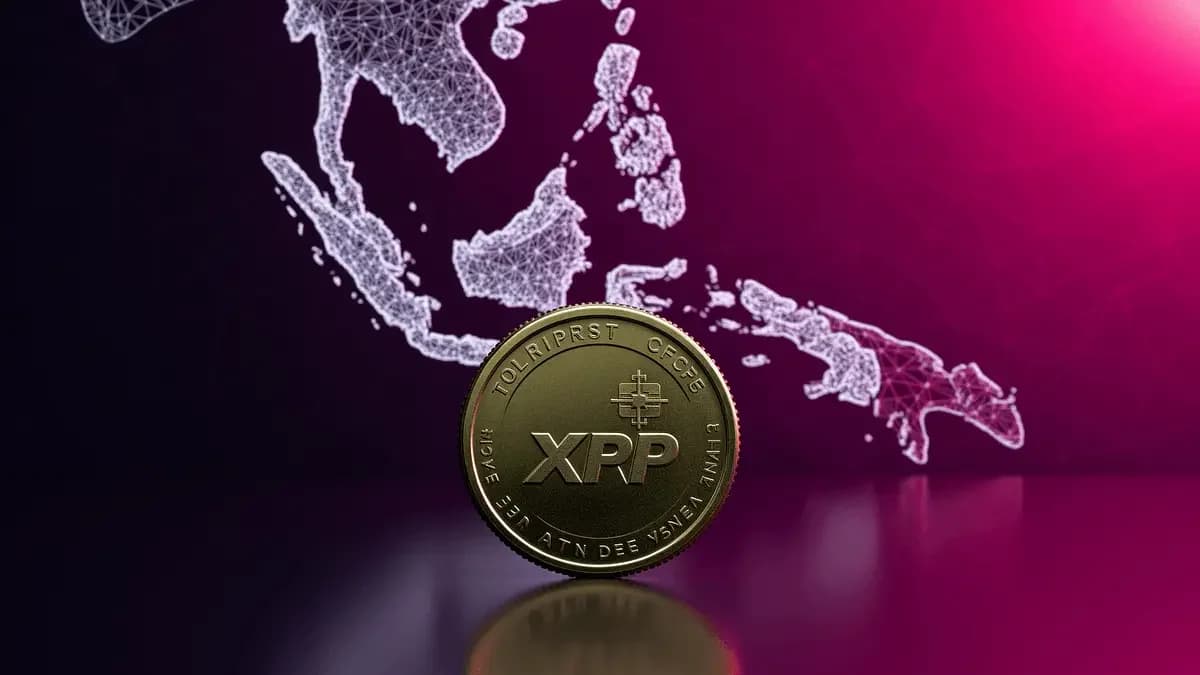
The XRP-based international money transfer service is designed to enable quick, low-cost, scalable cross-border bank account transfers using XRP's architecture. According to the documentation, the service covers three of the highest-volume remittance markets globally, providing Ripple with significant market penetration opportunities. The infrastructure positions Ripple advantageously as regulatory frameworks develop across these key markets, potentially accelerating adoption rates and transaction volumes. Two key structural drivers are currently influencing XRP's medium-term outlook: the CLARITY Act awaiting a Senate floor vote before the August recess, which would codify XRP's status as a commodity under federal law, and spot XRP ETFs that have accumulated approximately $1.44 billion in cumulative inflows since their November launch - steady institutional demand that occurred even during recent price declines.