According to reports from 99Bitcoins, XRP is currently trading at around $1.37, falling 1.5% over the past 24 hours as the token continues to slide further away from the $1.40 resistance level. The cryptocurrency's price movement comes despite viral claims circulating across crypto social media that suggest a massive partnership between Ripple and JPMorgan could catapult XRP to $10+. As reported by 99Bitcoins, the token is showing signs of holding support while slowly building momentum, with technical analysts suggesting potential targets of $1.45, $1.50, and $1.56 if buyers reclaim the resistance zone.
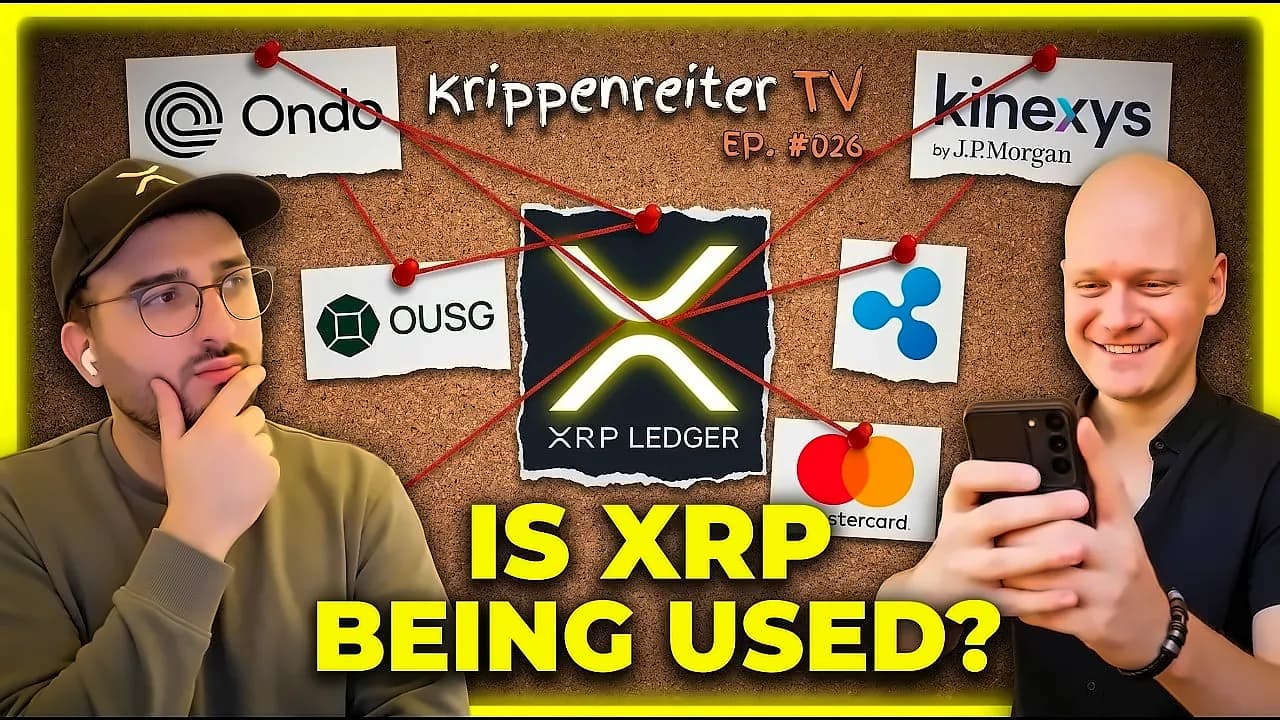
As reported by 99Bitcoins, the central tension in current XRP news involves genuine blockchain transactions being misread as proof of a JPMorgan-XRP alliance that does not exist. In a recent transaction, Ripple used the XRP Ledger to redeem Ondo Finance's on-chain product for short-term US government debt, with funds quickly credited to Ripple's account in Singapore via Mastercard and JPMorgan's infrastructure. However, the leap from 'interacted with' to 'partnered with' represents a factual gap in the current narrative. According to 99Bitcoins, this innovation streamlines the banking process significantly but does not constitute formal adoption of XRP as a preferred settlement layer.
According to 99Bitcoins analysis, JPMorgan operates its own blockchain, Onyx, and has developed internal systems such as JPM Coin, which are permissioned and tightly controlled. CEO Jamie Dimon has criticized public cryptocurrencies, labeling Bitcoin as a 'pet rock,' while acknowledging blockchain's value. JPMorgan's systems, such as Kinexys, support multi-ledger functionality, but a single transaction on the XRP Ledger does not imply that XRP is a preferred settlement layer. Similarly, Mastercard's Multi-Token Network connects various ledgers without favoring specific public tokens, with institutions favoring regulated environments over public token adoption.
As reported by 99Bitcoins, Evernorth has clarified that XRP was used as a coordinating layer in a specific transaction, not as a formal partnership. The company's strategy involves targeting a Nasdaq listing for XRP under the ticker XRPN, reflecting a speculative approach to XRP's utility rather than a confirmed commitment to institutional adoption. This speculative approach contrasts with the actual nature of the recent transaction, which represents practical blockchain innovation rather than institutional endorsement of XRP as a preferred settlement currency. The token currently sits less than 1% above the floor of a three-month rising channel, after smart money's quiet exit on May 17 triggered a chain of bearish technical signals.
According to Uphold President Nancy Beaton, speaking at the "XRP in One Minute" initiative, XRP could help speed up the transition of traditional finance toward blockchain infrastructure. Beaton highlighted two key drivers behind rising investor interest in XRP: growing retail demand for yield opportunities and steady institutional push toward blockchain adoption. On the retail side, investors increasingly seek assets that generate value rather than sit idle, fueling interest in native returns and crypto-based yield opportunities. The more significant driver is institutional adoption, with banks experimenting with pilot programs and hybrid blockchain models aimed at improving settlement speed and liquidity flow. As reported by Uphold, regional market conditions in low-interest economies like Japan and South Korea are influencing XRP adoption trends, with investors turning to alternative assets for liquidity and cross-border utility.