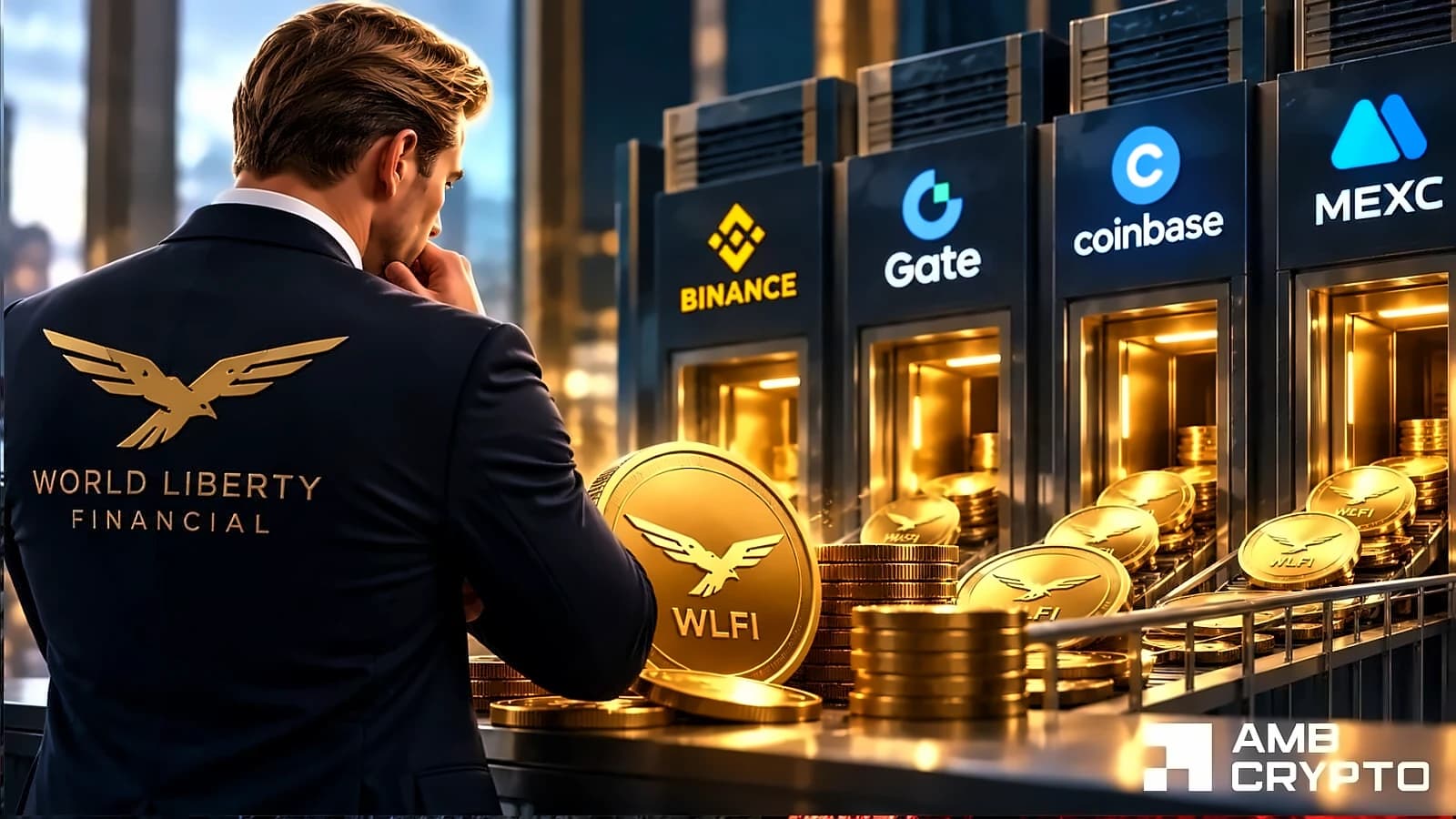
WLFI, the token of the Trump family-backed crypto venture World Liberty Financial, fell 95% from its September 2025 peak to around $0.016 on November 28, 2026, marking one of the sharpest single-day drops for a Trump-linked crypto asset. According to Reuters, the cryptocurrency token has lost more than 90% of its value since it started trading in September 2025, with the latest decline coming after Tron founder Justin Sun urged exchanges to delist both WLFI and USD1, alleging insider borrowing and asset freezing. Sun accused World Liberty of unlawfully freezing investor assets and defrauding investors, calling for exchanges to restrict deposits and disclose fund movements. However, World Liberty Financial is now blaming the crash on Binance, claiming the exchange forcefully liquidated winning traders through its auto-deleveraging system.

According to World Liberty Financial, Binance's auto-deleveraging (ADL) system automatically settled and closed outstanding perpetual futures contracts tied to the token during the overnight trading session. This system allows Binance to close other traders' profitable positions to manage losses, meaning traders can correctly predict price movements and still have their trades forcibly closed. A study by Gauntlet founder Tarun Chitra found that Binance relied too heavily on this system during the October 2025 market crash, more so than rival exchange Hyperliquid. World Liberty directed affected traders to Binance's customer support, though some traders reject the project's explanation, calling out the Trump-backed venture for shifting blame. Binance later posted on X that it was "aware of the reports regarding WLFI perpetual futures positions. Our team is actively reviewing the market activity and execution data," as reported by Reuters.
According to blockchain tracker Lookonchain, a wallet identified as World Liberty's strategic reserve swapped 12,121 ETH for 17.58 million USDC and 2.48 million USD1, totaling approximately $20.06 million at face value. The trades ran through CoW Protocol, as reported by Arkham Intelligence. CoinGlass tracked $16.89 million in WLFI futures liquidations, with longs accounting for about 90% of the positions. Open interest fell about 63% to $106 million over the same period, with reported futures turnover about four times the spot trading volume.
Crypto trader AuroraQAQ previously noted that a 'strategic reserve' selling at half its cost basis was concerning. The wallet then sent 2.5 million USD1 to Dolomite and moved 2,000 ETH worth $3.31 million back to the reserve about two hours later. In April, on-chain data showed a World Liberty wallet pledged roughly 5 billion WLFI tokens in a Dolomite lending position to borrow $75 million in USDC and USD1. Sun's California lawsuit alleges World Liberty blocked token movement and voting, with Sun buying roughly 3 billion WLFI tokens for $45 million and receiving another billion after becoming an adviser. Reuters reported in June that Trump-linked crypto ventures had generated billions of dollars for the Trump family while many outside investors had suffered steep losses. The latest legal dispute centers on a lawsuit filed accusing Trump and World Liberty of "corruptly profiting" off more than $2 billion in digital currency-related deals, with the White House stating there are no conflicts of interest.
USD1, World Liberty's dollar-pegged stablecoin, fell as low as $0.9394 before pulling back to near $1.00, according to CoinGecko. The latest decline came as trading firm Jump Crypto pulled 43.26 million discounted USD1 from exchanges in an hour to redeem for $1 through BitGo, as reported by Lookonchain. USD1 supply stood at $2.72 billion, down about 39% from $4.47 billion on Oct. 6, according to Bloomberg data. HTX removed USD1 trading in June after World Liberty froze certain exchange-linked addresses, suspending four trading pairs including WLFI/USDT. Flipster issued a separate delisting notice ending spot trading in WLFI/USDT and USD1/USDT at 06:00 UTC on Sept. 11. Sun's delisting call extends beyond WLFI to USD1, affecting both assets used in exchanges and lending markets.