Peer-to-peer trading startup Variational announced a $50 million Series A funding round led by global investment fund Dragonfly with participation from Bain Capital Crypto and Coinbase Ventures. According to reports from CoinDesk, the Cayman Islands-based company closed the round on May 20, 2025, with the funding specifically designed to build an RFQ-based brokerage for real-world asset perpetuals. The company plans to use the funding to expand its derivatives trading services, including perpetual futures tied to real-world assets such as gold, silver, copper and WTI crude oil. The raise comes as Variational introduces perpetual futures on real-world assets (RWAs) for the first time, with the company recently launching these contracts tied to traditional commodities including gold, silver, copper, and West Texas Intermediate (WTI) crude oil.
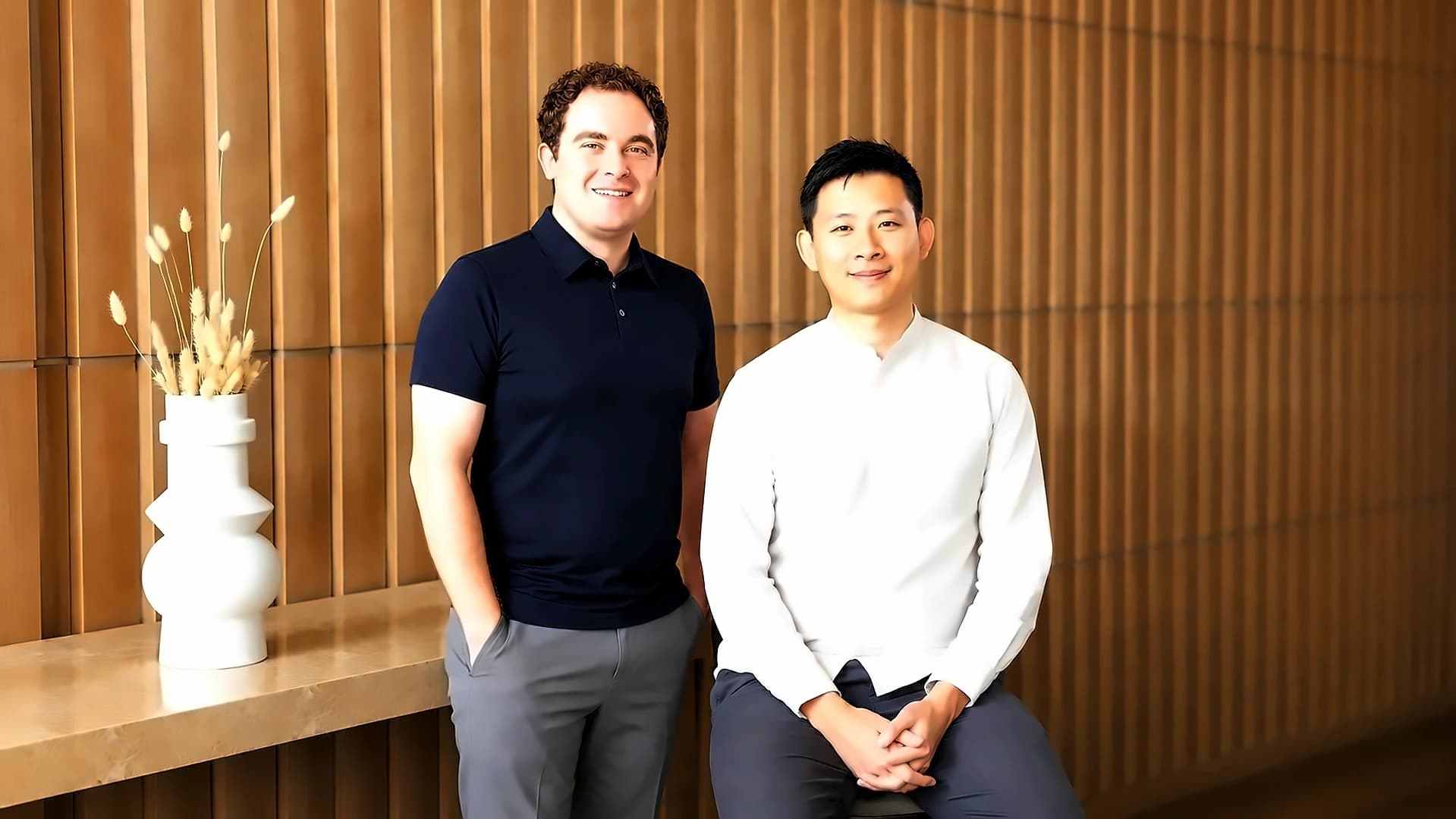
CEO and co-founder Lucas V. Schuermann expressed confidence in the future of RWA perpetuals, stating to CoinDesk that "We believe RWA perpetuals will soon be the biggest contract class in decentralized finance (DeFi), bigger than bitcoin and ether combined." The company has processed more than $200 billion in trading volume since its inception in 2025, positioning it as a significant player in the derivatives market. Variational aims to bridge traditional finance and blockchain infrastructure by aggregating liquidity directly from established financial markets rather than relying on isolated crypto-native order books. The platform's strategy focuses on improving liquidity efficiency across decentralized trading markets by sourcing liquidity from both traditional and blockchain-based ecosystems.
According to DeFiLlama data, the platform's open interest recently stood around the $800 million mark, demonstrating strong market traction. Market reports detail that the firm has processed a cumulative transaction volume exceeding $200 billion through more than 50,000 active user accounts. Variational's protocol architecture is based on a Request for Quote (RFQ) mechanism rather than traditional centralized order books, with operations channeled through a unique counterparty called the Omni Liquidity Provider (OLP). This structural design connects traditional finance distributors directly with the blockchain environment, differentiating it from competing exchange infrastructures that depend on internal liquidity accumulation. The company's RFQ model allows professional dealers to compete for best prices while referencing existing venues like the CME and NYSE to set quotes, with all settlement occurring in stablecoins through smart contracts.
The funding will enable Variational to build the infrastructure needed to route liquidity directly from traditional markets within the coming months. As reported by CoinDesk, the company's model is uniquely designed to aggregate and route liquidity from traditional and onchain markets, avoiding the need to build it from scratch on isolated marginal order books. Schuermann explained that "Our Series A secures the capital and partners we need to bring [traditional finance] TradFi-grade depth to 100 plus onchain perps by aggregating liquidity from the source, rather than rebuilding thin order books for each new listing." The company plans to use the new capital to strengthen its trading infrastructure and expand its catalog to more than 100 onchain perpetual contracts with institutional-grade liquidity depth. The architecture works by having Variational act as a brokerage where professional dealers compete to offer the best price, with all trades settling in stablecoins through smart contracts while the underlying liquidity comes entirely from traditional markets.
The firm's management projects the launch of the second phase of its real-world asset (RWA) program for mid-2026, which will involve the incorporation and direct connectivity of over 100 traditional financial markets. This expansion will provide deep liquidity for equity contracts, international currencies, and global stock indices directly on the blockchain. The roadmap envisions a progressive expansion of financial services during this year's European summer period, with investor projections indicating that utilizing the crypto wrapper format over traditional infrastructures could reduce volatility in non-crypto asset quotations. Developers explained that institutional market makers quote prices based on traditional venues and subsequently execute their respective risk hedges on those same external venues. The timing is particularly strategic as perpetuals remain largely unregulated in the US, with the SEC moving toward a framework for crypto-based financial products, and the Clarity Act potentially opening the door to regulated perpetuals for the first time.