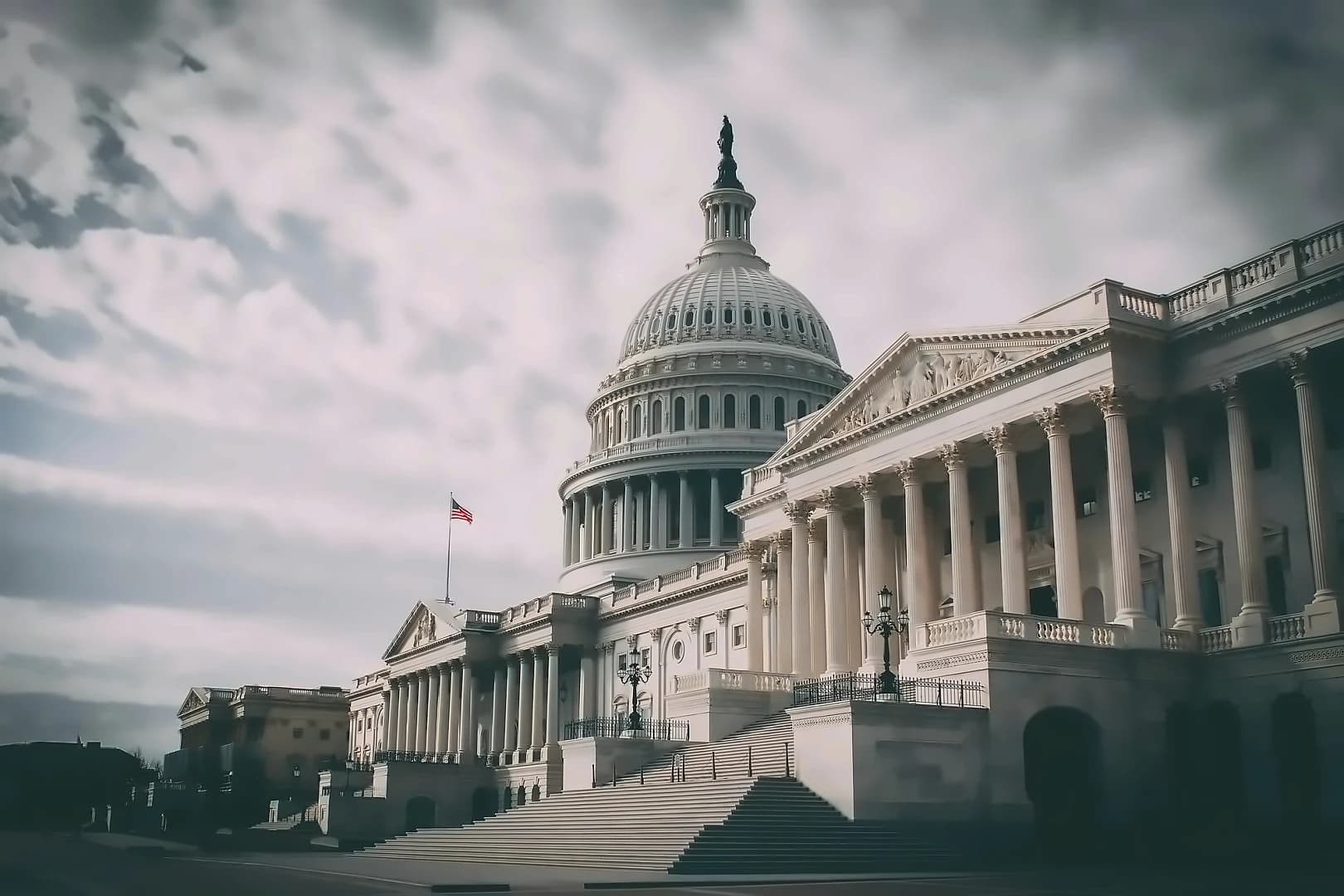
The U.S. Senate returns from recess on April 13 with the Digital Asset Market Clarity Act back on the legislative agenda after 266 days of stalling. Treasury Secretary Scott Bessent has intensified his advocacy for immediate congressional approval, emphasizing that 'Congress must pass the Clarity Act. Senate floor time is scarce, and now is the time to act.' The bill, originally introduced in 2025, received a bipartisan vote of 294-134 in the House on July 17, 2025, but has remained stalled in the Senate since then. Bessent's latest declaration represents a significant escalation in urgency, framing the legislation not just as financial policy but as a matter of national security and a cornerstone of the Trump administration's broader digital asset strategy. The first checkpoint remains whether Senate Banking schedules formal work on the bill, with timeline risk remaining real until formal scheduling appears on the Senate calendar.

The week ahead brings several critical timeline events that could influence crypto market dynamics. April 15 marks the U.S. tax filing deadline for individual income tax returns, which could put pressure on cryptocurrency holders managing their finances and add volatility to the market. Additionally, April 13 sees the comment period close for the U.S. National Credit Union Administration's proposed rule on permitted payment stablecoin issuer applications. Market participants are already positioning around policy catalysts, with Spot Bitcoin ETF Volume Tops $2.4B Today as BlackRock Leads Inflows. The $3 trillion market cap represents significant growth from previous estimates, with nearly one in six Americans now owning some type of digital asset. Recent market data shows Bitcoin hit by $20 million-an-hour selling pressure above $70,000, with the $70K–$80K zone acting as a distribution range since February.
Major bank earnings from Goldman Sachs (April 13), JPMorgan Chase (April 14), and BlackRock (April 14) could provide crucial insights into how institutional appetite for crypto-linked ventures is evolving. These earnings reports will be closely watched for signals on how traditional financial institutions are integrating digital assets into their business models. The $3 trillion market cap range adds urgency for regulatory clarity, with market participants already positioning around policy catalysts as reflected in Spot Bitcoin ETF Volume Tops $2.4B Today as BlackRock Leads Inflows. The $3 trillion market cap represents significant growth from previous estimates, with nearly one in six Americans now owning some type of digital asset.
The National Credit Union Administration's window for comments on stablecoin issuer rules closes on April 13, adding another regulatory layer to the stablecoin landscape. The CLARITY Act's legislative journey has been marked by significant obstacles, particularly a dispute over stablecoin yield provisions that blocked Senate progress. However, a compromise reached on March 20, 2026 by Senators Thom Tillis and Angela Alsobrooks resolved the core dispute by banning passive yield on stablecoins while allowing activity-based rewards. The legislation would establish a clear jurisdictional boundary between the CFTC and SEC, with the CFTC receiving exclusive jurisdiction over digital commodity spot markets while the SEC maintains authority over investment contract assets. White House economists have challenged industry concerns in a recent report, where they assessed the impact on traditional lending, finding that banning yields on stablecoins could result in an $800 million annual welfare loss for users.
President Donald Trump has also backed the legislation, warning that delays risk pushing innovation to China and other jurisdictions. He also accused banks of trying to hold the CLARITY Act 'hostage' and undercut what he described as a 'powerful Crypto Agenda.' The confrontational tone signaled a shift from persuasion to pressure, directed not at skeptical lawmakers but at crypto firms that had withdrawn support for the bill. Senator Cynthia Lummis reinforced the banking sector's potential growth opportunities, stating that under the Clarity Act, 'banks and credit unions have the opportunity to grow by adopting bitcoin, digital assets and distributed ledger technology.' SEC Chair Paul Atkins has pledged to 'provide a bridge toward this landmark legislation, ensuring clarity and certainty for innovators and investors.' The first checkpoint is whether Senate Banking schedules formal work on the bill, with timeline risk remaining real until formal scheduling appears on the Senate calendar.