According to AMBCrypto, Uniswap exchange balances recorded their largest decline of 2026 with 8.4 million UNI leaving trading platforms within 24 hours, ending weeks of relatively stable exchange flows. This represents a significant shift in token distribution, with large outflows from exchanges typically indicating investors moving assets to self-custody or DeFi applications. The timing coincides with renewed focus on UNI's fee and burn narrative, Robinhood Chain launch, tokenized asset support, and Spark's $150 million v4 liquidity migration, which could encourage longer holding periods among investors.
According to AMBCrypto, Uniswap's Total Value Locked (TVL) has surged past $80 million after a 30% weekly increase, demonstrating accelerated growth on Robinhood Chain. The protocol's expansion is now revealing a broader shift in capital deployment, with traders increasingly directing liquidity toward tokenized equities rather than concentrating around crypto-native assets alone. The NVIDIA/USDG Pool has become the largest RWA market for Uniswap V4, holding $465,300 in TVL while generating $3.5 million in daily trading volume and $10,600 in fees with an 834% APR. This liquidity expansion suggests a more self-sustaining trading ecosystem on Robinhood Chain rather than temporary capital rotation.
Following the exchange outflows, a four-year-old wallet built a new 82.891K UNI position worth roughly $305,000, completing the purchase in three transactions at an average price of $3.68. As reported by AMBCrypto, UNI had already gained 3.33% over the past week and 23.59% over the last month, indicating the accumulation was responding to strengthening market conditions rather than attempting to catch a falling asset. The timing suggests that on-chain activity presents a mixed picture for Uniswap's accumulation narrative, with both new wallet creation and unique trader growth generally slowing down, while protocol fees support over 107 million UNI burned, strengthening token economics.
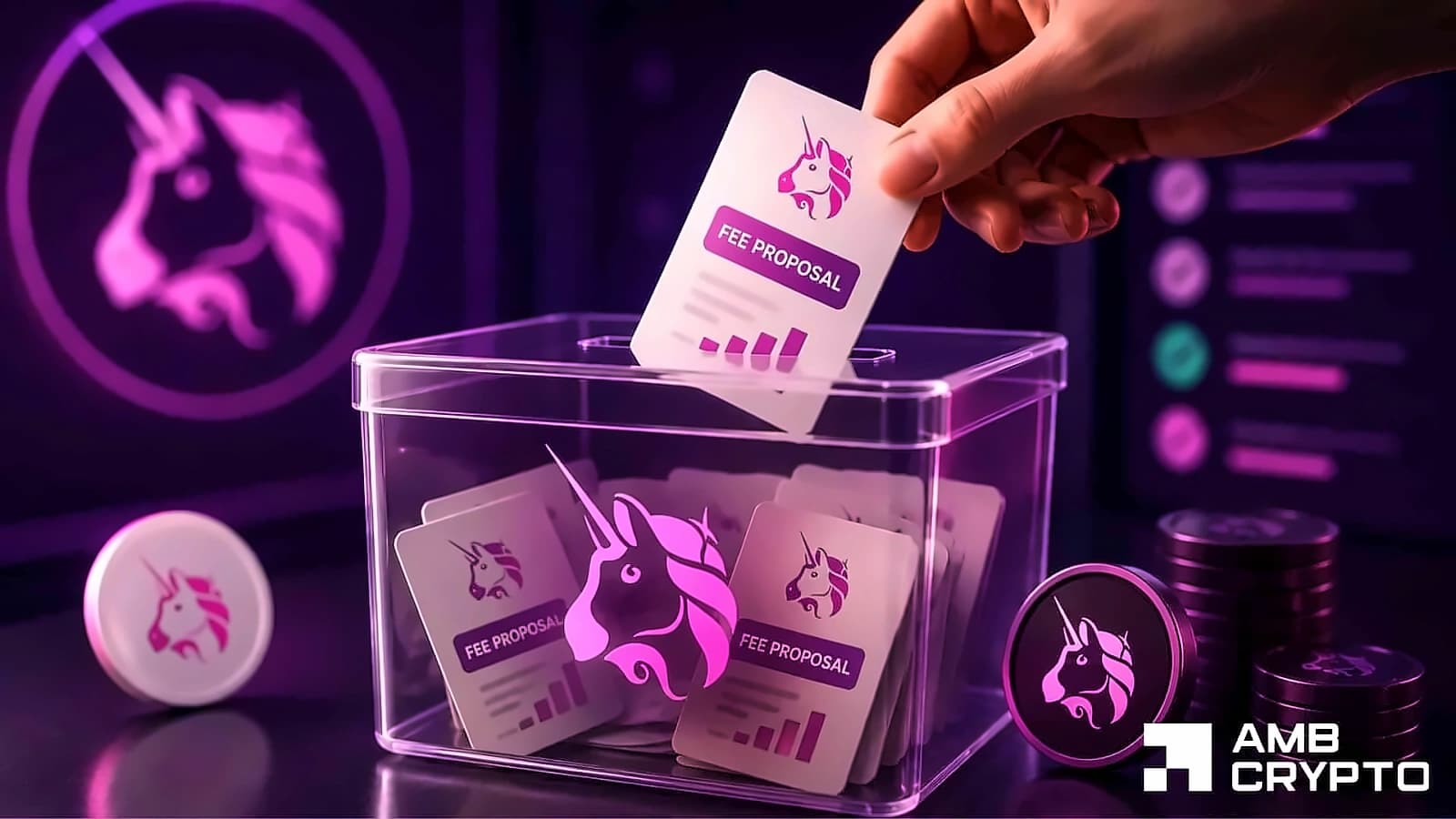
According to crypto.news, Uniswap governance will vote on two critical proposals from July 19 through July 26 to expand UNI burn capabilities. The measures follow the UNIfication overhaul approved in December 2025, which connected protocol fees to a UNI burn system. The expedited governance process was specifically created for later fee updates, allowing Uniswap to quickly capture increased trading activity across multiple networks. As reported by crypto.news, Uniswap founder Hayden Adams stated that current trading activity, especially on Robinhood Chain, could increase the amount of UNI removed from circulation significantly.
As reported by crypto.news, Robinhood Chain has quickly become a major source of Uniswap trading activity since its July 1 launch. The network reached $500 million in daily Uniswap volume within eight days and moved behind only Ethereum mainnet for daily activity at that stage. According to the proposal, Uniswap deployments on Robinhood Chain crossed $6 billion in cumulative swap volume by July 10. The chain attracted more than $70 million in bridged Ether during its first week, while total value locked moved above $106 million. Recent analysis suggests that Robinhood Chain has become one of the biggest crypto success stories of this year, with Tom Lee noting that dollar volumes have exceeded $1 billion and the chain now has more trading volume than any other DEX.
According to crypto.news, the current UNI burn rate has already surged 3x from $51K to over $160K in the past week, demonstrating the immediate impact of increased fee collection. The proposal documents record a one-day burn of 186,000 UNI last month, showing how higher fee activity can increase the number of tokens removed through the mechanism. As reported by crypto.news, Uniswap had already recorded its largest single-day UNI burn before the latest governance push. Both proposals would direct collected protocol fees into Uniswap's existing TokenJar system, where searchers can claim accumulated fee assets by providing UNI of equal value, which the system then sends to a burn address. UNI collected on other networks is bridged back to Ethereum before it is destroyed.