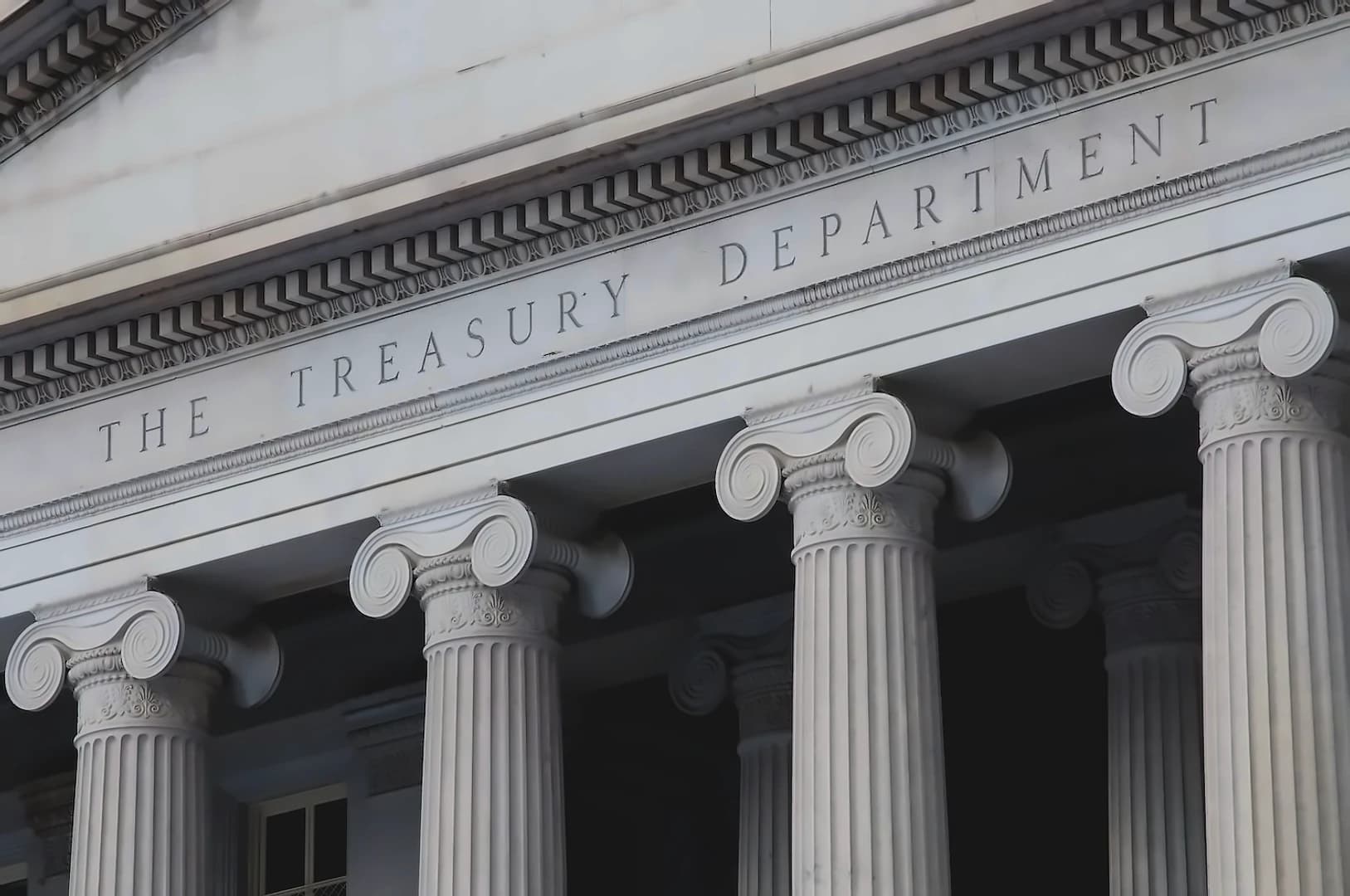
The U.S. Treasury Department has disrupted a $2 million Hamas fundraising network that moved money through cryptocurrency, according to CoinDesk reporting published October 5, 2026. The action targets a network that collected funds between 2020 and 2026, including $1.5 million after Hamas's October 7, 2023, attack on Israel. The sanctions freeze the designated parties' assets under U.S. jurisdiction and generally bar Americans from doing business with them. This represents the latest indication that U.S. authorities are focusing on cryptocurrency's role inside wider fundraising and payment networks rather than portraying it as Hamas's primary funding source.
As reported by Treasury, the network sent hundreds of thousands of dollars in cryptocurrency to al-Zaq, a Gaza-based deputy battalion commander in Hamas's Al-Qassam Brigades. The department alleged that Faouzi Barika and Amel Oualid raised funds in France for humanitarian causes, then transferred them to Hamas. Treasury officials emphasized that Hamas and other groups still rely mainly on conventional finance despite previously being levied crypto-related sanctions and seizures. The case demonstrates how terror-finance operations increasingly rely on digital assets to solicit, pool, and move money across borders, with each step leaving a record on public ledgers that enforcement agencies can trace back to named targets.
The enforcement action arrives against a relatively calm market, with Bitcoin trading at $85,931 as of October 5, 2026, up 0.8% on the day, and the broader Fear and Greed index at **68 (
As reported by Treasury, Treasury Secretary Scott Bessent stated that terrorist organizations like Hamas rely on sophisticated financial facilitators and fraudulent schemes designed to exploit the public. The action follows reports last month that the Al-Qassam Brigades advised donors to avoid sending funds directly from Binance and instead use other crypto services before moving money to a TRON wallet. The case shows how effectively enforcement now traces onchain flows to named targets and how stablecoin freezes close the exits. Enforcement actions like this one do not target card holders or retail traders, but they set the tone for stricter know-your-customer checks at exchanges, fiat off-ramps, and card programs, which narrows the space for low-verification access even for law-abiding users.