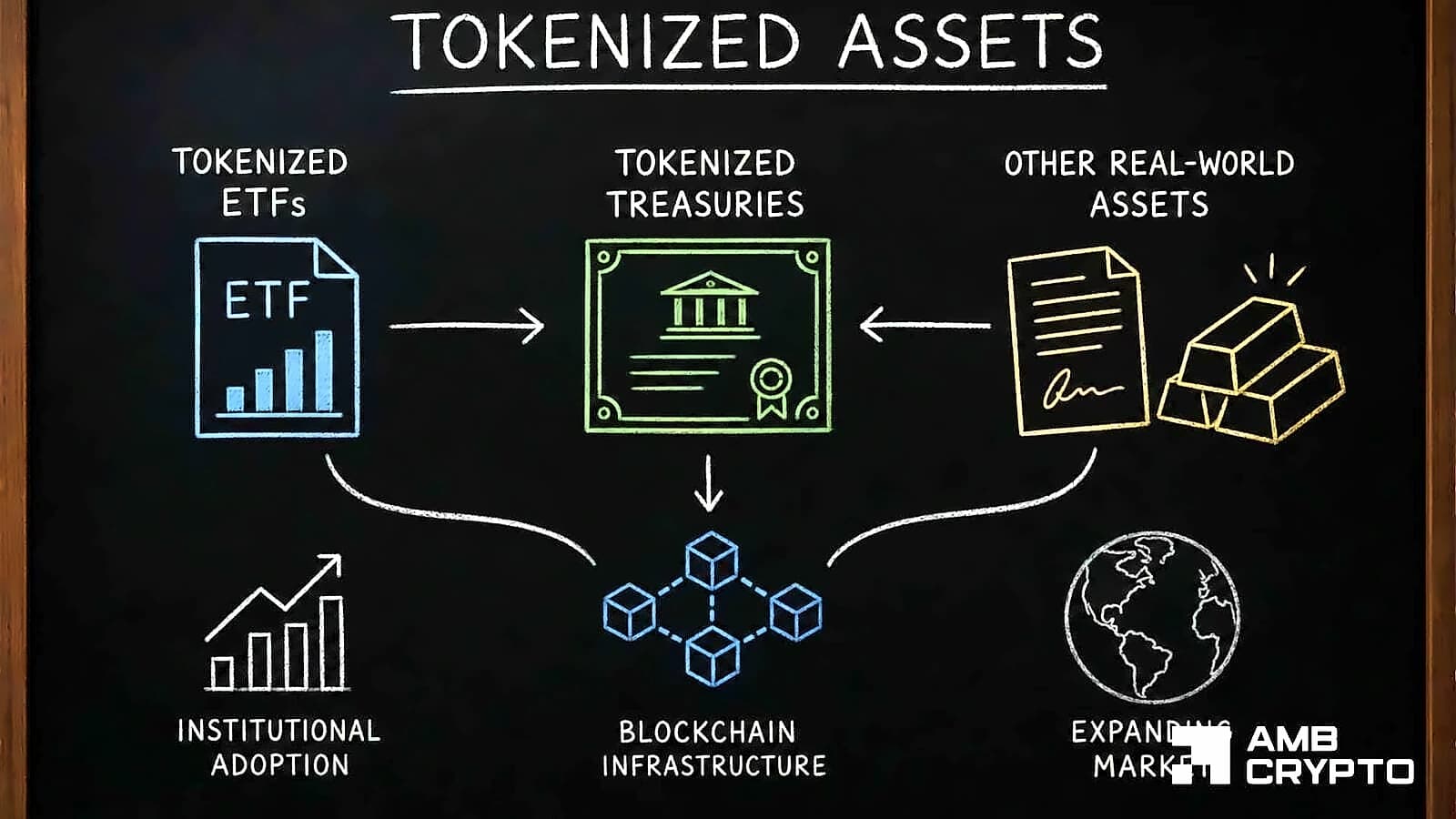
According to The Block's latest data and insights, tokenized stocks have grown from $2.23 billion to $5.5 billion since the start of the year, representing a roughly 147% increase in just six months. This dramatic growth positions tokenized equities as the fourth-largest RWA category by market cap, signaling a structural shift in how crypto-native users are seeking equity exposure. The growth trajectory reflects a broader trend as crypto users increasingly access equity markets through onchain instruments rather than traditional brokerage accounts. As reported by The Block, this signals a fundamental change in market participation patterns, with exchanges responding by embedding stock products directly into their platforms rather than ceding that flow to traditional finance.
Kraken and Bybit's decisions to offer the SpaceX IPO natively on their platforms represent a pivotal moment in tokenized equity accessibility. These exchanges are allowing their user base to access one of the most anticipated private-to-public transitions without leaving the crypto ecosystem. Binance has similarly moved in this direction, offering stock perpetual products to its non-U.S. user base, tapping into a segment of retail demand that has historically had limited or friction-heavy access to U.S. equity markets. The SpaceX case is particularly illustrative of the addressable opportunity, as pre-IPO and IPO-adjacent exposure has traditionally been gated behind institutional relationships or secondary market brokers. Tokenization lowers that barrier materially, making these previously exclusive opportunities accessible to retail investors through digital asset platforms.
According to RWA.xyz, which tracks tokenized asset activity across blockchain networks, the total distributed value of tokenized real-world assets reached almost $31 billion at press time, with a growth of 15% in the last 30 days alone. The tokenized RWA market has grown from $2 million to $486 million over 200x, while RWA perpetual contract quarterly trading volume exceeded $524.8 billion in Q1 2026. Treasuries anchor the market as the largest single category, with gold-backed tokens driving a surge in commodities. The Asian Development Bank puts the global trade finance gap at $2.5 trillion, highlighting the significant market opportunity for tokenization infrastructure. Tokenized equities, a segment that barely existed two years ago, are posting quarterly volumes that already exceed the whole of 2025.
According to recent analysis, tokenization is following the same evolutionary path as exchange-traded funds (ETFs) in the 1990s, which transformed into a $10+ trillion market. ETFs initially appeared as novel concepts, often viewed as merely convenient repackaging of traditional assets, but fundamentally changed market structures through creation/redemption mechanisms and arbitrage-driven liquidity. The economic principle behind tokenization mirrors ETFs closely, where robust tokenized assets can be minted or burned on demand against underlying assets or rights, creating similar arbitrage mechanisms that keep prices aligned with underlying holdings. Private credit does not make headlines the way Bitcoin does, but with over $14 billion now active on-chain against a traditional market worth $3 trillion, it is quietly becoming one of tokenization's most consequential use cases, delivering typically 8 to 15% annually returns.
The 24/7 trading capability addresses practical needs of global investors, as reported by the analysis. A European investor holding a tokenized U.S. bond fund could adjust positions at 8 p.m. CET on Friday rather than waiting until Monday, significantly improving accessibility for international participants. While spreads might be wider during off-hour trading, similar to currency markets on holidays, the digital asset market remains open continuously. 96% percent of Asian fund managers plan to tokenize assets within three years, with regulatory clarity building across the U.S, Europe, and Singapore. The capital entering these markets is not speculative but structural, with the only real question being whether institutions are part of the first chapter or the one that comes after. Sustained growth in this category would suggest tokenized equities are becoming a durable product line rather than a speculative footnote within the broader RWA narrative.