According to reports from 99Bitcoins, Tether is preparing to launch a 10-megawatt Bitcoin mining pilot using electricity generated from sugarcane waste in Brazil. The operation, run through Tether-backed agribusiness Adecoagro, will start with approximately 1,280 Bitcoin mining machines powered entirely by biomass energy from sugarcane processing. The pilot is scheduled to go live by July 1, 2026, representing a test phase rather than a full rollout. As reported by CoinDesk, the project is moving from concept to infrastructure with a planned renewable energy Bitcoin mining operation in Ivinhema, Brazil's Mato Grosso do Sul state.
As reported by 99Bitcoins, Adecoagro already operates more than 230 megawatts of renewable electricity generation capacity across South America, providing an established energy platform for the pilot project. The company owns approximately 210,400 hectares of farmland and produces over 3.1 million tons of agricultural products and more than 1 million MWh of renewable electricity annually. According to CoinDesk, the Ivinhema facility is designed to fit into Adecoagro's existing agricultural and energy infrastructure rather than building a separate data center from scratch. The mining operation will utilize Tether's proprietary Mining OS for site management, with the company indicating the software will be open-sourced following the July 2025 partnership announcement.
According to 99Bitcoins, Tether acquired a majority stake in Adecoagro, giving the stablecoin issuer direct exposure to physical commodities, agricultural land, and renewable energy infrastructure. The company's independent committee reviewed and approved the Bitcoin mining pilot under related-party transaction rules, with Tether CEO Paolo Ardoino pursuing a strategy to become the largest Bitcoin miner in the world, backed by a reported $2 billion already deployed in energy production and mining operations. As reported by CoinDesk, the project sits inside a broader digital asset ecosystem rather than standing alone as a local energy experiment, aligning with Tether's expansion beyond stablecoin issuance into energy, technology, and infrastructure investments.
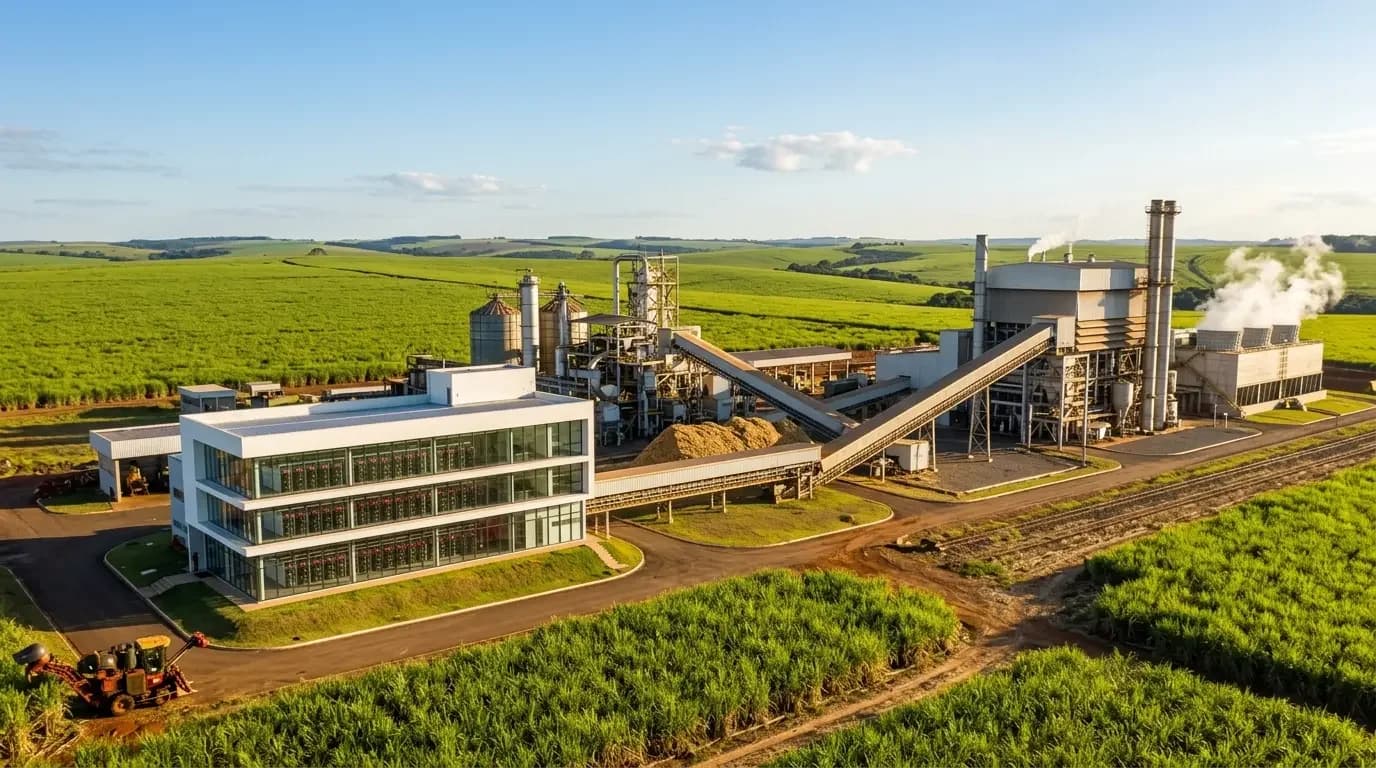
As detailed in the report, the sugarcane biomass operation utilizes bagasse - the fibrous material left behind after sugarcane is crushed to extract juice for sugar and ethanol production. Large-scale mills feed bagasse into high-efficiency boilers that generate steam, which spins turbines to produce electricity. The process often generates surplus electricity that can be sold to the grid or redirected to other uses, with Bitcoin mining serving as a flexible buyer for this surplus energy that might otherwise be curtailed or sold at low spot prices. According to CoinDesk, the first phase will rely entirely on clean energy from sugarcane to run the mining equipment, with the facility intended to validate the company's operating model and test new technology developments.
The Mato Grosso do Sul government has played an active role in supporting the Ivinhema project, helping create conditions for private investment including environmental licensing and business structuring. Governor Eduardo Riedel's administration has presented the mining initiative as part of a broader technology and innovation agenda for the state, linking industrial activity with renewable energy and digital infrastructure. As reported by CoinDesk, the state's digital push extends beyond Bitcoin, with Governor Riedel signing agreements with Google to expand digital tools in schools and announcing a georeferenced postal address system for rural properties. The project represents a sign that Brazilian regional governments are beginning to treat Bitcoin infrastructure as part of the innovation economy, with the focus on testing clean energy use and data center efficiency within an agribusiness setting rather than pursuing full commercial expansion at this stage.