Solana's blockchain gaming strategy is undergoing a fundamental transformation as reported by AMBCrypto. In March 2026, Solana Foundation President Lily Liu publicly argued that gaming on a blockchain was not coming back, even as the network's own developer resources continued promoting Web3 gaming tools. This tension reflects a broader evolution in the crypto gaming sector, where the focus is shifting from reward-based models to infrastructure-driven solutions. According to Semrush estimates, 4,400 monthly U.S. searches are conducted for 'crypto gaming', 590 for 'Web3 gaming', and 70 for 'Solana gaming', indicating sustained retail interest despite the changing landscape.
The first major wave of blockchain gaming was characterized by play-to-earn mechanics where players earned tokens through gameplay, which proved unsustainable when token prices weakened and new user acquisition slowed. As reported by AMBCrypto, this model has been rejected, but Solana's current developer material still describes a broad toolkit including wallet authentication, tokens for in-game purchases, digital collectibles, USDC micropayments, tournament rewards, and interoperable assets. The network currently advertises more than 88 live games in its ecosystem, demonstrating that blockchain functionality can exist without requiring every game to be fully on-chain.
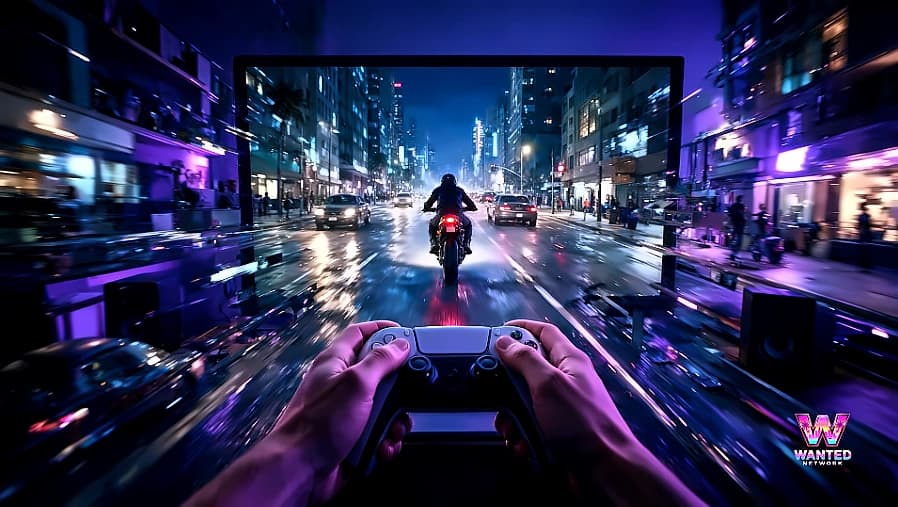
The most durable opportunity may lie outside the game client itself, according to the analysis. Games create audiences, creators, communities, tournaments, marketplaces, and media that already move significant amounts of attention and money without requiring base games to become blockchain applications. Wanted Network exemplifies this approach, being built on Solana around creator missions, bounties, and reputation systems, allowing creators to build content around gaming culture without requiring game publishers to integrate tokens. This external model makes crypto infrastructure more useful to businesses and creators while remaining less visible to players.
The debate around Solana gaming may not represent a choice between blockchain games being the future or dead, but rather the emergence of Web3 becoming infrastructure surrounding games rather than the headline feature inside them. As reported by AMBCrypto, this shift could be significant for creator economies, where gaming already produces culture, and crypto may be most useful when helping people around that culture get paid, prove participation, and coordinate economic activity without requiring games to become financial products. The focus is moving toward infrastructure that works without creating friction for players, creators, and developers.