The U.S. Senate passed a War Powers Resolution on Tuesday, voting 50-48 to rein in Trump's war with Iran. According to reports from CNN, this measure represents the first of its kind to clear both chambers of Congress, though it functions as a concurrent resolution that never reaches the president's desk. The vote followed a U.S.-Iran ceasefire reached earlier this month that reopened the Strait of Hormuz and pulled oil back from wartime highs. Four Republicans - Bill Cassidy, Susan Collins, Lisa Murkowski, and Rand Paul - joined Democrats in supporting the resolution, while only Senator John Fetterman opposed it. Vice President Vance has claimed 'successful foundation' was laid in US-Iran talks, with the Trump administration now allowing Iran to sell oil in dollars for the first time in decades. However, Israel fears Trump is strengthening Iran's hand in Lebanon through new understandings reached in Switzerland, as reported by Axios, with Israeli officials worried the new arrangements will undermine efforts to weaken Hezbollah and decrease Iran's influence in the region.

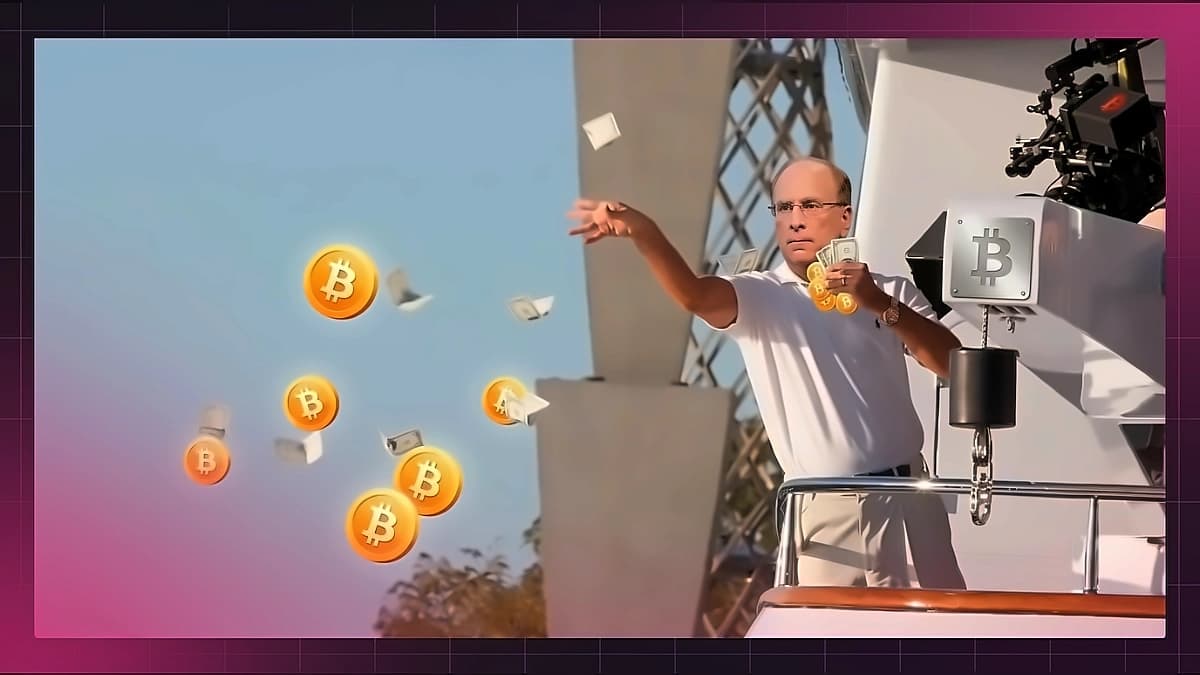
Bitcoin ETF outflows have reached record levels, with U.S. spot Bitcoin exchange-traded funds recording a deluge of net outflows from May 15 through June 3. As reported by CNN, a record 13-day run of outflows drained about $4.4 billion from U.S. spot Bitcoin exchange-traded funds through early June, representing the longest streak since the funds launched in January 2024. Bitcoin has declined 21% in the last 30 days alone, with the price now trading near $62,667 on Wednesday, down about 2.5% over 24 hours. BlackRock's IBIT, the largest fund, lost roughly $980 million in its worst week yet, with one holder dumping $1.3 billion of the iShares Bitcoin Trust in a single trade that was executed privately off public exchanges. Latest data from Galaxy Research shows mid-June US spot Bitcoin ETFs had a substantial net outflow of $6.35 billion over the course of 30 days, with weekly withdrawals dropping 87% from $1.72 billion in early June to about $226 million last week.
The Federal Reserve delivered a hawkish surprise on June 17, with newly elected Chair Kevin Warsh abandoning forward guidance and raising rate projections. The median year-end rate projection for 2026 moved from 3.4% to 3.8% in just one quarter, with nine of eighteen experts now expecting at least one hike this year. Over $2 trillion was wiped off the value of stocks, gold, silver, and cryptocurrencies in just hours following the announcement. The yield on the 2-year Treasury surged by 16 basis points, reaching 4.22%, with probabilities for a rate increase by September rising from about 30% to 70%. Fed's Goolsbee has stated that too-high inflation is 'going the wrong way', adding to hawkish sentiment. Fed Chair Warsh is set to testify before lawmakers on July 14, which could provide further clarity on monetary policy direction.
Despite the historic nature of the vote, markets treated the resolution as a formality since the U.S.-Iran ceasefire is already weeks old. As reported by CNN, the S&P 500 barely moved, just like oil, after the earlier ceasefire relief had already driven equities and crude higher. The White House dismissed the result as meaningless, with a White House official noting that concurrent resolutions do not go to the president and have no force of law. Oil prices saw modest gains following the vote, with oil futures rising on likely technical recovery and US gasoline prices tumbling for the sixth straight week. Brent crude has dropped to about $75 per barrel as a result of the ceasefire agreement between Iran and the US, which was mediated by Pakistan. Iran shipped 30 million barrels of oil in the week before the US waiver, demonstrating the significant impact of the diplomatic breakthrough.
The latest developments highlight Bitcoin's failure to act as a geopolitical hedge during the Iran crisis, contrary to its traditional safe-haven narrative. As reported by CNN, during the U.S. strikes on Iran this year, BTC slid with equities rather than rising like gold. This pattern mirrors Bitcoin's behavior during the Ukraine invasion in 2022, when BTC fell about 8% the day Russia invaded Ukraine before quickly rebounding. The current slide suggests that BTC trades on liquidity and interest rates, not geopolitics, with ETF flows potentially mattering more than any congressional vote for near-term price movements. Bitcoin does not provide yield, and its opportunity cost rises with every increase in the risk-free rate, according to the mechanical argument. Bitcoin has badly lagged this year's hottest assets, especially artificial intelligence (AI) and semiconductor stocks, with capital rotating out of the coin to chase AI hype elsewhere.