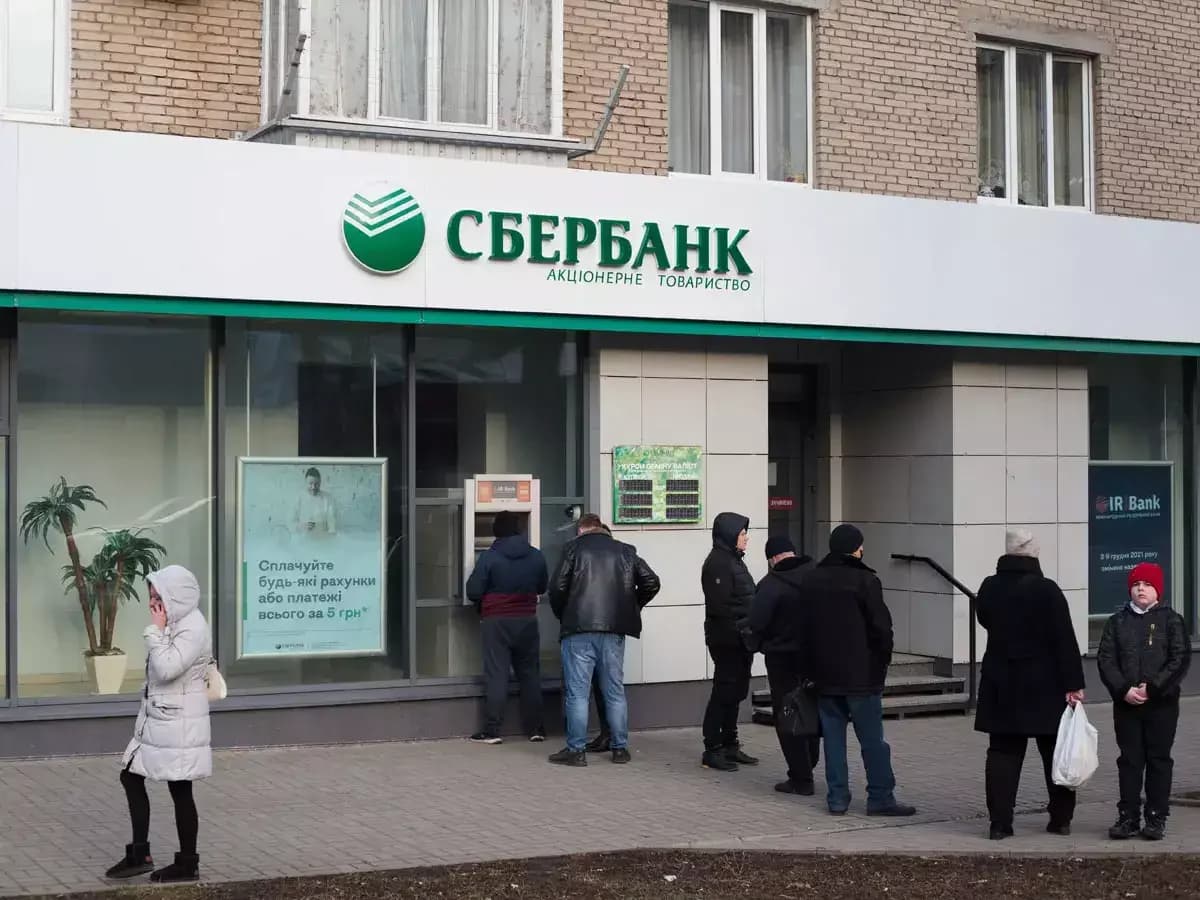
The Bank of Russia has officially registered nine organizations under its new cryptocurrency regulatory framework that took effect on September 1, 2026. The central bank registered four cryptocurrency exchange operators and five digital custodians, marking a significant step towards formalizing Russia's cryptocurrency market. The exchange operator register includes VTB Bank, T-Invest Lab, Zefir, and Sberbank, while the digital custodian register features Sberbank, Atomyze, Voltari, Cloud Infrastructure, and VTB Bank. VTB Bank stands out as the only organization included in both categories, giving it dual roles in both cryptocurrency exchange activity and digital asset custody. As per Interfax, the Bank of Russia added Sberbank to its register of cryptocurrency exchange providers, joining the digital depository register earlier this month. The latest wave of approvals comes just two months after Russia's "Digital Currencies and Digital Rights" federal law went into effect, with applications for licenses opened on October 5 and approvals granted to nine firms and banks.

Sberbank has now secured official approval to exchange cryptocurrencies, marking a significant milestone in Russia's regulated cryptocurrency market. The bank plans to open crypto trading to all clients on December 1, 2026, through interfaces customers already use including SberBank Online for retail clients, SberInvestments for investment portfolio users, and SberBusiness for companies and entrepreneurs. The bank is already testing trades in BTC, ETH, USDT and other major tokens in its app, with the central bank setting the final list of permitted coins. Speaking on the development, Sberbank stated that this status will allow the bank to provide services related to organizing the circulation of digital currency on interfaces which clients already use. The combination of exchange and depository registrations provides Sberbank with a comprehensive route to offer both trading and custody-related services, having also started working on a crypto wallet earlier this year.
Russia's regulated crypto trading framework covers trading, custody and cross-border settlements under central bank supervision. Non-qualified investors can purchase up to ₹3.5 lakh (about $3,500) of eligible cryptocurrencies annually through each intermediary, while qualified investors must complete testing but can trade without the same annual purchase ceiling. Separate lending preparations emerged in August, with deputy chairman Anatoly Popov stating the bank wanted to accept Bitcoin, Ethereum, and Tether's USDT as collateral, subject to regulatory permission. The bank completed a Bitcoin-backed loan pilot with Russian mining company Intelion in December 2025. As per AMBCrypto, analyst Layah Heilpern questioned the cap provision, noting that "the government will let you buy Bitcoin...Just not enough to actually escape their currency."
The regulatory framework introduces tighter controls over cryptocurrency operations, with domestic crypto payments remaining prohibited and crypto transactions requiring registration from July 2027. As per the central bank, registered crypto dealers can buy and sell cryptocurrencies using their own funds outside organized exchanges, while depositories record ownership and transfers. This structure effectively shuts out peer-to-peer transactions settled through Russian bank accounts. The law that took effect September 1 represents a significant shift from the central bank's 2022 proposal to ban domestic crypto exchanges and prohibit Russian financial intermediaries from handling cryptocurrencies, instead creating a regulated market involving banks, brokers, exchanges and digital depositories. Exchanges are mandated to handle crypto conversions and trading, while custody licenses allow approved firms to safekeep digital assets and track ownership.
Russia's regulatory approach differs significantly from the U.S. market, where the CLARITY Act has stalled crypto regulation and no investment caps exist. Unlike the U.S., Russia only grants unfettered access to accredited institutional investors, while retail investors face the ₹3.5 lakh annual cap. Russia ranked 16th globally for crypto adoption in 2026 according to Chainalysis, and the latest regulatory push is expected to accelerate institutional adoption. The move brings Russia closer to major U.S. banks like Bank of America and JPMorgan Chase, which now offer crypto trading support, though Russia's approach remains more restrictive for retail investors.