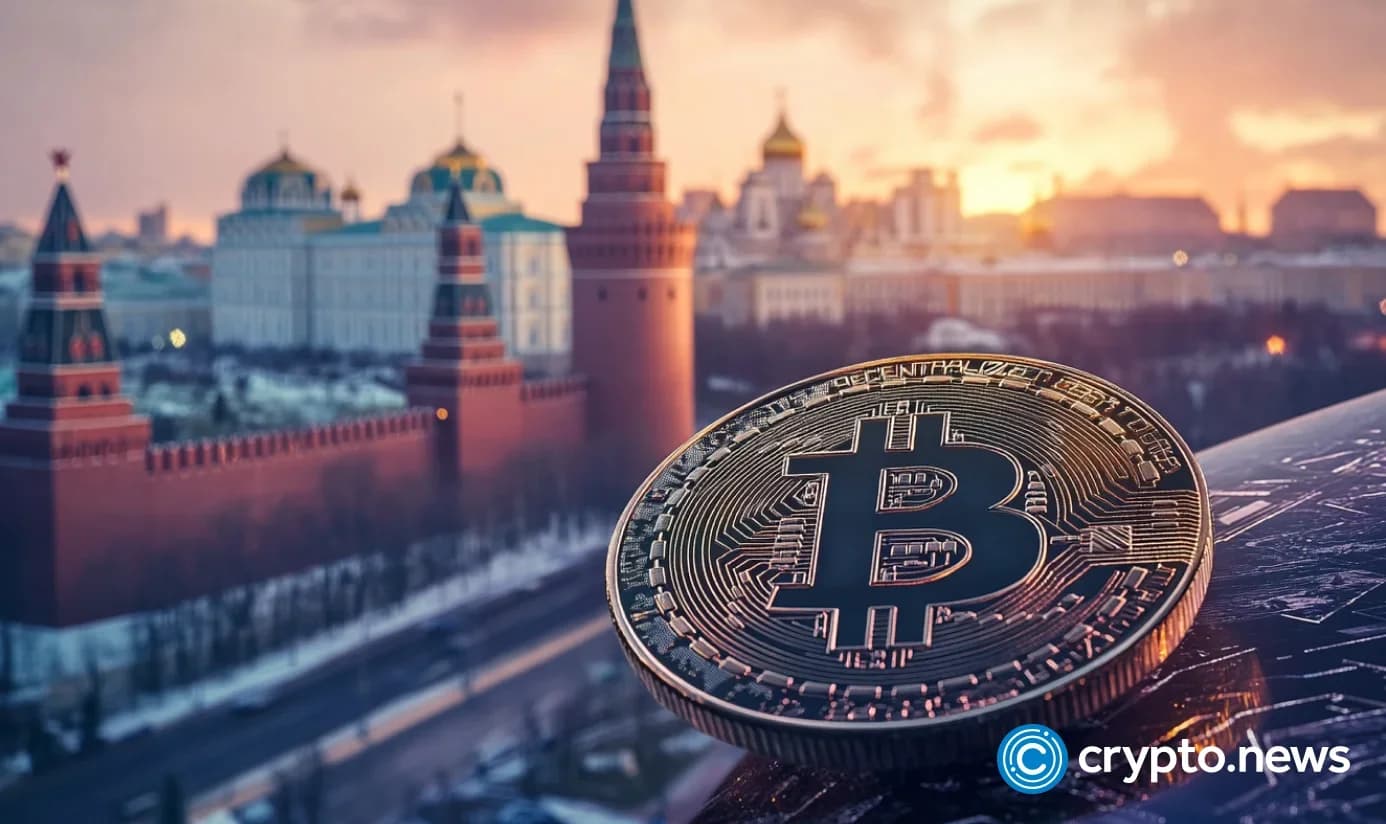
Russia has confirmed that direct peer-to-peer cryptocurrency transactions between individuals will be prohibited from July 1, 2027, requiring residents to conduct trades through authorized intermediaries. According to updated guidance published by the Bank of Russia on October 12, 2026, individuals can continue trading cryptocurrencies directly with one another until the deadline, after which such transactions will no longer be permitted under Federal Law No. 282-FZ. The central bank has clarified that individuals cannot transfer cryptocurrency from their digital accounts to their own noncustodial wallets, with transfers between individuals using addresses administered by regulated digital depositories also prohibited. The latest regulations represent a significant tightening of Russia's cryptocurrency regulatory framework aimed at channeling digital asset activity through regulated entities.
The new framework requires Russian cryptocurrency traders to use authorized intermediaries once the July 2027 deadline takes effect. As reported by crypto.news, non-qualified investors can purchase eligible cryptocurrencies worth up to ₹2.5 crore annually through each authorized intermediary, provided they pass a required knowledge test. Qualified investors must complete the test but are not subject to the same annual purchase limit. The Bank of Russia has identified Bitcoin, Ether and USDT among the assets that could meet its eligibility requirements for ordinary investors, subject to applicable trading rules. Under the current regime, existing rules already block transfers of digital assets from regulated accounts to non-custodial wallets, with the only exception covering cross-border settlements in foreign trade. The framework includes a ₹2.5 lakh annual cap for retail crypto investments, with crypto prohibited for local payments but permitted for cross-border and international trade.
Russia has begun authorizing financial institutions and cryptocurrency businesses to provide services under its new licensing framework. On October 6, 2026, the central bank registered its first crypto exchanges and digital depositories, including several established financial institutions. The initial registrations covered four exchange operators and five digital depositories. According to a report by Interfax, Sberbank secured separate approval to provide cryptocurrency exchange services on October 12, 2026, with plans to introduce its first cryptocurrency products on December 1. VTB Bank was included in both registers, while the lender plans to provide access to digital currency trading through its investment platform as early as November. Moscow Exchange senior managing director Boris Blokhin separately announced on October 8 that the venue planned to enable cryptocurrency transactions from December 1, with testing operations underway with professional market participants.
The central bank's latest guidance restricts transfers from regulated digital accounts to wallets controlled directly by individual users. Under Article 31 of Federal Law No. 282-FZ, individuals are not permitted to transfer cryptocurrency from their digital accounts into their own noncustodial wallets, citing part 9 of Article 31. However, the guidance does not expressly state that simply possessing an existing hardware or software wallet is prohibited, addressing specific transfers rather than holding cryptocurrency independently. Russian residents will retain a regulated route for cryptocurrency transactions involving foreign markets, with residents able to conduct transactions abroad using foreign bank accounts and cryptocurrency purchased domestically may be transferred overseas through regulated intermediaries. The framework also includes a cross-border trade exception, suggesting Moscow still sees a role for digital assets in settling international commerce. For U.S. participants, Treasury's Office of Foreign Assets Control states that Russia-related sanctions apply to cryptocurrency transactions as well as transfers involving traditional money.
Industry executives have questioned how authorities will enforce restrictions on direct P2P transactions and independently controlled wallets. According to previous interviews by Cointelegraph, Jan3 CEO Samson Mow argued that P2P cryptocurrency trading is more resistant to regulatory restrictions than activity conducted through centralized exchanges. Stepan Uherik from hardware wallet company SatoshiLabs pointed out that restrictions on mobile wallet applications would not necessarily prevent access through desktop software and hardware wallets. The Bank of Russia's October guidance cites Article 30 of Federal Law No. 282-FZ as the legal basis for ending direct cryptocurrency transactions between individuals on July 1, 2027. For Russian retail traders, the practical shift is significant, as anyone who has relied on direct P2P deals has until mid-2027 to decide whether to move onto licensed platforms or step away from the domestic market. The strict rules align with global trends, as Brazil, Thailand, the EU zone, and other jurisdictions are adopting similar tight P2P and self-custody transfer restrictions to address anti-money laundering, fraud, and tax evasion concerns.