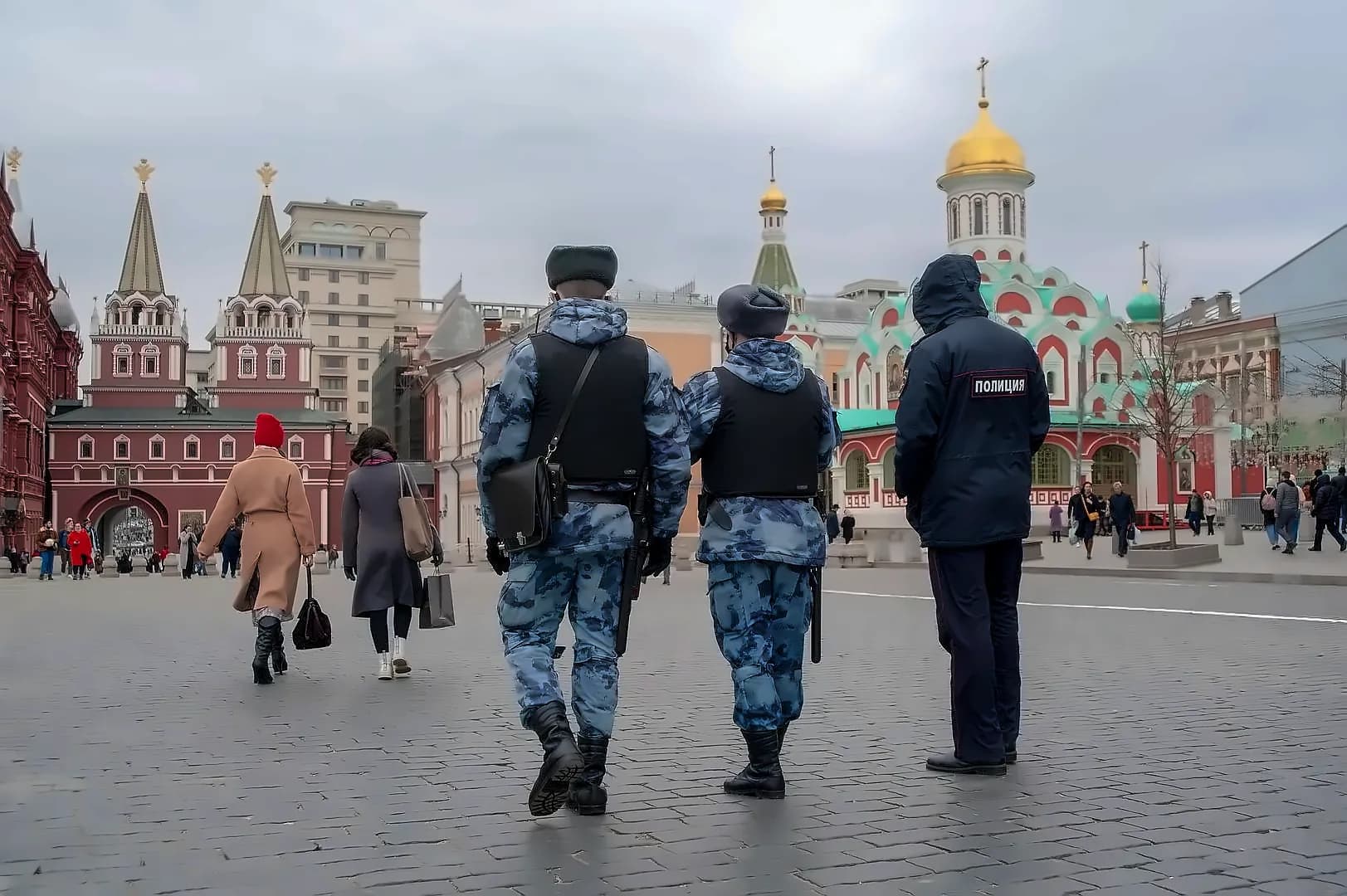
Russian authorities have shut down nine unregistered crypto exchanges in Moscow as part of a major crackdown on suspected money laundering operations. According to the Federal Security Service (FSB), the operation targeted platforms allegedly used to convert stolen funds from Russian phone scam victims into cryptocurrencies before transferring them to accounts controlled by Ukrainian handlers. The raids took place at the Moscow International Business Center, where authorities detained more than 20 employees of the exchange services. The operation was carried out jointly by the FSB and Russia's Interior Ministry, demonstrating coordinated enforcement action against illegal cryptocurrency operations.
The alleged scheme used Ukrainian call centers to target Russians, including pensioners, instructing them to buy cryptocurrency at the offices and transfer it to accounts controlled by the suspects. As reported by the FSB, victims remained in continuous contact with scam call centers, followed detailed instructions from fraudsters and did not realize the nature of the transactions they were carrying out. The security agency stated that the ring relied on call centers in Ukraine that targeted Russians remotely, including pensioners, with the alleged criminals controlling the accounts into which victims transferred their cryptocurrency. Alongside exchange employees, authorities detained accomplices between 18 and 25 years old who worked as couriers, collecting cash from defrauded individuals and delivering it to crypto exchange points for conversion before funds were allegedly sent abroad.
The FSB did not identify the specific crypto exchanges or cryptocurrencies involved in the scams, nor did it disclose the total amount of money stolen from Russian victims. However, the agency alleged that the exchanges converted money stolen through phone scams into cryptocurrency and sent it to accounts controlled by Ukrainian coordinators. Russia's Interior Ministry has opened criminal cases under Part 4 of Article 159 of the Criminal Code, covering fraud on an especially large scale. Exchange employees and couriers are being investigated as alleged accomplices and could face prison terms of up to 10 years if convicted. Officials said they are continuing to identify additional victims, verify witness statements and determine whether financial losses can be recovered.
The enforcement action comes less than a week after President Vladimir Putin signed Russia's new digital asset law, which establishes a regulated framework for cryptocurrency exchanges, brokers, custodians and other market participants beginning September 1, 2025. Under the legislation, crypto exchange providers must join a government registry and maintain minimum capital requirements before offering services under the new legal regime. Existing exchange businesses have a transition period before registration requirements become mandatory, although the FSB identified the businesses targeted in the latest operation as unregistered exchange points allegedly involved in criminal activity. The legislation also limits retail cryptocurrency purchases, introduces mandatory suitability testing for investors and continues Russia's ban on using cryptocurrency to pay for ordinary goods and services inside the country.
The latest raids follow several recent government measures affecting the cryptocurrency industry. Earlier this month, Prime Minister Mikhail Mishustin approved an expansion of Russia's regional cryptocurrency mining restrictions, extending a long-term mining ban to Moscow, the Moscow Region and parts of Kursk from August 15 through the end of 2032. Separate survey findings published this week by Rambler&Co indicated that many Russians remain unfamiliar with digital assets despite the approaching launch of the regulated market. According to the survey, 69% of respondents said they could not identify a practical reason to use cryptocurrency, while more than half reported knowing little about how cryptocurrencies work. Respondents also identified clear regulations, licensed platforms and reliable information as priorities before using digital assets.