According to Ripple, the company has launched Delta One, a new service offering institutional investors total return swaps linked to US equities, indexes and digital assets through its multi-asset prime brokerage platform. The service allows clients to use a single counterparty and cross margin supported exposures across Ripple Prime's multi-asset brokerage platform, with operations running around the clock to manage collateral and exposures across traditional and digital markets through one relationship. As reported by Ripple Prime President Noel Kimmel, the launch represents an important development for the platform, extending Ripple Prime's existing business that covers foreign exchange, derivatives, fixed income and digital assets into swaps linked to US equities and indexes. XRP is not stated as a requirement for using the new service, positioning Ripple to compete directly with Wall Street banks like Goldman Sachs and JPMorgan in the Delta One market.
According to reports from 99Bitcoins, Ripple Prime successfully closed an upsized $275 million private placement of senior unsecured notes, with Piper Sandler acting as lead placement agent. The notes carry a BBB rating based on expected parental support, not a documented pledge of escrowed XRP. This investment-grade debt issuance represents a significant financing milestone for the company's institutional finance expansion, with proceeds designated for working capital and general corporate purposes within the regulated entity, including investment in technology and personnel supporting the brokerage operation.
As reported by KBRA, the BBB issuer and senior unsecured debt ratings carry no notching down from each other, reflecting the agency's view that recovery prospects for noteholders track the issuer rating. According to KBRA's published rationale, the alignment between the holding company and operating company ratings reflects expected parental support, and if regulatory or liquidity constraints ever limited dividends flowing up from the regulated broker-dealer, Ripple would likely step in given the strategic importance of the business and the capital already invested.
The notes offering is part of a broader Ripple institutional finance push that accelerated after the company's roughly $1.25 billion acquisition of prime broker Hidden Road, rebranded as Ripple Prime. According to KBRA's analysis, the capital injection references approximately $500 million in capital injections from Ripple into the brokerage following that deal. The expansion includes the firm's growth into exchange-traded derivatives, fixed income repo, and other institutional financing lines that now generate profitability at meaningful scale. Recent developments show continued institutional adoption, with Goldman Sachs holding $86.5 million in XRP ETF positions across five different issuers as of Q2, and the Bitwise XRP ETF reaching $443.46 million in net assets. Ripple Prime currently provides services across digital assets, foreign exchange, precious metals, exchange-traded derivatives, over-the-counter swaps and fixed income repo markets, clearing more than $3 trillion annually across markets and serving more than 300 institutional customers.
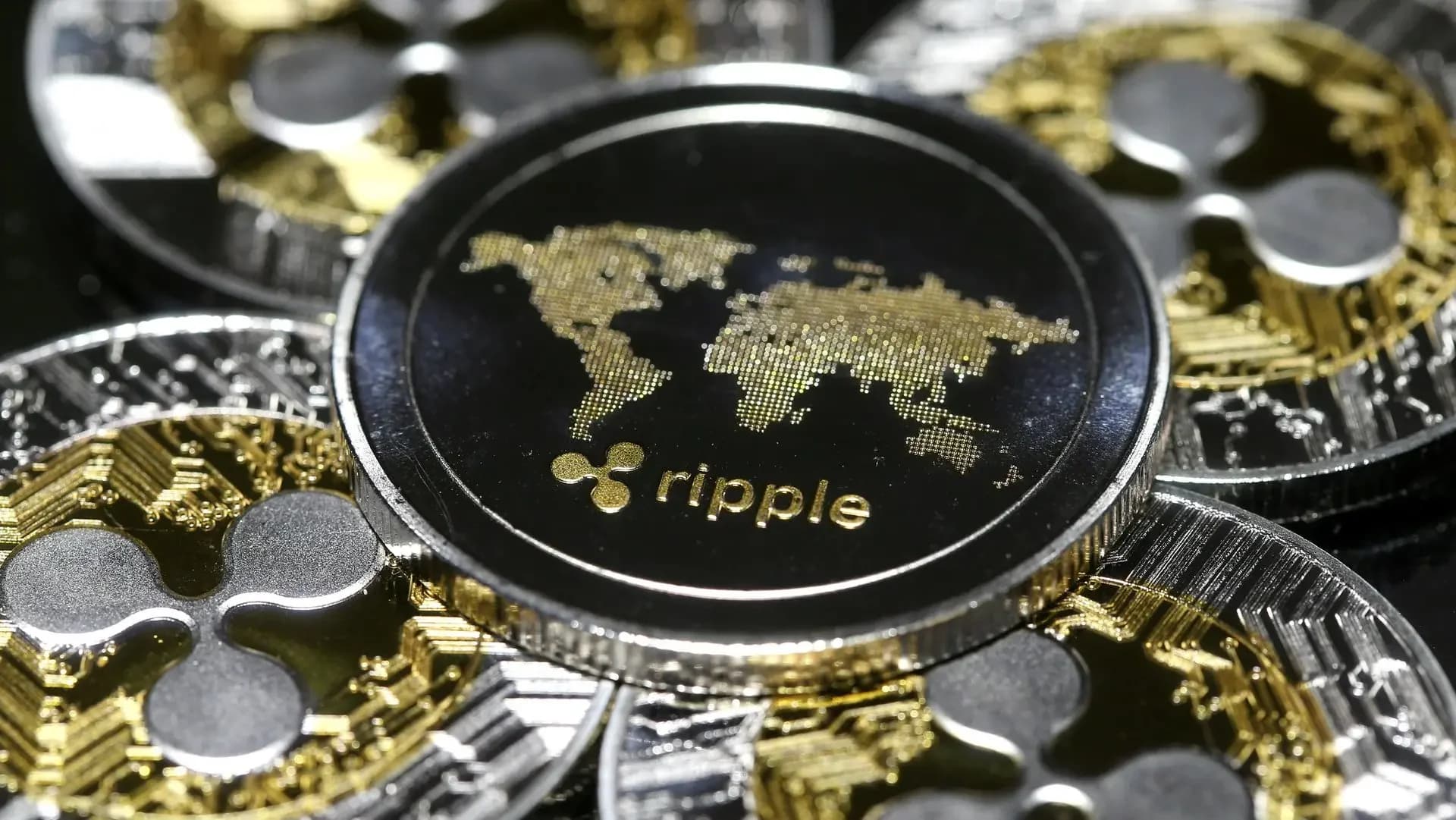
Despite the positive financing developments and new service launches, XRP experienced significant volatility this week, swinging 52% up then 37% down amid the $275 million debt deal and renewed ETF inflows. A Saturday flash crash triggered nearly $500 million in long liquidations, with the token's recovery attributed to resurgent ETF inflows that had stalled dramatically earlier in August. The recovery from mid-August lows has been supported by $39.78 million in ETF inflows over four trading days, including a single-day inflow of $18 million on August 21 — the largest daily figure in two months. Market attention now focuses on the September 15 Senate vote on the Digital Asset Market Clarity Act, which needs 60 votes to advance and could deliver the regulatory clarity that the token's rally has been priced for.