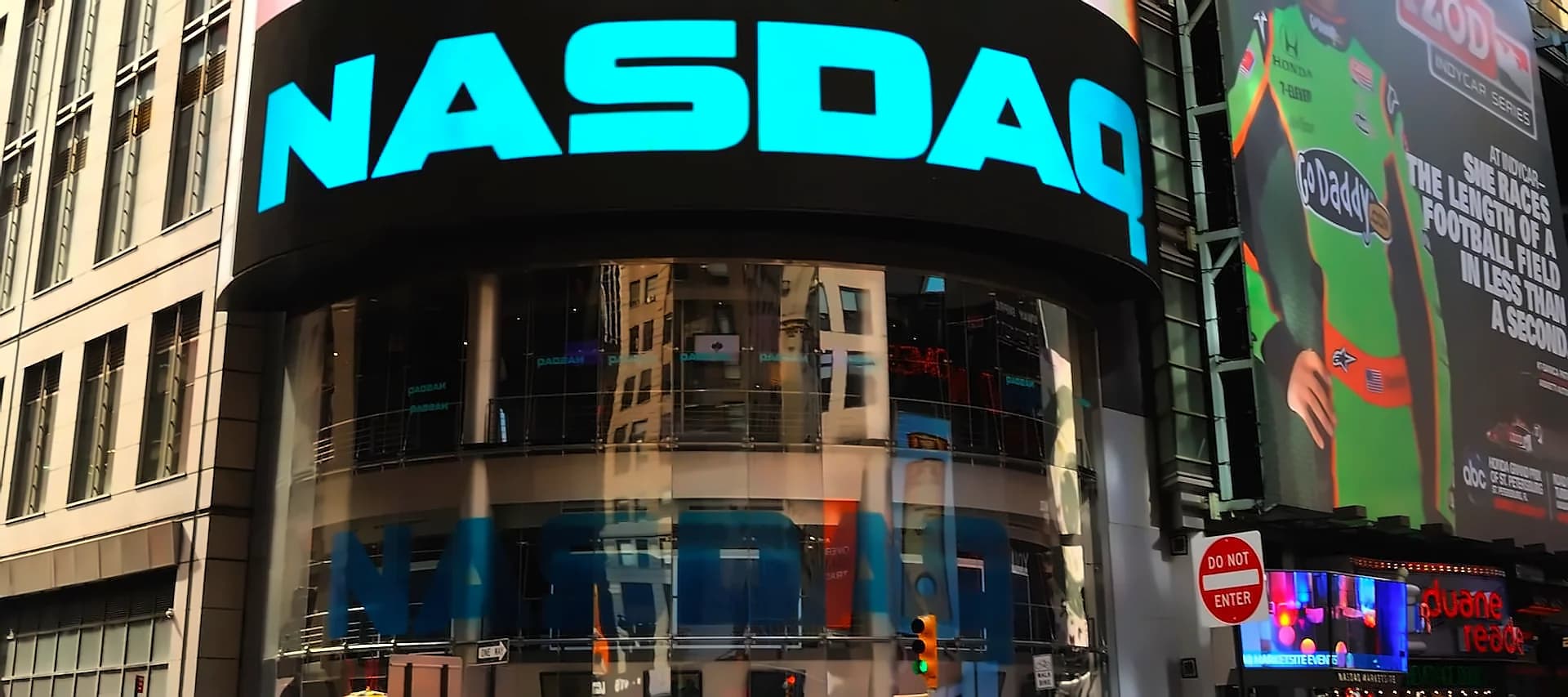
The U.S. Securities and Exchange Commission has granted Nasdaq PHLX conditional approval to list cash-settled, European-style Bitcoin index options under the ticker QBTC. According to reports from Nasdaq, these options will track the CME CF Bitcoin Real Time Index (BRTT) and are currently pending CFTC approval. The new product represents a significant step toward democratizing cryptocurrency risk management through a major U.S. exchange platform. David Barrett, who leads U.S. options operations at Nasdaq, characterized the authorization as "an important step in expanding regulated, transparent access to digital asset derivatives."
QBTC options will be settled in U.S. dollars, meaning no actual bitcoin is delivered or received at expiration. As reported by Nasdaq, the exchange will credit or debit the cash difference between the strike price and final index value. The most significant advantage is that QBTC options will trade on the same Nasdaq platform as major stocks, allowing investors to execute hedging strategies and bitcoin volatility bets directly through existing brokerage accounts without requiring separate futures or derivatives accounts. This contrasts with CME's Bitcoin options, which have been available since 2020 but require dedicated derivatives accounts. Trading will occur under ticker symbol QBTC on the Phlx platform, with price movements incrementing by $0.01 minimum and position caps at 24,000 contracts per account side - approximately 0.12% of Bitcoin's circulating supply according to SEC calculations.
Each Nasdaq QBTC option contract delivers exposure equivalent to exactly 1 BTC, using a 1/100th index scaling factor with a standard $100 multiplier. According to Nasdaq reports, this much smaller contract size opens the door for precise hedging by smaller institutional managers and more affordable volatility trading for retail participants. By comparison, CME's standard Bitcoin option is sized at 5 BTC, often representing hundreds of thousands of dollars in notional exposure, making the new product significantly more accessible to a broader range of investors. These products feature European-style characteristics, restricting exercise to the expiration date only and settlement based on the variance between Bitcoin's market price and the predetermined strike price at maturity.
The regulatory developments coincide with the American Reserve Modernization Act of 2026, championed by freshman Rep. Matt Van Epps, which formally incorporates Bitcoin into the United States' national reserve strategy. This law codifies a previous executive order from the Trump administration, making Bitcoin a permanent part of the reserve rather than a temporary experiment. The move reflects a strategic push to modernize U.S. financial policy amid global digitalization, though details on implementation and regulatory guidance are still pending. The act currently focuses solely on Bitcoin, leaving questions about other cryptocurrencies open for future debate. This legislative framework provides additional institutional backing for Nasdaq's Bitcoin options launch, as it establishes Bitcoin as a recognized financial asset within the U.S. monetary system.
Despite obtaining SEC clearance, these contracts cannot launch immediately due to Bitcoin's designation as a commodity placing it under CFTC oversight. Nasdaq must obtain exemptive relief from the commodity regulator before initiating trading. The SEC responded to CME Group's concerns about exclusive CFTC jurisdiction by referencing the Dodd-Frank legislation and citing precedents of concurrent jurisdiction, including mixed swaps and security futures. This authorization arrives amid a notable policy shift at the SEC under Paul Atkins' chairmanship, with the agency discontinuing multiple enforcement proceedings against cryptocurrency companies initiated by prior leadership. During a May 8 address, Atkins cautioned against regulatory approaches that drive cryptocurrency activity to foreign jurisdictions, citing FTX's 2022 collapse as evidence of risks when U.S. participants resort to unregulated international platforms.