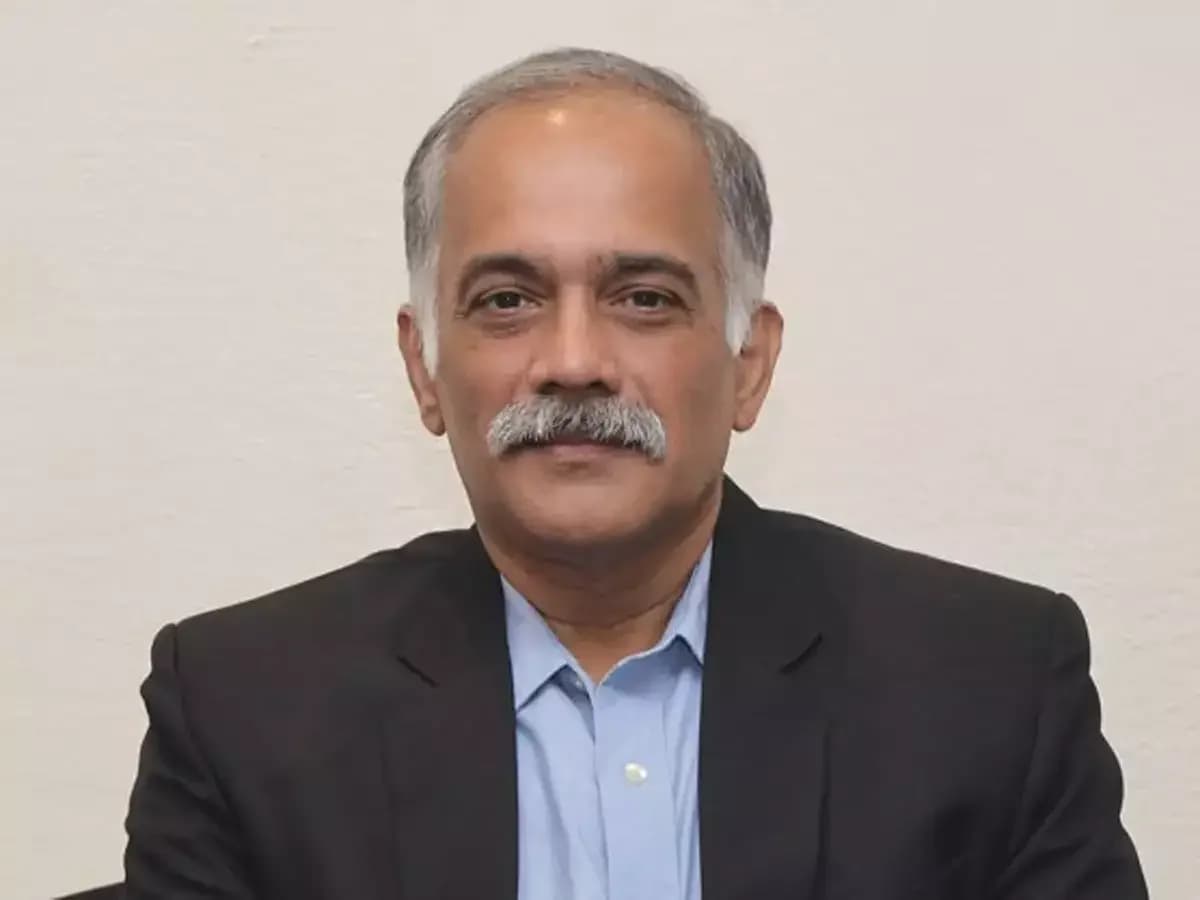

According to reports from CoinDesk, Nakamoto Inc. (NAKA) has defended why a Bitcoin treasury company maintains a Chief Medical Officer on payroll. The role has become a symbol of what skeptics call Digital Asset Treasury (DAT) excess, particularly given the company's current financial challenges. CEO David Bailey explained that the medical position exists due to the company's reverse merger origin, stating that maintaining an operating business is a Nasdaq listing requirement.
As reported by CoinDesk, NAKA faces significant financial challenges with a 99% share collapse and approximately $200 million debt load. The company reported a $238 million net loss in Q1 2026, while operating revenue was only $2.3 million. Despite these losses, insiders received $7.3 million in compensation, highlighting the disconnect between operational performance and executive compensation.
According to CoinDesk, NAKA began as KindlyMD, a Utah-based pain management provider that listed on Nasdaq before merging with Bailey's private Nakamoto Holdings in 2025. Tim Pickett, who founded KindlyMD, remained as Chief Medical Officer to run the legacy healthcare subsidiary. The healthcare arm generates the bulk of Nakamoto's modest recurring revenue and helps the company avoid shell-company classification, making it one of several medical firms rebranded into crypto vehicles in 2025.
As reported by CoinDesk, the company acquired BTC Inc. and UTXO Management from Bailey and CIO Tyler Evans, which diluted public holders by 58% in one quarter. Shareholders later authorized a 1-for-40 reverse stock split to restore Nasdaq's $1 minimum bid compliance, taking effect May 22 and lifting NAKA from around $0.16 to roughly $6. The split compressed 696 million outstanding shares into 17.4 million shares.
According to CoinDesk, the first insider lock-up tranche releases August 20, and the Q2 10-Q lands the same month. Both events will test whether Bitcoin 2026 conference revenue can justify the goodwill from the BTC Inc. acquisition. Investors are focused on the operating line rather than the 5,058 BTC headline holdings, as the next two quarters will be critical for demonstrating the company's operational viability beyond its treasury holdings.