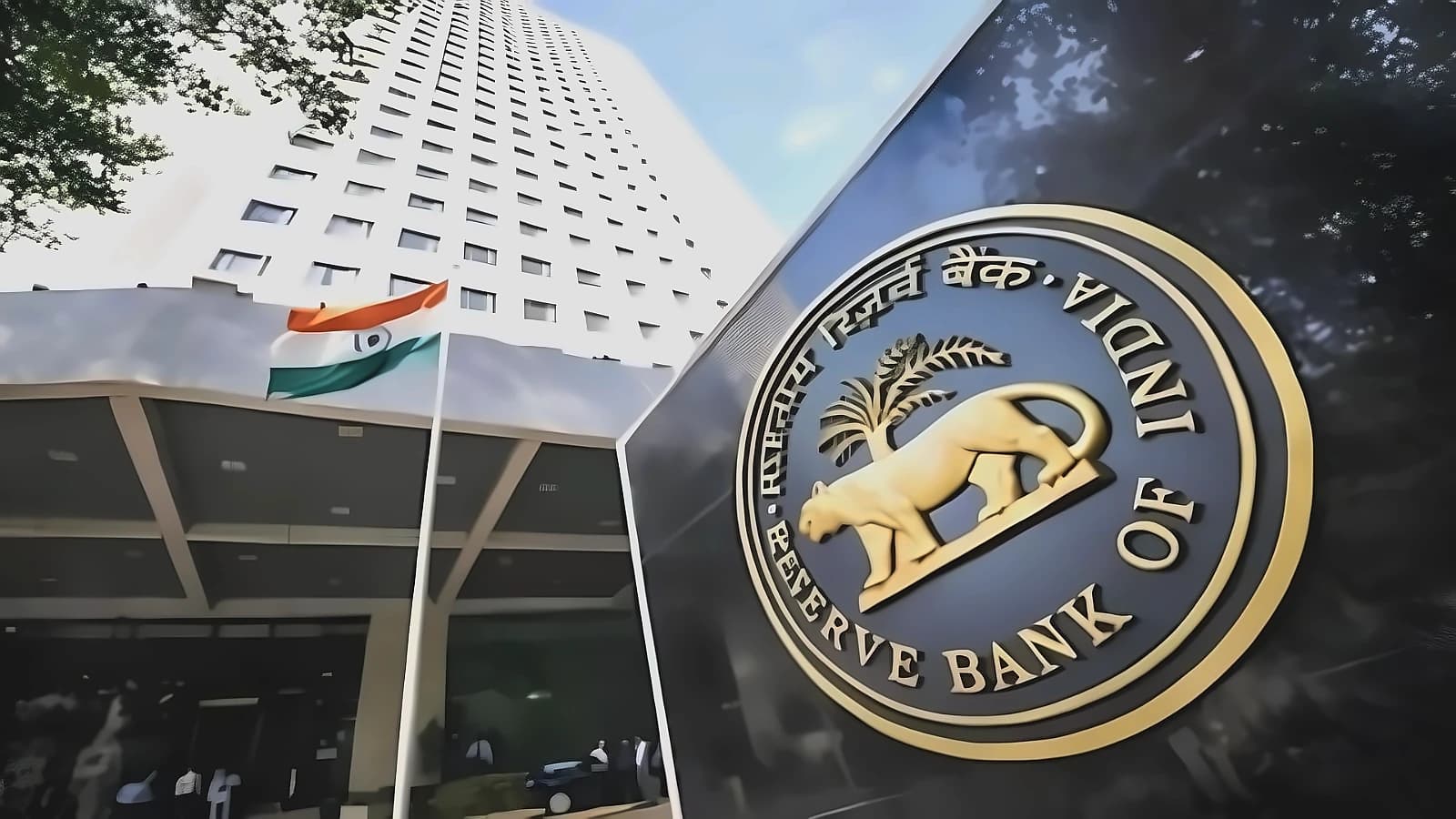
The Parliamentary Standing Committee on Finance is scheduled to hold consultations with officials from the Reserve Bank of India (RBI) on July 2 in the national capital on the future regulatory framework for cryptocurrencies. According to an official notification, the committee will be deliberating on the 'oral evidence' of the representatives of the Reserve Bank of India (RBI) on the subject, 'A Study on Virtual Digital Assets (VDAs) and Way Forward'. Following its interaction with the central bank, the panel will also meet representatives of the Institute of Chartered Accountants of India (ICAI) to discuss issues related to cryptocurrency taxation, accounting practices and the broader regulatory landscape. The committee has been actively engaging with stakeholders from the crypto ecosystem, earlier this year meeting representatives of domestic and international cryptocurrency exchanges operating in India to gather feedback on regulatory challenges, taxation and the future of the VDA industry.
Both the Finance Ministry and the RBI have been maintaining a cautious approach to digital currencies as they carry a high risk of money laundering and terror financing with the potential of destabilising the economy. In November 2025, RBI governor Sanjay Malhotra had stated, 'Stablecoins, cryptos, they have a huge risk, and so we are adopting a very cautious approach towards it.' The standing committee had earlier met various domestic and global crypto exchanges operating in India to understand their concerns and suggestions, with the panel meeting crypto exchanges in New Delhi on May 20 to discuss scope of regulations, way ahead for VDA industry and taxation. The parliamentary panel has been actively engaging with stakeholders from the crypto ecosystem to gather feedback on regulatory challenges, taxation and the future of the VDA industry.
In India, cryptocurrencies are classified as Virtual Digital Assets (VDAs) and are subject to strict central taxation rules. The primary regulations include a flat 30 per cent tax on profits, a 1 per cent tax deducted at source (TDS). However, Finance Minister Nirmala Sitharaman has made it clear that taxing these trades does not grant them legal status. She maintains a pragmatic and cautious approach, categorizing them as taxable assets rather than legal tender. She has stressed that a legitimate currency must be issued by the central bank or the government, a criterion that cryptocurrencies do not meet. Under the current tax regime, cryptocurrencies are classified as Virtual Digital Assets and are subject to a flat 30 per cent tax on gains along with a 1 per cent Tax Deducted at Source (TDS) on specified transactions. However, the government has consistently maintained that taxation of crypto transactions does not amount to legal recognition of these digital assets.
FM Sitharaman is of the strong view that regulation cannot be handled by a single country and requires a unified global approach to prevent money laundering, drug trafficking, and terrorist financing. According to a senior official, while the parliamentary standing committee can make recommendations, these are not binding on the Government. The Finance Minister has also advocated for a coordinated international framework to regulate cryptocurrencies, arguing that global cooperation is essential to effectively combat money laundering, drug trafficking and terrorist financing linked to digital assets. Meanwhile, a senior official noted that while the Parliamentary Standing Committee can submit recommendations after its deliberations, its suggestions are advisory in nature and are not binding on the government.