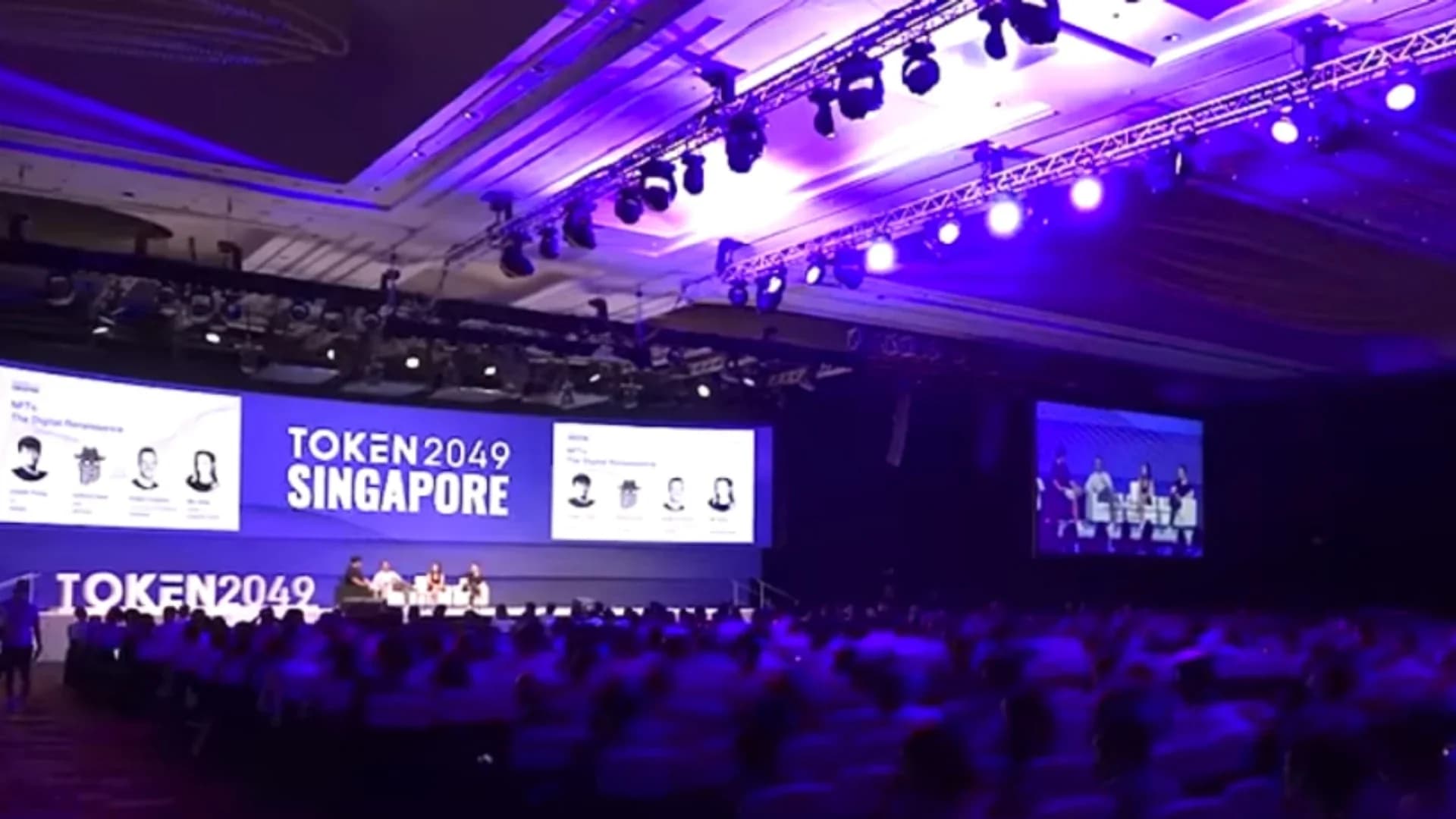
The London Metal Exchange (LME) has officially outlined its plans to tokenize metal stored in Hong Kong warehouses, with a pilot program scheduled for 2027 to support financing and open new revenue streams. LME executive Hugo Brodie detailed the initiative at the Tokenised Markets and Money Conference on October 23, 2026, emphasizing that nothing is live yet - no tokens exist, and no tokenized products have launched. The proposal would cover metal held outside the exchange's warrant system, giving traders another route to obtain funding against their inventories. LME officials confirmed that discussions were underway but described the project as exploratory, with the exchange scheduling a private industry roundtable for early November 2026 where stakeholders will examine proposed financing arrangements. The initiative is specifically tied to Hong Kong's first five-year economic blueprint published in September 2026, which sets out the goal of making the city a commodities trading and financing hub. According to Techub News, this move aims to innovate metal financing, enhance market liquidity, and reduce fraud, potentially impacting global trade dynamics.
A central part of the proposal concerns off-warrant metal, which refers to inventory held in approved warehouses without an active LME warrant. Unlike warranted metal, it lacks a standardized financing arrangement through the exchange's existing system. Under the proposed arrangement, digital tokens would represent eligible off-warrant inventory, allowing businesses to pledge those assets when seeking loans. The LME has required warehouses to report off-warrant inventories since 2020, covering commodities like copper and aluminum. Chief Executive Matt Chamberlain had previously discussed the technology during LME Week Asia in May 2026, suggesting the technology could open up new revenue sources for the exchange. The research findings note that there is no standardized mechanism for using these off-warrant inventories as collateral for loans and other financial transactions, with tokenization proposed as the fix to create digital representations that could be pledged, tracked and potentially moved between parties more easily than paper records.
Hong Kong's September policy address provides a detailed timetable for commodity-backed financing, with the government stating that Hong Kong Exchanges and Clearing (HKEX) was working toward a pilot for tokenized warehouse-receipt financing with designated banks in 2027. According to the official policy document, the pilot will use physical tracking technology to support loans secured against commodity inventories. HKEX is separately developing a blockchain-backed platform designed to handle several types of tokenized assets, with the platform already incorporating carbon credits listed on Core Climate and warehouse receipts from LME-approved facilities scheduled for inclusion in a pilot next year. The LME's stated aims include daily and free access to tokenized assets, with the exchange emphasizing that trust between buyers and sellers, along with clearly defined legal rights, will be central to any move toward tokenized assets. The research findings note that the LME is awaiting further consultations and studies before refining its strategy.
Hong Kong reported more than 60,000 square meters of warehouse space and inventories exceeding 20,000 metric tons after joining the LME's approved delivery network in January 2025, with storage capacity increasing by mid-2026. As of May 2026, LME CEO Matthew Chamberlain said approved warehouse capacity in Hong Kong had increased rapidly, with the target of more than 100,000 tonnes of storage spread across multiple operational sites holding metals including copper, aluminum, and nickel. The government's development program includes financing, storage, risk management and customs arrangements, with officials intending to encourage additional approved warehouses in the Northern Metropolis alongside proposed tax concessions for physical commodity trading. Hong Kong's commodities initiative follows China's 15th five-year plan, published in March, which explicitly supports developing the city as a major trading center for physical commodities.

Interest in using physical commodities as blockchain-based collateral has spread to lending and capital markets, with Bitfinex Securities completing a $50 million tokenized capital raise for Alkemya in August using a security linked to nickel assets independently valued at approximately $1.64 billion. Tokenized gold has entered secured lending, with Arch Lending introducing loans backed by PAXG and XAUT at loan-to-value ratios of up to 75%. The Hong Kong Gold Exchange has also integrated Chainlink technology to support cross-chain transfers of its XGZ gold token, with each token representing one gram of physical gold and eligible holders able to request physical redemption. However, the LME tokenization initiative remains in early stages, with the exchange not revealing which blockchain or platform it might use, whether the tokens would be accessible beyond institutional participants, or how they would sit within existing legal frameworks for warehouse receipts and collateral. The research findings tie the initiative to illiquidity problems in metal markets at a moment when artificial intelligence and data center buildouts are driving up appetite for industrial metals.