The first spot Litecoin ETF began trading in 2026 under the ticker LTCC, launched by Canary Capital after filing with the SEC the previous year. According to reports, this makes Litecoin one of the first altcoins to win a regulated US exchange-traded fund. Around the same time, the SEC and CFTC formally classified Litecoin as a commodity, removing one of the largest regulatory obstacles that has hung over altcoins since the start of the crypto era. This classification places Litecoin under the same legal category as Bitcoin, gold, and oil, rather than leaving it in the contested securities limbo that has clouded most altcoins.
Despite the regulatory milestone, Litecoin trades at $44, down roughly 89% from its all-time high above $400. As reported, the ETF launch did not change this trajectory in any meaningful way. The inflows into the product have been thin, far short of the demand that would re-rate the asset. The price disconnect between the regulatory validation and the lifeless chart represents the most instructive aspect of the entire altcoin ETF story, serving as a warning for the coming wave of altcoin funds. According to Boyd Group Services Inc., which announced a cash dividend of C$0.156 per common share for Q2 2026, the dividend will be paid on July 29, 2026, to shareholders recorded by June 30, 2026.
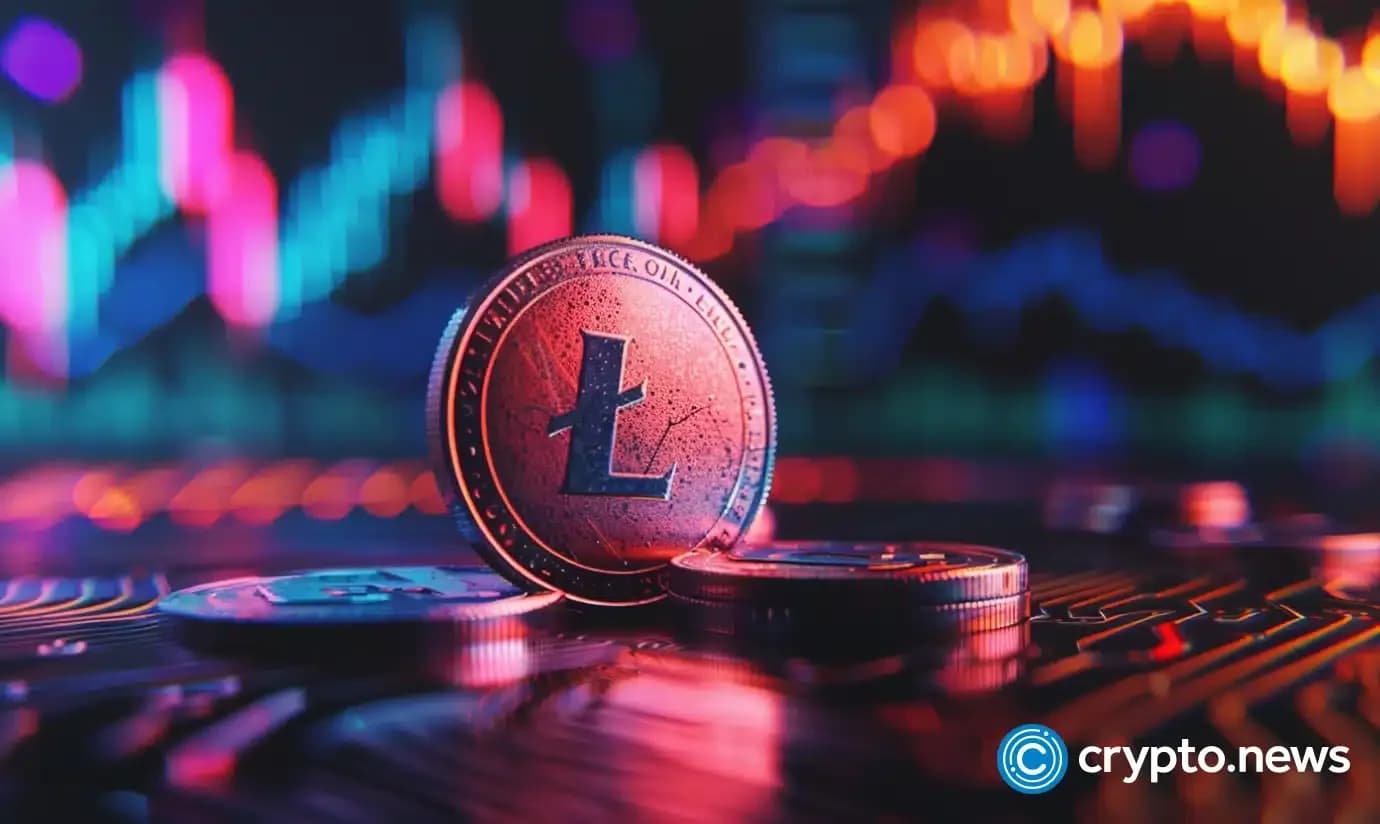
The analysis reveals that an ETF is a vessel, not a magnet - it makes an asset easy to buy but does not create the desire to buy it. According to reports, Litecoin is an old asset with a well-understood, relatively static value proposition as a payments-focused coin, and it does not carry the narrative momentum, developer ecosystem, or speculative story that pulls capital toward newer assets. The ETF gave people an easy way to buy something many of them simply did not want, demonstrating that institutional and retail appetite for Litecoin specifically is weak. This experience warns investors to separate access from actual demand when evaluating ETF impacts.
A wave of altcoin ETFs is advancing through the regulatory system, with Dogecoin seeing real progress and an exchange certifying approval for a spot product. As reported, XRP, fresh off its own commodity classification, is among the most discussed altcoin ETF candidates with strong issuer interest. Solana is widely viewed as the strongest next-wave candidate given its scale, liquidity, and ecosystem. The infrastructure that took years to build for Bitcoin and Ethereum is now being extended across the altcoin market, with the regulatory clarity flowing from commodity classifications opening access to enormous pools of capital that prefer traditional brokerage channels.
The Litecoin experience demonstrates that an ETF is necessary but not sufficient for price appreciation - it removes barriers to buying but does not supply the reason to buy. According to reports, the corrected model treats an ETF as an access mechanism whose price impact depends entirely on the demand waiting behind it. Assets with genuine narratives, ecosystems, and capital interest may see their ETFs draw meaningful flows, while mature, static assets without underlying demand may see their ETFs launch to thin demand and flat prices. For Litecoin specifically, the ETF does not change the investment case, which rests on whether the asset can rediscover relevance in a market that has moved past it.