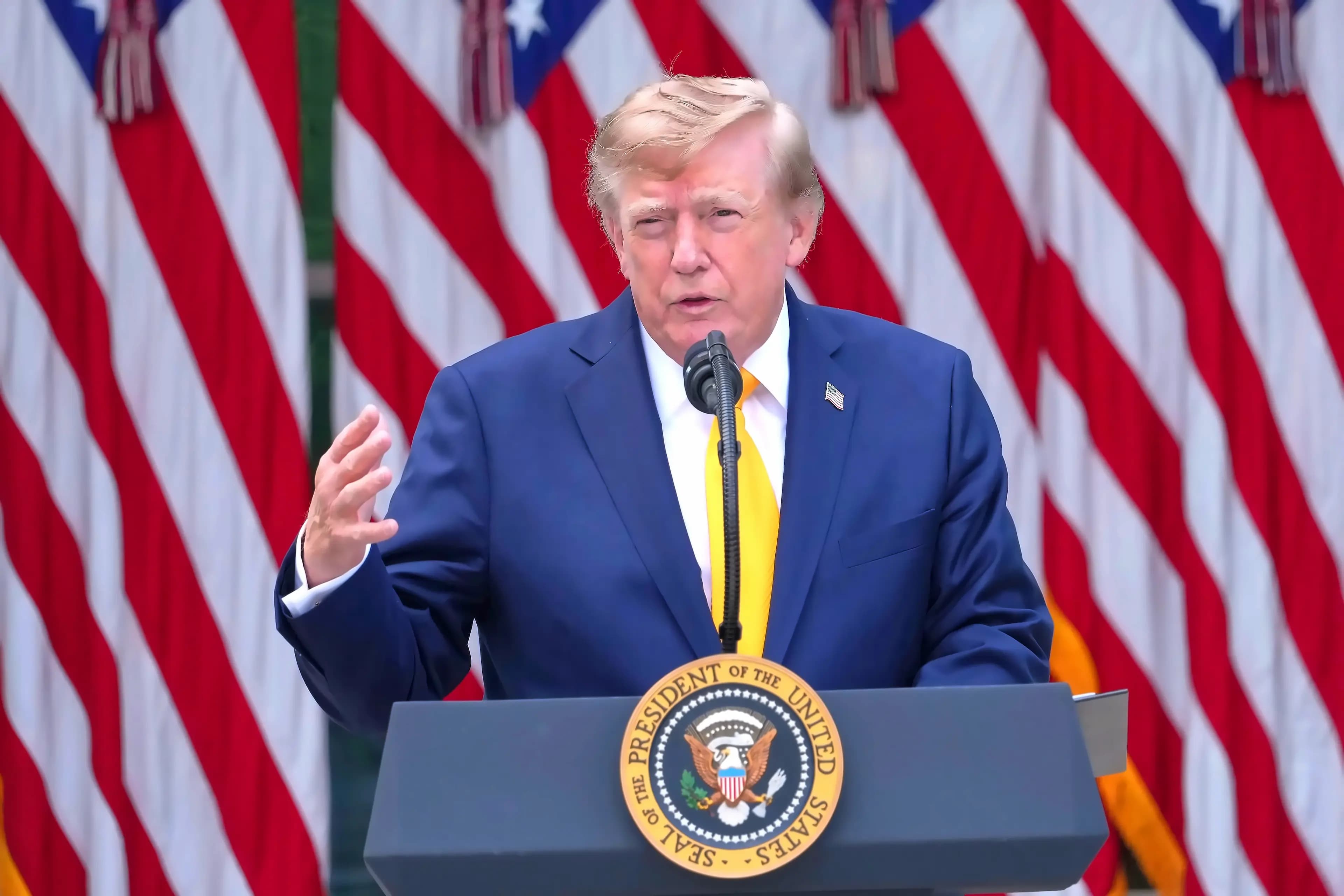
President Donald Trump has officially announced the creation of a new 'Super Intelligence Force' (SI) to oversee artificial intelligence development, with Jay Clayton confirmed as the task force leader. According to The Wall Street Journal, Clayton will lead a White House task force to assess both the benefits and risks of artificial intelligence, with a 120-day timeline to recommend the federal government's role. The president stated that the group will ensure the U.S. maintains leadership in 'superintelligence' and prioritizes American interests. A senior White House official confirmed that Trump prefers the term 'Super Intelligence Force' over the traditional AI designation, signaling a more comprehensive approach to the technology.
Trump announced last month that he was planning to create an 'AI Force' and name an AI czar as the government faces growing calls to impose guardrails on the technology's rapid development. The president gathered several AI and technology CEOs at the White House on Tuesday for a meeting that culminated in the signing of a new commitment aimed at better 'self-policing' their companies' AI models. Trump has made clear that he considers outpacing China and preserving AI-driven economic gains a higher priority than addressing growing public concerns, and previously referred to fears over AI as being a 'hoax'. The AI czar position focuses on the administration's AI Force to oversee the rapidly growing domestic artificial intelligence industry, with Trump describing it as a 'high IQ' individual to lead the effort.
Clayton, who previously served as the top federal prosecutor in Manhattan and led the Securities and Exchange Commission during the majority of Trump's first term, is expected to remain in his role as director of national intelligence while taking on the new AI portfolio. He was confirmed by the Senate in July to lead the US intelligence community, succeeding Bill Pulte, a controversial housing executive with no national security experience whom Trump installed as acting director for a 40-day tenure. During his confirmation hearing, Clayton stated that AI technology is a 'game changer' and that it's 'not only an opportunity but a threat.' He emphasized that when something is both an opportunity and a threat, you better get your arms around it. Clayton has also served on the board of private equity giant Apollo Global Management, which has devoted billions to AI and digital infrastructure projects.
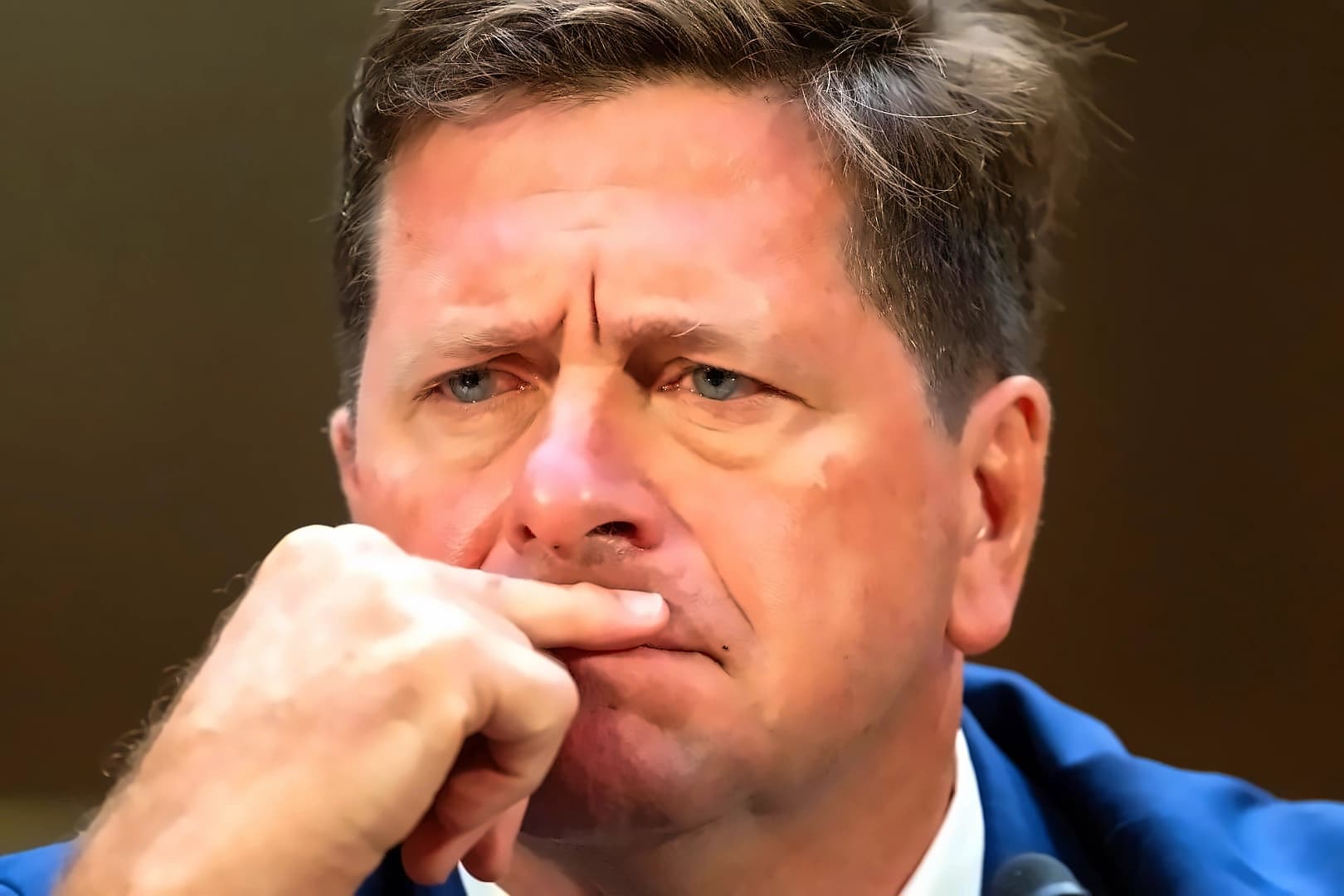
During his tenure as SEC chairman, Clayton established the agency's 'regulation-by-enforcement' approach to cryptocurrency, which became a major point of contention in the industry. According to CoinDesk, Clayton began this enforcement-focused strategy in 2017 by establishing the SEC's 'Cyber Unit' to focus on emerging digital asset sectors. His most notable action was the high-profile legal fight with Ripple Labs in 2020, where the SEC accused the company of failing to register approximately $1.3 billion of its XRP tokens as securities. By the time he left the agency in 2020, the SEC had brought 57 cases against digital assets, blockchain businesses, and initial coin offerings (ICOs).
Venture capitalist David Sacks previously served as Trump's AI and cryptocurrency czar until March 2026, when he stepped down after reaching his time limit as a special government employee. He now co-chairs the president's Council of Advisors on Science and Technology and has continued to have considerable influence on the president when it comes to AI issues. Sacks participated in a Tuesday meeting with the president and sector executives, demonstrating his continued involvement in AI policy discussions. The new AI czar position appears to have a different mandate than the previous combined crypto and AI role, with the job focusing specifically on the administration's AI Force to oversee the rapidly growing domestic artificial intelligence industry.