India's crypto investors are undergoing a fundamental transformation, moving away from speculative trading toward systematic long-term strategies. According to reports from Moneycontrol, crypto SIPs across leading Indian exchanges grew by more than 60% year-on-year in 2025, indicating a clear shift toward disciplined investment approaches. This maturation mirrors the evolution of India's equity markets, which now attract approximately ₹29,000 crores in SIPs annually. The transition is being accelerated by reduced entry barriers, with ticket sizes starting at just ₹100 per month enabling gradual exposure building through rupee-cost averaging.
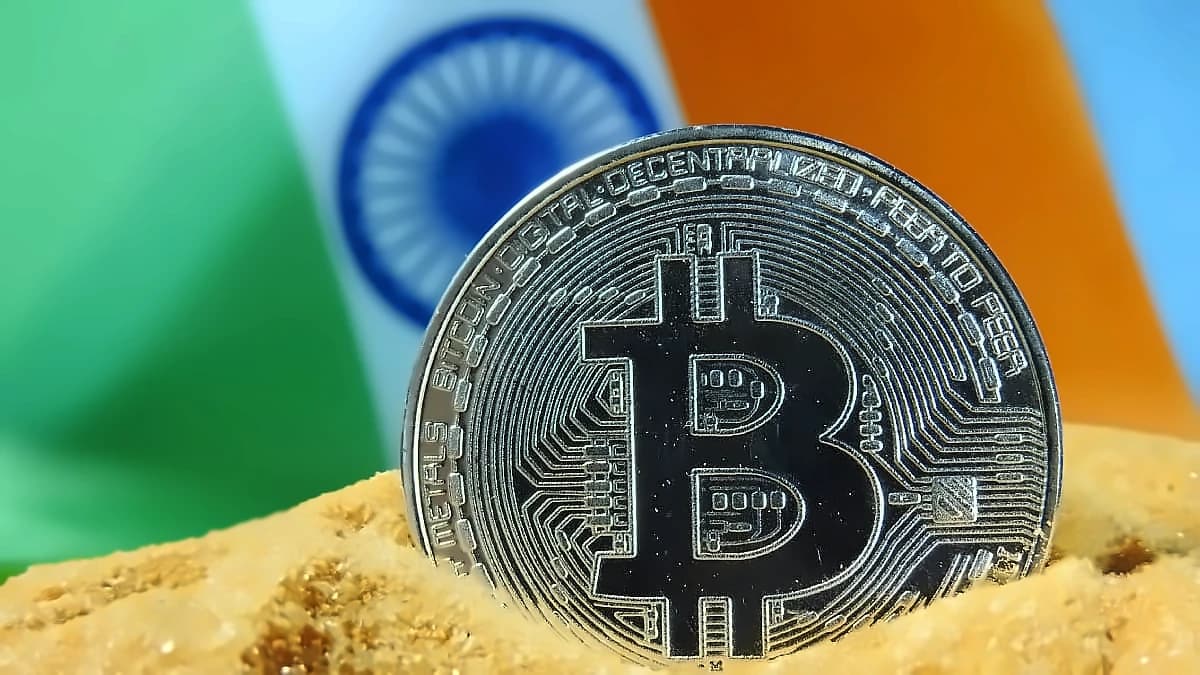
The next phase of crypto adoption is being driven by a demographic shift toward older, higher-income investors rather than the traditional Gen Z perception. As reported by the analysis, the next phase of adoption is increasingly being shaped by older, higher-income investors who approach digital assets with the same methodical mindset they bring to other investments. This behavioral change is particularly significant as it moves away from speculative meme coin trading toward systematic portfolio allocation, with investors allocating small portions of existing portfolios to Bitcoin and other digital assets.
India's evolving compliance and reporting frameworks are playing a crucial role in this market maturation. According to the analysis, frameworks such as the CBDT's reporting requirements and the implementation of the Crypto-Asset Reporting Framework (CARF) are pushing the ecosystem toward greater transparency. These regulatory developments are creating opportunities for compliant platforms to build credibility around an asset class that has historically suffered from perceptions of opacity. As regulation and compliance improve, investors can make decisions based more on asset characteristics rather than ecosystem uncertainty.
The maturing crypto market is creating significant financial inclusion opportunities beyond traditional financial centers. As reported by the analysis, low entry points and mobile-first investing are making digital assets accessible to investors beyond the traditional financial centres. The ₹100 monthly starting point can make the first step considerably less intimidating for first-time investors in Tier-2 and Tier-3 cities who are already comfortable with mobile payments and digital banking. This accessibility is enabling broader participation in the crypto ecosystem beyond the traditional trading community.