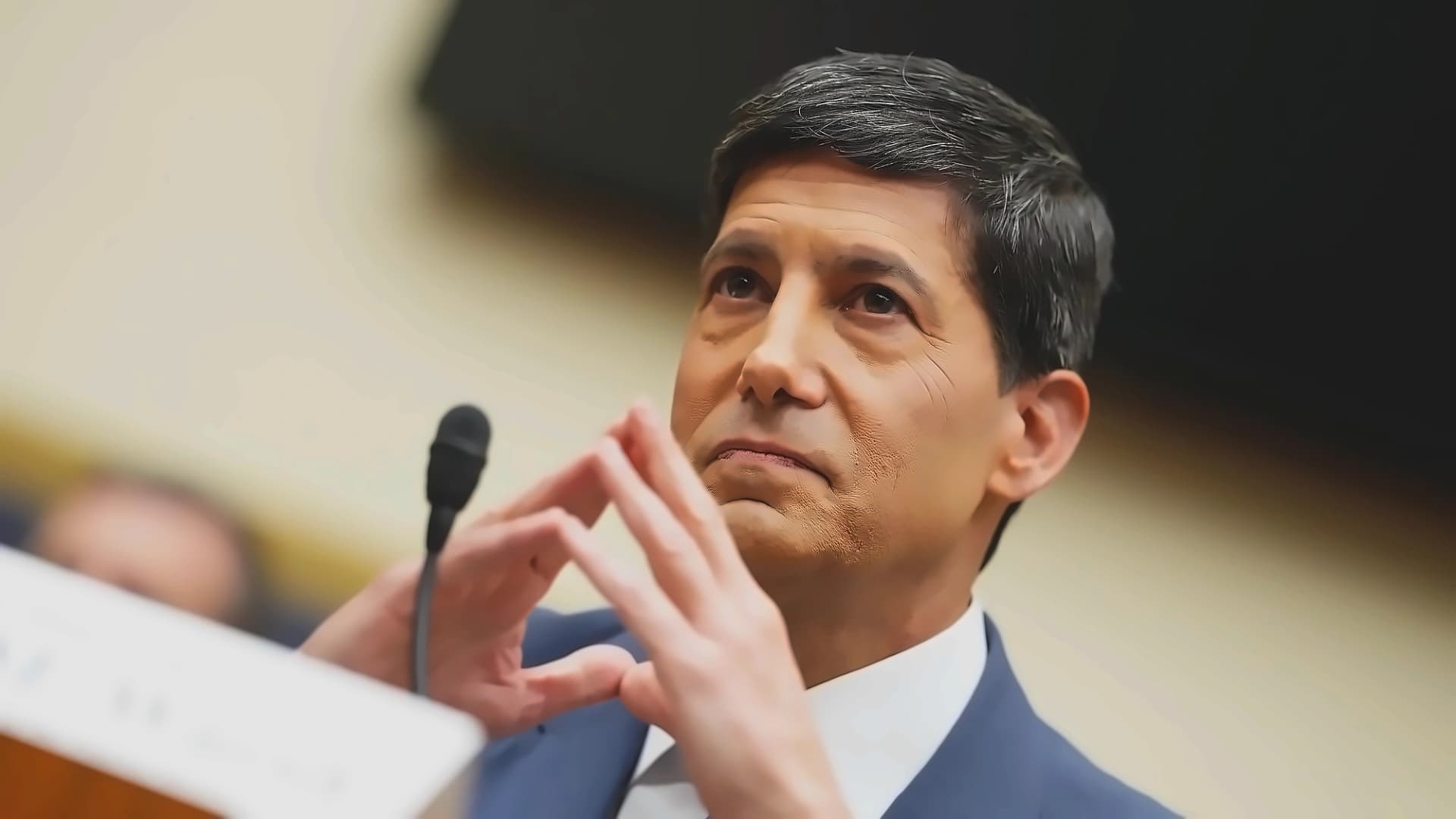
The Federal Reserve Bank of New York has announced $10 billion in Treasury bill purchases scheduled from June 12 to July 13, 2026, marking a significant liquidity injection into the financial system. According to the New York Fed, the Open Market Trading Desk will purchase bills in the secondary market and may also buy Treasury securities where time to maturity will be 3 years or less. The operations are part of the Fed's standard framework for market management and are run under the System Open Market Account (SOMA). Crypto investors are closely observing this infusion of liquidity and its implications for the crypto market, with the purchase continuing in line with FOMC policy guidance to keep banking system reserves ample. The Fed will also keep reinvesting agency security principal payments into Treasury bills as it follows its existing balance sheet policy.
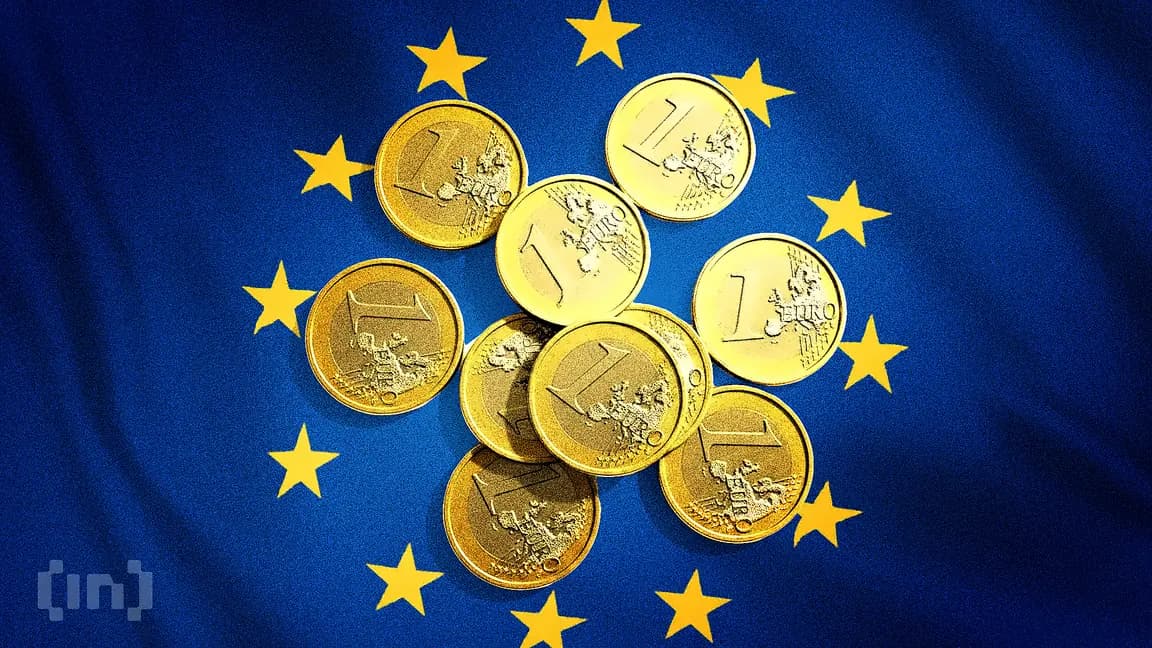
Revolut has announced the removal of USDT from its crypto offerings, with the stablecoin being delisted by August 31, 2026, citing regulatory and risk considerations. As reported by Revolut, USDT purchases will end on July 6, 2026, at 12:00 PM GMT, while users have until August 31, 2026, at 12:00 PM GMT to sell or withdraw their holdings. Any remaining USDT after the deadline will be automatically converted into users' base currency at prevailing exchange rates and credited to their Revolut balance within seven business days. The move represents Revolut's ongoing efforts to keep its digital asset products in line with the changing regulatory landscape and risk-manage its platform as the European Union's Markets in Crypto-Assets (MiCA) framework rolls out.

Germany is preparing to scrap the 12-month tax-free holding period for cryptocurrencies as part of broader budget reforms for the 2027 federal budget. Finance Minister Lars Klingbeil has stated that digital assets will be 'taxed differently,' fueling expectations that Berlin may eliminate the tax exemption for selling cryptocurrencies held for more than a year. The current 'Haltefrist' rule allows private investors to sell cryptocurrencies tax-free if held for at least 12 months, also covering assets used for staking or lending. The government aims to increase budget revenues by approximately €2 billion, with cryptocurrencies viewed as a key area for potential adjustments. Market analysts identify this specific exemption as a primary candidate for reform, with industry representatives believing such a move would be the most direct path to achieving the stated fiscal target. Finance Minister Lars Klingbeil noted as early as April that the government intends to change the taxation framework for digital assets, though the cabinet has yet to present a formal bill.
The International Monetary Fund (IMF) has issued a stark warning about the potential risks of tokenization, the technology driving the crypto boom. According to reports from the IMF, the organization warns that tokenization could rip risk out of banks and hand it to lines of code that no regulator controls. The IMF emphasizes that 'effective oversight must therefore extend beyond institutions to the code itself', citing concerns about the growing centralization of financial risk in automated systems. IMF Financial Counsellor Tobias Adrian published the assessment through the IMF's Monetary and Capital Markets Department on July 2, arguing that tokenization should be understood as a fundamental redesign of market infrastructure rather than a simple speed upgrade.
The financial stakes are substantial, with BlackRock's tokenized fund BUIDL holding approximately $2.4 billion and Ondo managing more than $1.4 billion in tokenized assets. According to reports from rwa.xyz, stablecoins now hold more than $300 billion, dwarfing the roughly $32 billion in other tokenized assets. The IMF warns that some smart contracts could grow so central that they become too important to fail, referencing the same designation that triggered the 2008 bank bailouts. USD Coin (USDC) briefly fell to 87 cents in March 2023 due to $3.3 billion stuck at a collapsed bank, demonstrating how quickly tokenized assets can be affected by traditional financial failures. CryptoBriefing confirmed the IMF also flagged concentration risks, noting that governance failures on dominant tokenized venues could become systemic events.
The divide between industry optimism and regulatory concerns is stark. As reported by the IMF, BlackRock chief Larry Fink calls this the start of an era where every asset gets tokenized, advocating for the whole financial system on one shared blockchain. However, the IMF warns that the same speed that makes markets cheaper and faster could turn a local failure into a global one before regulators can react. Currently, real trading remains thin with much of the tokenized asset market barely moving week to week, leaving the next few years of regulatory framework to determine the ultimate winners and losers in this technological transformation. For traders evaluating the best crypto presale 2026, the takeaway is structural: when even the IMF says the plumbing itself carries new risk, the projects insulated from that exposure by presale pricing and verified audits become the clearest entries on the board.