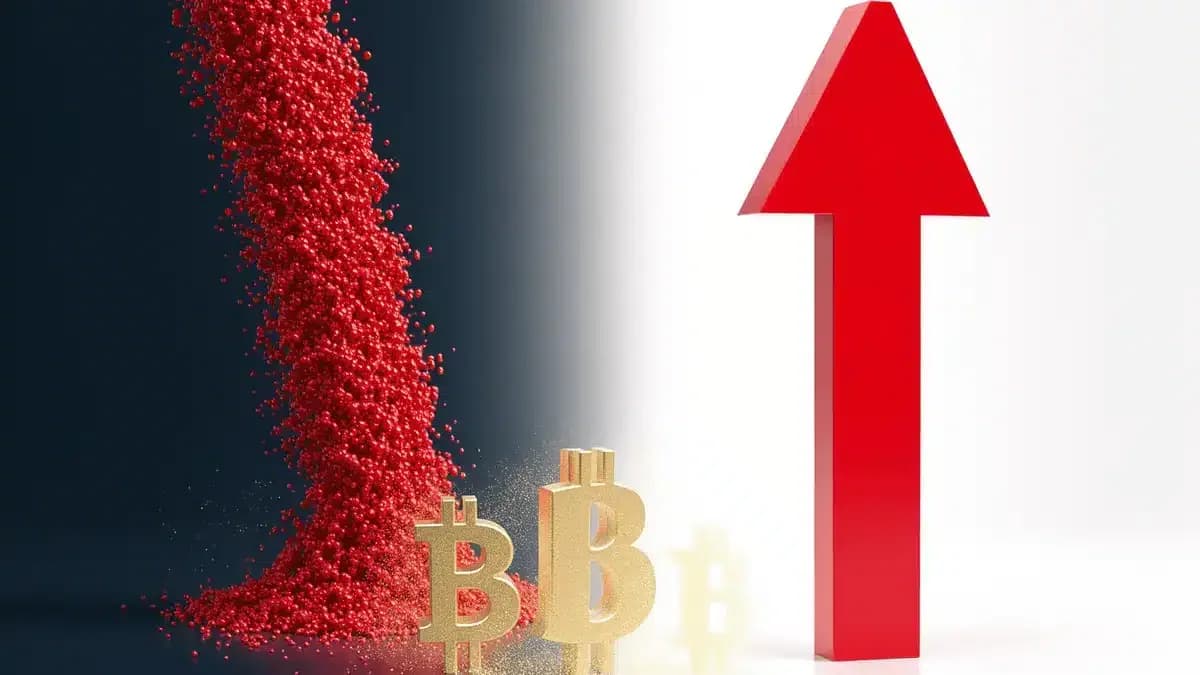
BlackRock's iShares Bitcoin Trust recorded a net inflow of $54.45 million on July 7, 2026, marking a significant recovery in institutional Bitcoin demand. According to recent reports, this single-day figure exceeded the total net flow across the entire Bitcoin ETF complex that day, which came in at $21.09 million, meaning other funds were experiencing outflows while IBIT absorbed fresh capital. The July 7 inflow follows a pattern of strong performance, with IBIT leading all Bitcoin ETFs with $209 million in inflows the day prior and pulling in $57.7 million on June 12. This recovery comes after U.S. spot Bitcoin ETFs experienced total redemptions of approximately $1.79 billion during the week of June 22-26, with IBIT responsible for roughly 73% of those outflows.
Cardano's Charles Hoskinson has criticized Trump's involvement in the cryptocurrency industry after nearly two years in office, according to reports from AMBCrypto. In a recent interview with David Gokhshtein, Hoskinson contended that the cryptocurrency market is no longer propelled by its own technological advancement and uptake. Instead, it has become unduly reliant on American politics and regulation. Hoskinson believes investors spent much of their time reacting to policy uncertainty, with key questions including whether the U.S. would pass comprehensive crypto legislation, how tariff or monetary policies would affect risk assets, and whether the Trump administration would continue supporting the industry.
Additionally, Cardano's co-founder raised issues regarding political polarization, as reported by AMBCrypto. This comes as Trump recently revealed that his cryptocurrency investments have surpassed traditional ventures as his largest source of income. The main reason for this was the explosive growth of family-backed cryptocurrency projects, which in 2025 brought in over ₹11,000 crore in reported revenue. Almost ₹5,000 crore of that was obtained through World Liberty Financial's token sale, while the Official TRUMP memecoin generated about ₹5,400 crore despite its price dropping from ₹6,400 at its peak to ₹167 at press time. Hoskinson expressed frustration, noting that 'They're going to punish crypto for that. They're not going to push Trump because they can't. They're going to push crypto.'
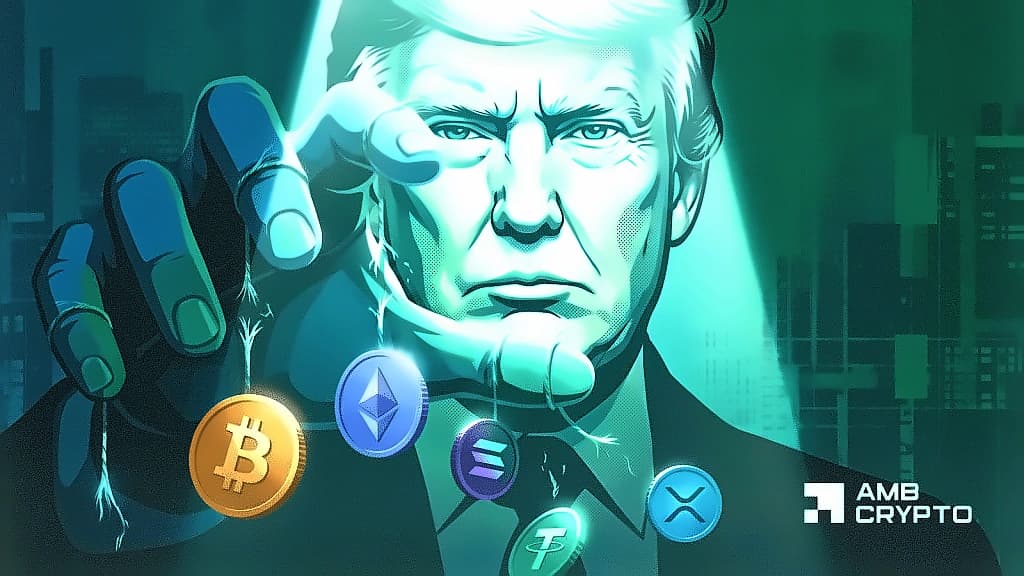
Hoskinson added that what they consider to be a typical cryptocurrency market cycle has been repeatedly disrupted by political unpredictability in the United States, as reported by AMBCrypto. He believes investors were focused less on anticipating a typical bull market and more on navigating shifting macro and political signals. Hoskinson added that if the United States was removed from the equation, they would have had a regular cycle and actually had an alt season in 2025. He dubbed this period as 'Gensler 2.0,' raising the prospect of another regulatory crackdown similar to the one launched against Gary Gensler. This comes as officials are now questioning whether the U.S. Treasury has the legal authority to hold and manage the government's Bitcoin, despite the reserve's original intention to be managed by the department.
The recent institutional Bitcoin flows reflect what analysts describe as selective optimism among institutional investors. During the week of June 22-26, when total Bitcoin ETF outflows reached $1.79 billion, IBIT's dominant market share meant its flows captured both investor rotation and strategic allocation behaviors. The July 7 inflow suggests that a subset of institutional clients interpreted recent price conditions as an entry point rather than a warning sign, reflecting a growing segment of allocators who treat Bitcoin drawdowns as buying opportunities. BlackRock's competitive advantage stems from its existing relationships with pension funds, endowments, and wealth managers, combined with its structure of holding Bitcoin through custodians including Coinbase, which keeps the asset off institutional balance sheets in compliance-friendly ways.