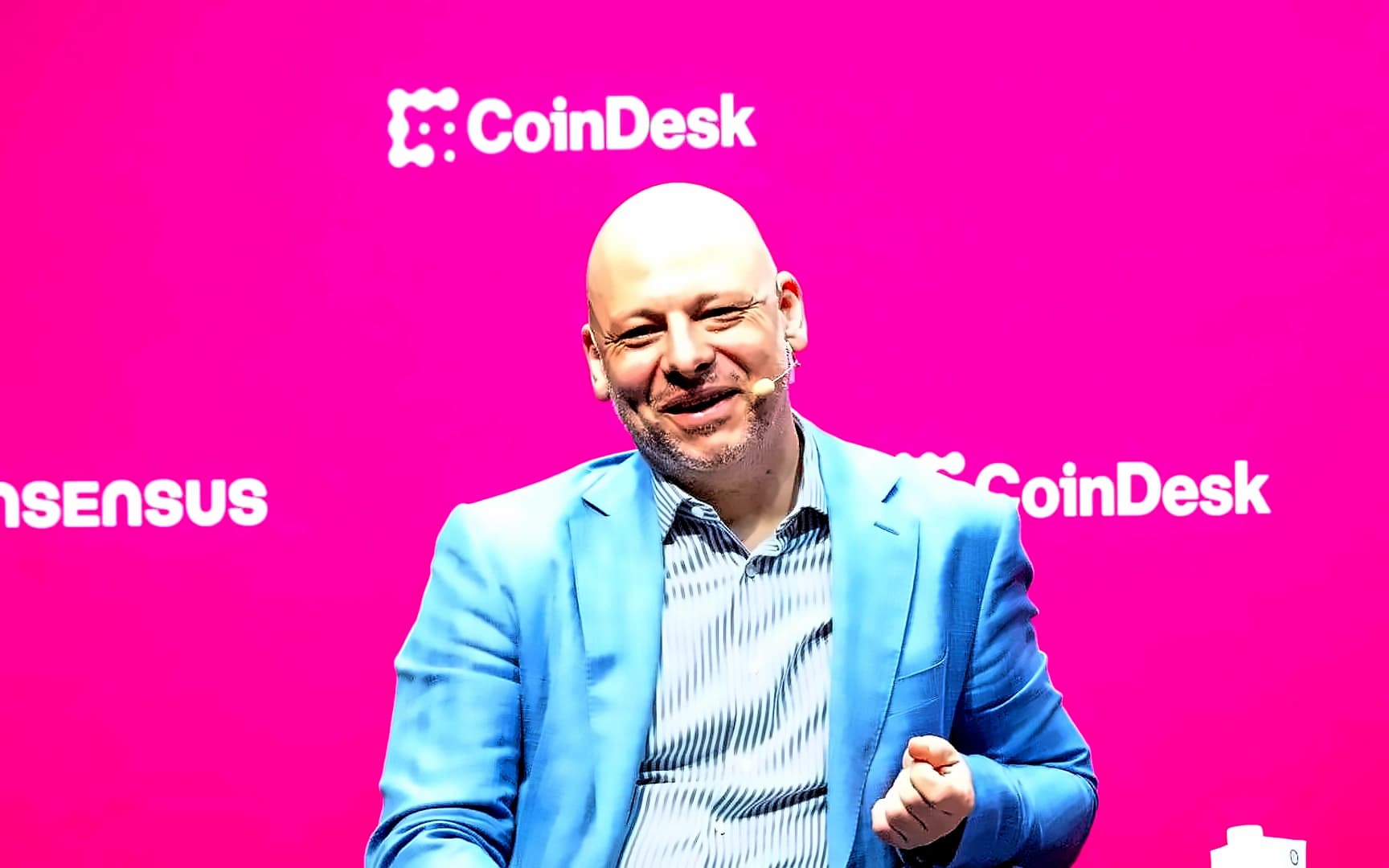
Bitcoin mining company GoMining is launching GoBTC, a Bitcoin-native payments protocol built on its own block production, at this year's Consensus conference. According to Forbes and ChainCatcher, the protocol promises instant authorization at checkout while settlement finalizes directly on the Bitcoin mainnet within a few hours, leveraging the underlying blockchain's confirmation process instead of traditional card-network clearing and batch settlement. As reported by BitcoinWorld, GoBTC enables free and instant Bitcoin payments on the core Bitcoin layer, making it practical to use Bitcoin at the point of sale for everyday purchases. In an episode of the On The Margin podcast, CEO Mark Zalan stated, "We've created a way to achieve instant Bitcoin payments natively on Layer 1—without wrapped assets or Layer 2 solutions," distinguishing GoBTC from mainstream L2 solutions like the Lightning Network. The core logic of this solution is to utilize its own mining pool's block production capacity (approximately 2-4 blocks per day) to package transactions and directly write them to the Bitcoin main chain, achieving instant authorization and on-chain settlement within hours. The launch comes at a critical time when only about 2,300 businesses accept Bitcoin directly in the US, despite 22% of adults owning Bitcoin, highlighting the gap between ownership and practical usage.

GoBTC charges merchants a 0.2% processing fee, significantly lower than the combined 1.5% to 3.5% charges that merchants typically pay to accept credit cards once interchange, assessment, and processor markup are included. On a $100 sale, the merchant keeps $99.80 compared to traditional card processing. As reported by BitcoinWorld, GoMining distributes the entire fee back into the ecosystem: half goes to the miners who confirm transactions, and half goes to the wallet provider that initiated the payment. The company retains nothing on third-party transactions to incentivize wallet integrations and accelerate adoption. According to Forbes, GoMining claims to rank among the world's top ten Bitcoin mining companies by hash rate, which provides the infrastructure advantage for this competitive pricing strategy. CEO Mark Zalan explained that the system does not rely on the Lightning Network or Layer 2 solutions, instead allowing mining pools to determine transaction fees themselves when blocks are produced, achieving a near-zero fee payment experience for users. The competitive advantage is particularly significant given that Lightning took seven years to reach $1 billion in monthly volume with an average transaction size of $223, suggesting GoBTC's potential to address the practical spending gap in Bitcoin's ecosystem.
GoBTC uses mining-powered confirmation through GoMining's own mining infrastructure, creating a dedicated mining pool for processing GoBTC transactions. The protocol employs a 2-of-3 multi-signature architecture shared between the user, GoMining, and a regulated third-party custodian. According to Forbes, CEO Mark Zalan explained that GoMining operates its own mining pool, producing 2–4 blocks per day. Payments authorized via GoBTC's multisig wallet are processed off-chain in batches and then included in blocks mined directly by GoMining. As reported by BitcoinWorld, GoMining aims for 12-hour on-chain settlement by the end of 2026, significantly faster than traditional Bitcoin settlement times. This approach allows GoMining to mine the blocks itself rather than depending on third-party pools for confirmation, providing greater control over transaction processing. In this model, payment traffic is processed in batches through a multi-signature wallet before entering the GoMining mining pool's block production process, forming an integrated closed loop of payment - packaging - block production.
GoBTC is designed as open infrastructure where any wallet provider — from Ledger to Trust Wallet to MetaMask — can integrate the protocol to offer instant Bitcoin payments to their users. As reported by BitcoinWorld, merchants can receive BTC directly to their own wallet, or use GoMining's custodial merchant solution, which offers yield on their BTC balance — including during the settlement window — and an off-ramp to fiat. The launch coincides with GoMining's major expansion in the United States, with the company building combined data centers for Bitcoin mining and AI workloads, targeting 1 GW of compute capacity in 2026. According to Forbes, because GoMining sets its own transaction fees on blocks it mines, it can reduce end-user fees to zero: "Since we're the miners packaging those blocks, we can set any fee we want—and retain those fees ourselves." The protocol also includes a loop for GoMining's digital miners — users who own tokenized mining power through the GoMining app — where part of GoBTC transaction fees flow back to them as extra BTC yield. GoBTC will roll out a dedicated point-of-sale terminal, merchant dashboard, developer SDK, and plugins for Shopify and WooCommerce in the coming months to make adoption easier for merchants who prefer traditional payment systems.
If executed at scale, a 0.2% on-chain payment protocol could pressure existing crypto payment gateways that charge around 0.5% to 1% per transaction, as well as traditional card processors whose economics depend on multi-percent fee stacks. According to crypto.news, any on-chain alternative that can deliver similar reliability at a fraction of the cost poses a credible threat to the status quo, particularly given that card fees remain a major pain point for merchants with average processing charges eating into thin retail margins. The launch comes amid regulatory pressure on card fees, with Visa and Mastercard's $30 billion swipe-fee settlement underscoring merchant and regulatory concerns about traditional payment processing costs. As reported by Forbes, the competitive advantage comes from GoMining's substantial hash rate, enabling the company to offer significantly lower fees than mainstream payment processors. Analysts believe the key innovation lies in binding the "block-producing right" and "fee structure" of the payment protocol, making mining companies both the core of the settlement network and the revenue distribution center, though scalability still depends on merchant adoption rates, compliance requirements, and competitive pressure from existing payment networks such as Lightning. The protocol's open architecture and integration with major wallet providers position it to address Bitcoin's practical spending gap while maintaining the core Bitcoin layer integrity.