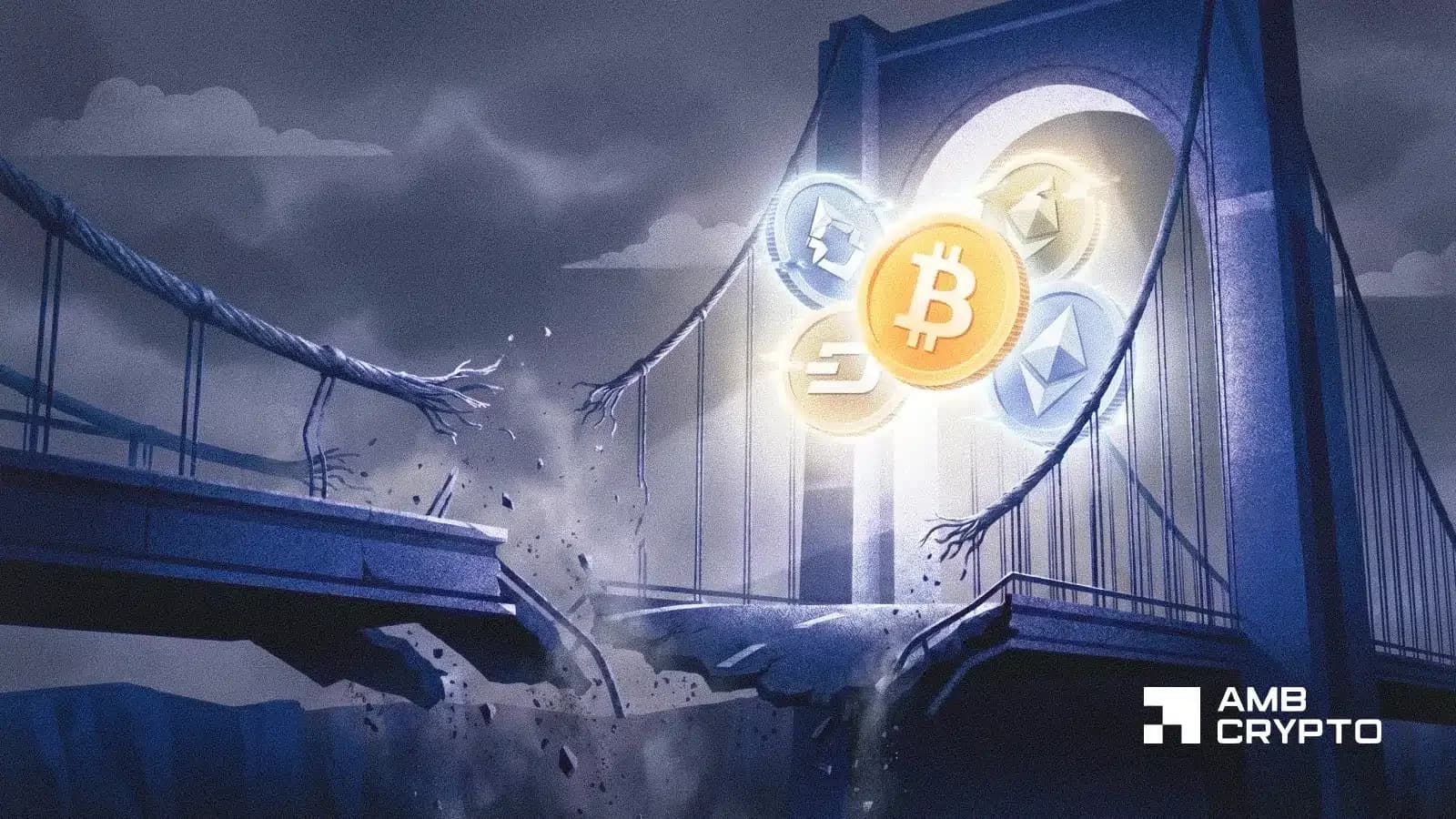
According to CoinDesk reports, Fun CEO Alex Fine predicts that legacy crypto infrastructure including standalone on-ramps and blockchain bridges will become obsolete as digital asset applications adopt unified payment systems. Fine argues that users care about accessing applications directly rather than converting fiat to crypto through separate funding steps. The CEO stated that 'The age of on-ramps will be completely dead and the age of external bridging sites will be dead' as platforms embed payments directly into user experiences. Fine's latest predictions suggest this transformation will occur within a year, as he envisions purpose-built deposit products replacing traditional fiat-to-crypto conversion methods. The shift mirrors traditional Web2 payments, where consumers rarely think about the infrastructure processing their transactions.
As reported by CoinDesk, Fun operates as a payments infrastructure company that provides APIs connecting traditional payment systems with blockchain networks. The company processes more than ₹25,000 crore ($3 billion) in monthly transaction volume and powers 100% of deposits and withdrawals on Polymarket while handling deposit flows into Aave's largest vaults. Fun has raised ₹575 crore ($72 million) to date following a successful Series A round on May 1, 2026, co-led by Multicoin Capital and SignalFire. The company has positioned itself as a high-conversion deposit rail provider, claiming 8x higher fiat volume conversion rates compared to previous setups and conversion rate improvements ranging from 3.4x to 8x over existing aggregators like MoonPay and Stripe. Rather than operating as a consumer-facing exchange or wallet, Fun provides APIs that allow fintechs and crypto applications to embed deposits, withdrawals, settlement and checkout directly into their products, abstracting away the complexity of moving funds between fiat currencies, stablecoins and blockchains.
According to Fine's analysis reported by CoinDesk, the current crypto payments ecosystem remains fragmented with developers forced to integrate multiple card processors, banking partners, crypto assets, blockchains and bridges. He argues that platforms should optimize around getting users funded quickly and seamlessly rather than relying on individual payment rails. Fine frames the evolution of crypto payments as a story told in three distinct eras: the first era of centralized exchange on-ramps, the second era of iframe aggregators (including MoonPay, Transak, and Stripe's crypto tools), and the current third era of purpose-built flows designed specifically for fintech companies transitioning to on-chain solutions. These new deposit products use behavioral data and chain-specific defaults to route users from fiat to on-chain actions without traditional friction. Fine noted that 'In Web2, payments are highly fungible,' while in Web3, they're much more complex because every payment method behaves differently, with teams rebuilding the same infrastructure over and over again instead of building unified optimized funding flows.

As reported by CoinDesk, Fine identified prediction markets and tokenized equities as among crypto's most promising growth sectors, stating that prediction markets today represent 'perhaps 10%' of their eventual potential. He expects broader liquidity to unlock markets on increasingly niche events and improve their usefulness as hedging tools. The prediction markets sector continues to attract growing numbers of users and trading activity, with platforms like Polymarket and Kalshi becoming increasingly visible while the underlying infrastructure that enables deposits and withdrawals remains largely behind the scenes. Fun's focus on building backend technology allows fintechs and crypto applications to embed deposits, withdrawals, settlement and checkout directly into their products, positioning the company at the forefront of this third-era transformation. The comments come as these applications continue to attract growing numbers of users and trading activity, with the infrastructure that enables deposits, withdrawals and settlement largely remaining behind the scenes.