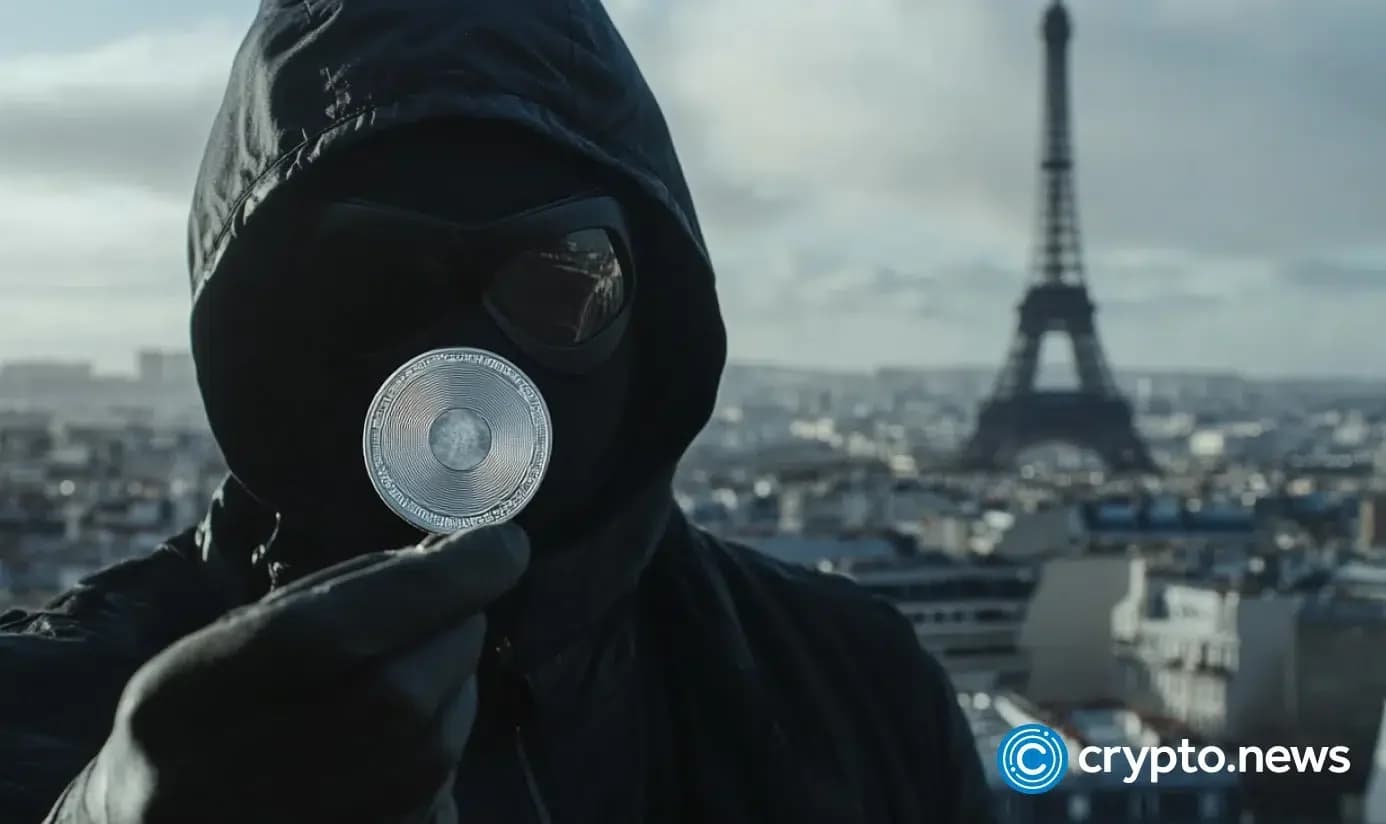
France has emerged as the global hotspot for crypto wrench attacks, accounting for approximately 70% of all reported physical attacks against cryptocurrency holders and their families, according to Bitcoin journalist Joe Nakamoto. The country recorded 41 crypto-linked kidnappings in 2026, equivalent to roughly one case every 2.5 days. As reported by Cointelegraph, these attacks involve criminals using force, threats, kidnapping, or home invasion to pressure victims into handing over cryptocurrency, often targeting not only holders but also relatives who may be easier to reach. The attackers seek private keys, seed phrases or devices that provide immediate access to cryptocurrency wallets. According to CertiK's latest report, 34 verified incidents of physical coercion against crypto holders were recorded globally, with France maintaining its dominant position in these attacks.

Nakamoto linked the rise in attacks to centralized know-your-customer records, explaining that criminals can use leaked names, emails, phone numbers, and home addresses to identify potential crypto holders. The 2020 Ledger customer data leak remains central to this debate, having exposed details tied to more than 270,000 customers worldwide. According to Nakamoto, Casa CEO Jameson Lopp stated that "France is the canary in the coal mine, demonstrating how financial regulations create a surveillance apparatus that causes direct harm to bitcoin holders." Security researchers and members of the crypto community are compiling databases of confirmed wrench attacks to identify patterns and alert potential targets.
French authorities have taken significant action against suspected networks, with 88 suspects charged in connection with wrench attack cases in France, including minors, as reported by related coverage. Vanessa Perrée, national prosecutor for organized crime, reported at least 88 detentions tied to wrench attacks. The PNACO tracking system recorded 18 incidents in 2024, 67 in 2025, and 47 so far in 2026. Prosecutors and police are investigating networks believed to be responsible for a significant share of the cases. Criminal groups operating from outside France typically organize the attacks and recruit local individuals to carry them out, according to Nakamoto.
Nakamoto provided specific guidance for crypto holders, advising against public posts that reveal wealth, wallet use, or direct exposure to digital assets. He emphasized the importance of custody tools that can freeze funds when users face threats, with some services using pre-agreed words or phrases to warn companies that customers are under pressure. Nakamoto also suggested maintaining a small decoy wallet for emergency situations while stressing that maintaining a low public profile remains crucial for security. The report highlights how exposed personal data from online leaks can move into offline threats, forcing users and companies to rethink basic security habits.