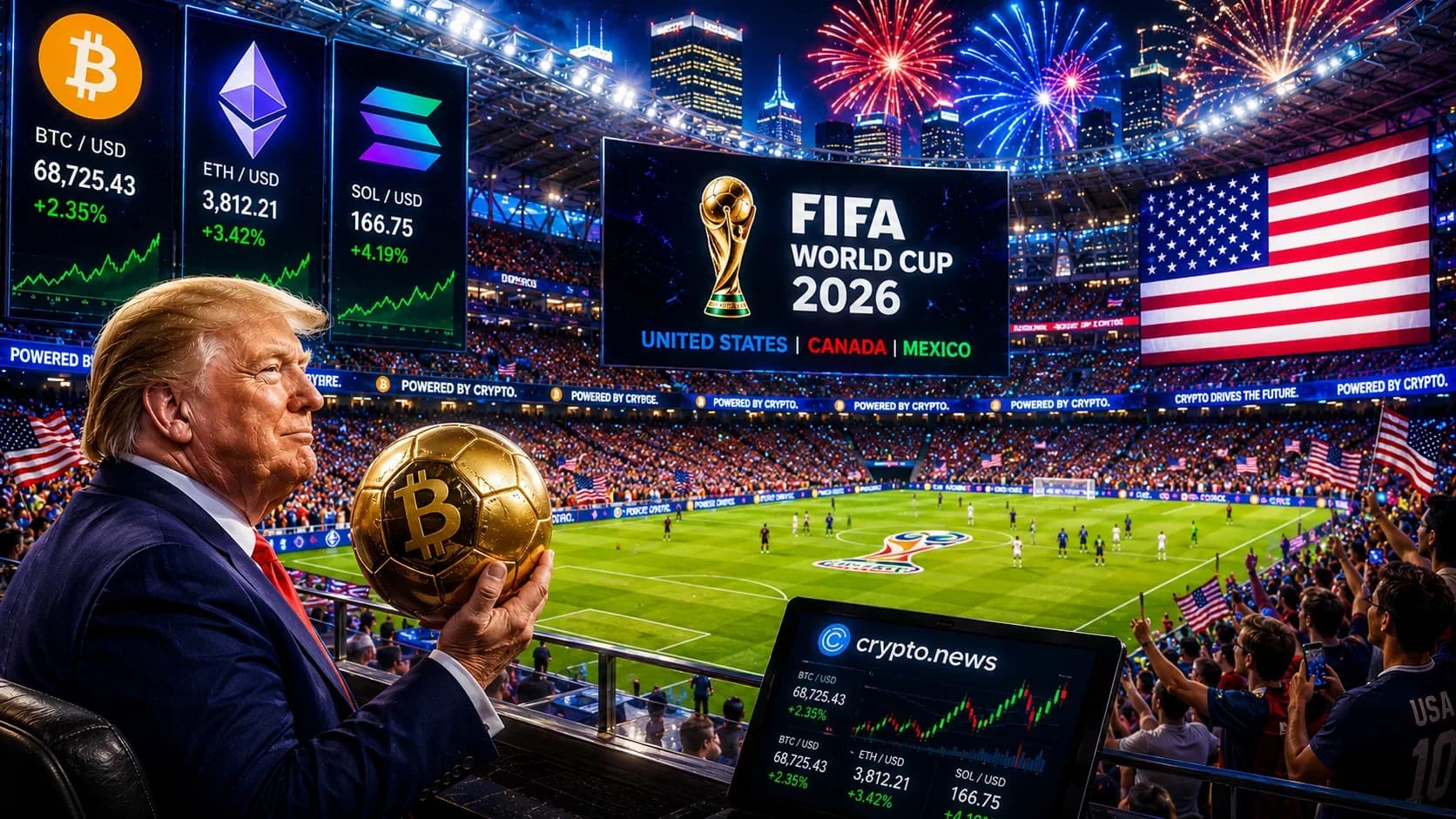
The FBI has issued an international alert after detecting a network of fraudulent websites using FIFA's image to deceive fans looking for tickets and packages for the 2026 World Cup. According to the FBI, cybercriminals are taking advantage of the tournament's approach to sell nonexistent tickets and obtain victims' personal and financial information. The alert comes as the 2026 FIFA World Cup will be played in Mexico, the United States, and Canada, with the tournament beginning on June 11 at Estadio Azteca and ending on July 19 at MetLife Stadium. With millions of football fans expected to search for tickets, accommodation, and event updates online, attackers are exploiting the hype surrounding the tournament to launch highly convincing scams.
The US government has introduced a special system to prioritise visa appointments for visitors attending the 2026 FIFA World Cup, creating fresh uncertainty for international students. According to The PIE News, US consular offices are increasingly prioritising World Cup-related visa appointments, pushing F-1 student visa and J-1 exchange visitor applications further down the queue at a time when many students are seeking approval for the 2026-27 academic year. The US Department of State introduced the FIFA Priority Appointment Scheduling System (FIFA PASS) earlier this year, allowing verified World Cup ticket holders to obtain faster visa interview appointments. Education experts warn that this shift has resulted in longer waiting times for student visa interviews in several countries, including key international education markets.
Security concerns extend beyond fraudulent ticket sales, with attackers creating websites that closely resemble official FIFA pages to capture login credentials, payment information, and personal data. As reported by the Sheriff's Department, cybersecurity researchers cited by the department said artificial intelligence tools are making it easier for criminals to clone trusted brands and rapidly deploy convincing phishing campaigns. The FBI Cyber Division has also warned about World Cup-themed phishing operations that use "typo squatting," a tactic involving domain names that closely resemble legitimate websites but contain small spelling changes intended to deceive users. These fake websites are often designed to steal payment information or login credentials, with some deploying spyware or credential stealers onto infected devices.
India is one of the largest sources of international students for the United States, with more than 140,000 Indian students enrolled in US institutions. According to The PIE News, a delayed visa interview can force students to defer admission, postpone travel plans, or in some cases lose access to housing arrangements, scholarships, or programme opportunities. Education consultants have reported growing anxiety among students applying for undergraduate, postgraduate and exchange programmes beginning later this year. The issue comes at a crucial period as summer months typically see the highest demand for student visa processing as universities prepare for August and September intakes.
For individuals who believe they have fallen victim to a scam, the Los Angeles County Sheriff's Department recommends contacting local law enforcement, notifying financial institutions, preserving transaction records, and filing a report with the FBI's Internet Crime Complaint Center. Officials said one of the most common warning signs involves sellers requesting payment through cryptocurrency, wire transfers, gift cards, peer-to-peer payment apps, or other methods that are difficult to reverse once funds have been sent. The FBI advises fans to type FIFA's official website directly into the browser, avoid entering through sponsored ads, carefully verify web addresses before making payments, and do not share banking information on suspicious pages. Students planning to travel to the US for the 2026-27 academic year may consider booking visa appointments as early as possible, regularly monitoring visa wait times, and staying in touch with universities regarding potential flexibility on arrival dates.