The Federal Reserve delivered its first rate hike since 2023, raising interest rates by a quarter point on Wednesday as widely expected by markets. According to reports from BeInCrypto, interest rate futures had put the odds of a hike at 92.7% just hours before the FOMC decision, indicating traders had already positioned for the move. Bitcoin demonstrated resilience, dropping to around $75,350 shortly before the decision and jumping past $76,100 within minutes of the release. The cryptocurrency reached as high as $76,500 after markets closed in the US, settling near $76,400. Latest data from TradingView shows Bitcoin trading below $76,000 and near its lowest levels since August 21, with the rate hike bringing the federal funds rate to 3.75-4%. Fed Chair Kevin Warsh, who has assured Congress that central bank policymakers "have no tolerance for persistently elevated inflation," argued that the rate hike will benefit lower-income Americans because they are hurt most by higher prices.
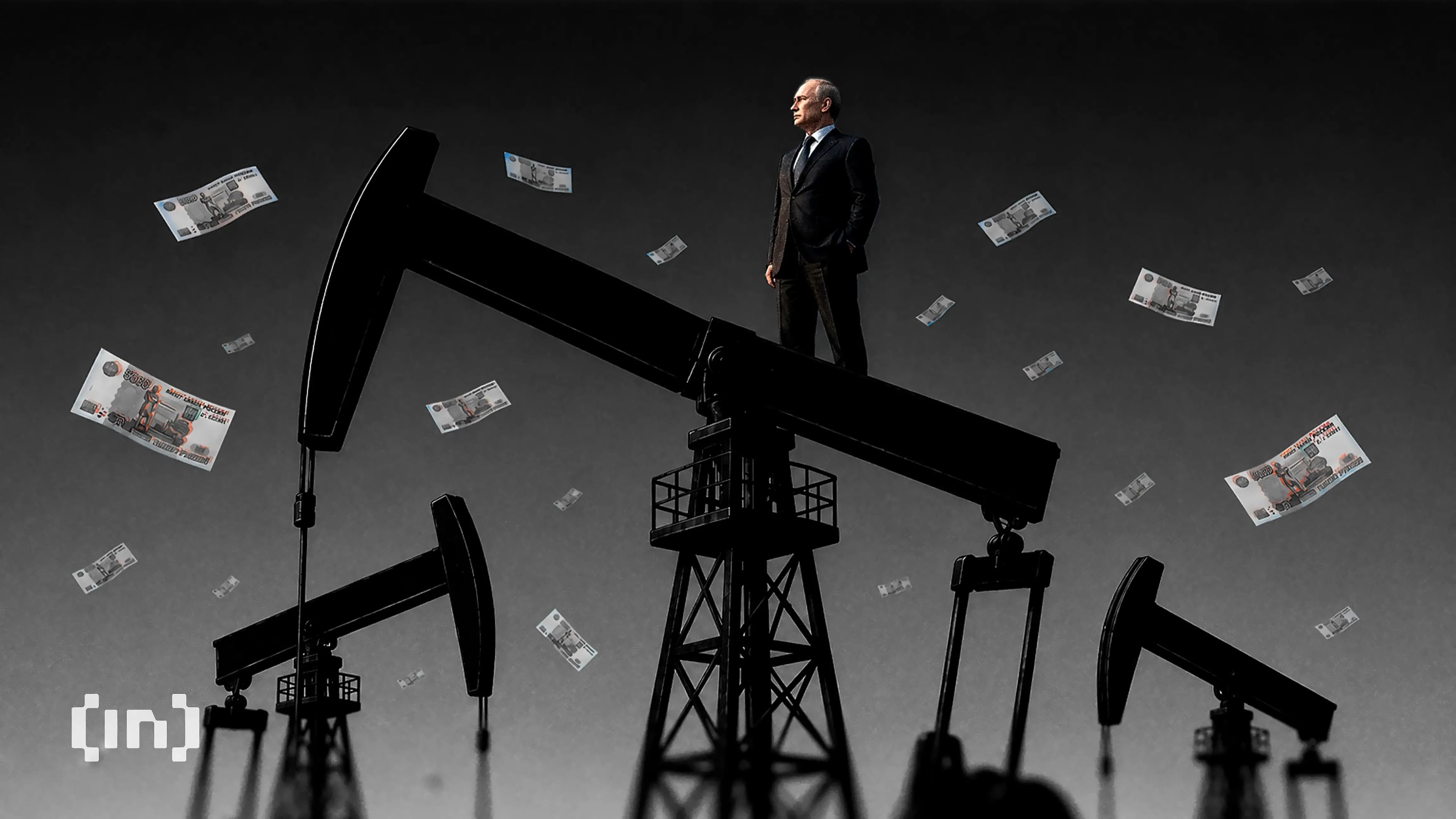
U.S. diesel prices have surged to a record $6.29 per gallon, marking an 80% increase year-to-date according to TradingView. The price spike is driven by Middle East tensions, including the ongoing U.S.–Israeli conflict with Iran, which has disrupted crude flows and raised risk premiums on refined products. Tight refinery capacity and strong demand from both freight and industrial users have amplified the move, turning a regional supply shock into a global price spike. As reported by JPMorgan, "Higher diesel prices can show up in inflation through business costs first, then potentially affect consumer prices over time depending on pass-through and demand." The timing is particularly concerning as central banks are already inclined to hike interest rates, making credit more expensive even though higher rates are unlikely to address the key source of inflation: disruptions to oil supplies from the wars in Iran and Ukraine.
The rate hike was already priced into markets, with traders having positioned themselves well in advance of the announcement. As reported by Yahoo Finance's Daily Wolf host Scott Melker, a credible, one-time hike could calm long-term yields rather than spook markets, provided Chair Kevin Warsh avoided signaling a longer tightening cycle. Updated Fed projections show 16 of 18 officials now expect another hike before year-end, up sharply from nine in June, though the committee's decision passed by a unanimous 12-0 vote with a measured tone in the statement. The latest data from CME Group's FedWatch Tool puts the odds of officials confirming a 0.25% rate hike at over 90%, making a rate hike a near certainty according to trading resource The Kobeissi Letter. On Thursday, Goldman Sachs and Morgan Stanley expect another 25 basis points hike in October, while other central banks are also tightening - the European Central Bank recently hiked rates, and the Bank of Japan (BOJ) is expected to do the same on Friday.
Following the Fed's decision, US stocks initially surged before retreating significantly. The Dow Jones Industrial Average fell 1.21% to 51,467.14, while the S&P 500 Index dropped 0.45% to 7,551.81 and the Nasdaq Composite edged down 0.01% to 25,978.42. Among individual stocks, Intel (INTC) rose 4.03% following reports that SK Hynix is in discussions with Intel regarding potential cooperation to produce memory chips in the United States for the first time. However, energy stocks weakened significantly as oil prices pulled back, with ExxonMobil (XOM) falling 3.54%, Chevron (CVX) dropping 2.86%, and both Devon Energy (DVN) and ConocoPhillips (COP) falling over 5%. Robinhood (HOOD) dropped 5.46%, as crypto regulatory uncertainty continued to weigh on related stocks after the US Senate failed to advance the Clarity Act. Bitcoin is down nearly 12% for the year at $76,400, while gold is largely unchanged, having retraced from the record high of $5,600 reached early this year.

In commodities markets, gold (XAUUSD) pulled back significantly following the Fed's rate hike, with spot gold briefly falling to $4,235.44 after the decision, having earlier broken above $4,365 intraday. After the Fed signaled further rate hikes, a stronger US dollar and real interest rate pressures re-emerged as key drivers for gold prices. International crude oil prices pulled back from previous highs but remained above $100, with Brent crude (UKOIL) falling 2.64% to settle at $105.61 per barrel and WTI crude (USOIL) dropping 3.28% to close at $102.03 per barrel. Saudi Arabia supplied more crude to Asian refiners via Oman's Sohar port, somewhat easing supply concerns caused by export disruptions at Yanbu, while US commercial crude inventories decreased by only 640,000 barrels last week, below market expectations for a 1.62-million-barrel draw. Record diesel prices therefore present a headwind for gold, bitcoin and technology stocks, as historically higher borrowing costs have weighed on the cryptocurrency's market value, as seen during the 2022 Fed tightening cycle.