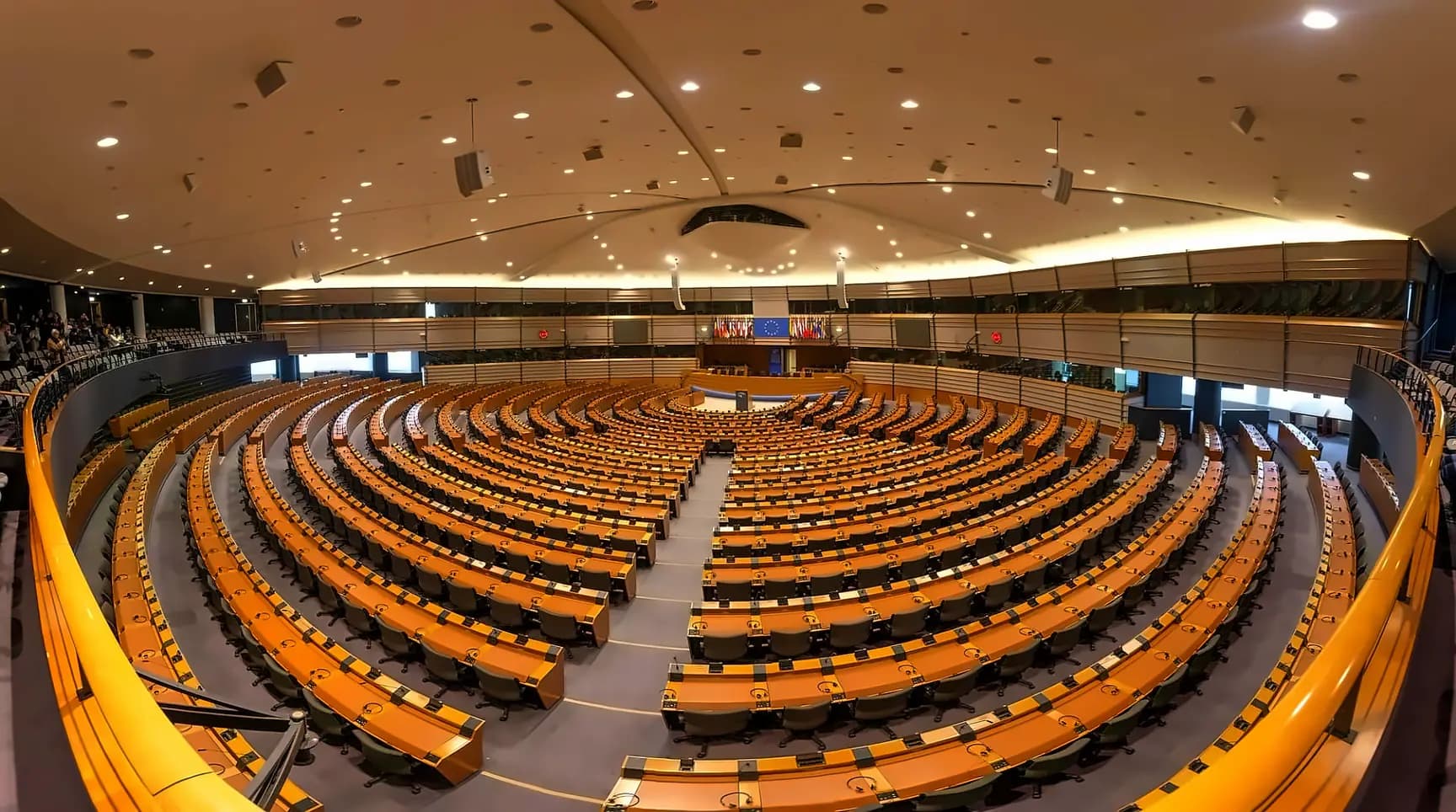
EU lawmakers have reopened a vote on extending the bloc's temporary 'chat control' framework, with a decision that could allow online platforms to continue scanning private messages for child sexual abuse material until 2028. According to the latest voting records, 314 lawmakers voted to reject the Council's position, while 276 voted against rejection on July 9, with 17 abstaining. However, opponents needed an absolute majority of 361 votes to stop the proposal, meaning the legislation advanced even though more lawmakers voted against the Council's position than supported it. The amended proposal now returns to the Council of the European Union for review, which has three months to respond formally. If approved, the extension would continue the temporary ePrivacy derogation while negotiations on a permanent law continue, making the Council's response crucial for the framework's final implementation.

Parliament also approved a crucial amendment excluding messages protected by end-to-end encryption from the scanning framework. The encryption amendment received 369 votes in favor, 236 against and six abstentions, with the exemption applying to communications "to which end-to-end encryption is, has been or will be applied." As reported by crypto.news, Pirate Party lawmaker Markéta Gregorová described the outcome as "a bittersweet victory," noting that protecting encryption had been a priority but acknowledging that "voluntary mass scanning unfortunately passed." The International Association for Trusted Blockchain Applications warned that client-side scanning could expose wallet seed phrases, session keys and other sensitive data, while also raising concerns about compliance burdens for open-source developers who may face duties even when they don't control network operations.
Ethereum co-founder Vitalik Buterin has intensified warnings that the EU's revived Chat Control plan threatens cybersecurity for everyone, arguing that mandatory scanning of private communications weakens cryptographic foundations across secure messaging and decentralized blockchain networks. Buterin contends that mass monitoring erodes the mathematical guarantees that underpin encrypted messengers and self-custodied wallets, with the planned permanent regulation even forcing providers to bypass end-to-end encryption. His stance feeds into a wider Web3 privacy debate, as crypto and Web3 systems depend on strong encryption to protect funds and user data. The Ethereum co-founder's recent Lean Ethereum roadmap adds quantum-safe cryptography, a direction that weakened encryption standards would directly undercut. As reported by crypto.news, Buterin wrote "They are trying to push Chat Control through again" before the vote.
If lawmakers ultimately reinstate the framework, Web3 projects offering wallet-based messaging or decentralized social features may have to introduce content monitoring systems or disable those services for users in the European Union to comply with the rules. Some industry participants fear similar legal reasoning could eventually be applied to blockchain transaction data and smart contract infrastructure. The temporary framework is separate from the proposed permanent regulation known as 'Chat Control 2.0,' with negotiations expected to resume in September. The law has not completed the EU legislative process, as the Council's response will determine whether the extension takes effect in its amended form or returns for further talks. Since the previous legal basis expired in April, messaging platforms including WhatsApp have been able to continue such detection efforts voluntarily instead of under the temporary EU framework.