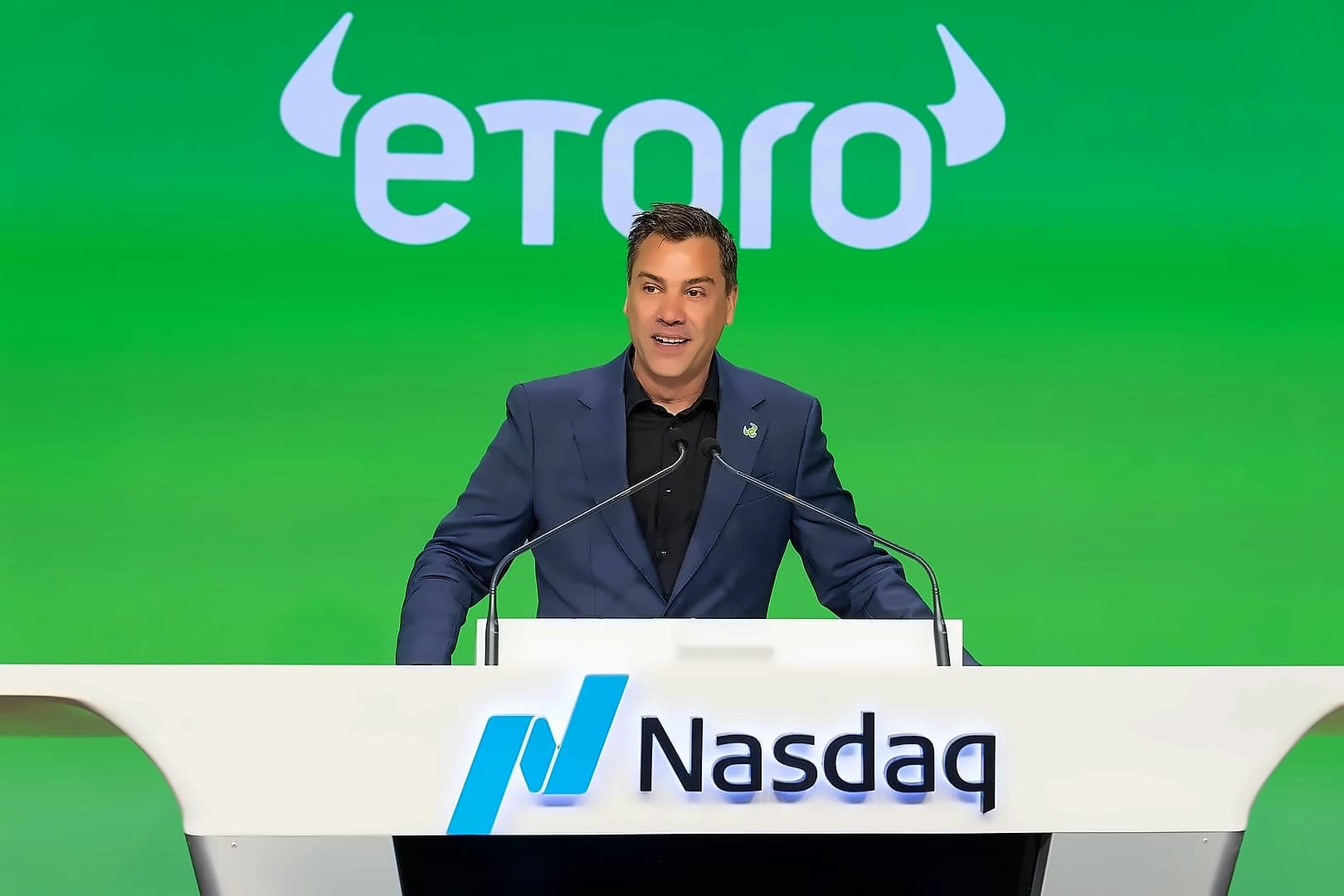
Digital broker eToro has led a $12.5 million funding round for onchain derivatives platform Extended, marking a significant expansion into blockchain-based trading infrastructure. According to reports from CoinDesk, the investment was joined by Jump Crypto and Alber Blanc, with the startup led by former employees of London-based fintech Revolut. The move builds on eToro's $70 million acquisition of self-custody wallet Zengo announced in April, creating a comprehensive Web3 ecosystem strategy. As reported by Extended, the investment round also marks the beginning of a partnership between Extended and Zengo, with the companies planning to explore ways to connect traditional financial assets with decentralized trading environments.
As reported by CoinDesk, eToro plans to integrate Extended's perpetual futures engine directly into the Zengo wallet, providing users seamless access to onchain derivatives while retaining custody of their assets. Elad Lavi, eToro's executive vice president of corporate development and strategy, stated that the company is seeing growing demand from users for seamless access to DeFi products. The planned integration gives eToro a route into DeFi without moving users away from self-custody tools, with Zengo serving as the entry point while Extended supplies the trading infrastructure. Zengo uses multi-party computation technology, which removes the need for seed phrases while still giving users control over assets, and supports swaps, staking, and access to decentralized applications. This structure targets users who want wallet-based access to advanced market products.
According to CoinDesk, Extended, led by former Revolut crypto head Ruslan Fakhrutdinov, had processed more than $245 billion in trading volume as of June and supports more than 100 perpetual markets across crypto and other assets. The platform runs on StarkWare's StarkEx scaling engine and focuses on perpetual futures, a type of derivative contract that has no expiry date. Fakhrutdinov noted that the first phase was building for DeFi natives, with the next phase focusing on expanding infrastructure and partnerships needed to support the next stage of onchain derivatives. The move comes as competition among digital brokerages shifts toward blockchain-based trading infrastructure.
Perpetual futures remain one of the largest crypto trading markets, with CoinGecko's 2026 Crypto Perpetuals Report showing perp DEX open interest share rose from 3.6% in early 2025 to 13.5% in 2026. The same report showed Binance and OKX still leading centralized perps trading, even as decentralized venues gained share. This growth has drawn more attention from brokers and trading apps, with rival broker Robinhood recently launching perpetual futures tied to commodities, ETFs, and currencies for eligible European users. The expansion shows how crypto-style trading tools are moving into traditional markets, with firms aiming to become broader trading platforms for traditional assets.
The investment comes after eToro reported lower crypto-related trading profit in the first quarter of 2026, with crypto generating $13 million in profit during the quarter, or about 5% of eToro's total net trading profit of $258 million. That was down from $46 million in the same period in 2025. As reported by crypto.news, the Extended round shows that eToro is still building around digital assets despite weaker short-term crypto revenue, using Zengo to strengthen its self-custody stack and Extended to enter onchain derivatives more directly. The move places eToro closer to a market where trading apps, crypto exchanges, and decentralized platforms are competing for users who want faster access, direct asset control, and broader exposure to global markets.