The Ethereum Foundation's wider ecosystem push has triggered fresh debate over funding, accountability and communication, with community members questioning "Who is paying for all of this?" as new groups draw scrutiny during weak ETH performance. Market weakness raises pressure as ETH has struggled through a difficult stretch in 2026, with rallies failing to turn into a clear recovery. Weak price action has made ecosystem spending more sensitive because investors are watching costs, value capture and competition from rival networks. Ethereum leaders should focus more on ETH demand, Layer-2 economics and clearer value return to the base chain, supporters of continued funding argue, noting that research and developer work cannot pause during weak markets since core infrastructure still needs maintenance and upgrades.
The Ethereum Foundation is set to reduce its role in shaping the Ethereum network's future, with the organization planning to reduce its mandate over the next 5-10 years, leaving room for new organizations to step up. This strategic retreat comes as the Foundation has faced at least eight senior member resignations by mid-June 2026, including co-executive director Hsiao-Wei Wang, who announced her departure this month. Tom Lee recently dismissed claims that the Ethereum Foundation could face a funding crisis in the next 3-9 months, stating that funding had been secured, and the ETH Labs unveiling might be the 'secured funding' Lee referenced. The Foundation hailed the ETH Labs move, noting that 'the privilege of stewarding Ethereum must not be hoarded, but carefully shared with others committed to building the infrastructure of self-sovereignty'. ETH Labs' mandate is simple: accelerate Ethereum, increase adoption, protect DeFi, solve the biggest problems and make ETH the currency of the internet, as noted by Dragonfly's Haseeb Qureshi, one of the organization's backers.
Five former Ethereum Foundation researchers have launched ETH Labs, a new independent nonprofit research and development organization. The organization is backed by Tom Lee's Bitmine, SharpLink, and Joe Lubin (co-founder of Ethereum and Consensys), with the team representing a broad coalition across the Ethereum ecosystem from DeFi builders, venture firms, institutions, researchers, L2 founders, and more. According to reports, ETH Labs' main mission is to 'make Ethereum the settlement layer of the global economy' and bills itself as a non-profit research and development organization for the chain and its governance token, ETH. Ethlabs launched with support from Joe Lubin, Bitmine, Sharplink, Anchorage, Octant, SNZ and other Ethereum ecosystem participants, with the group including five former Ethereum Foundation researchers and will focus on settlement speed, network capacity, native asset issuance, cross-chain interoperability and Ethereum's monetary design. Ethlabs did not disclose how much funding it received, though the group said an external grants administrator will handle contributions, while supporters will receive quarterly reporting and annual independent audits.
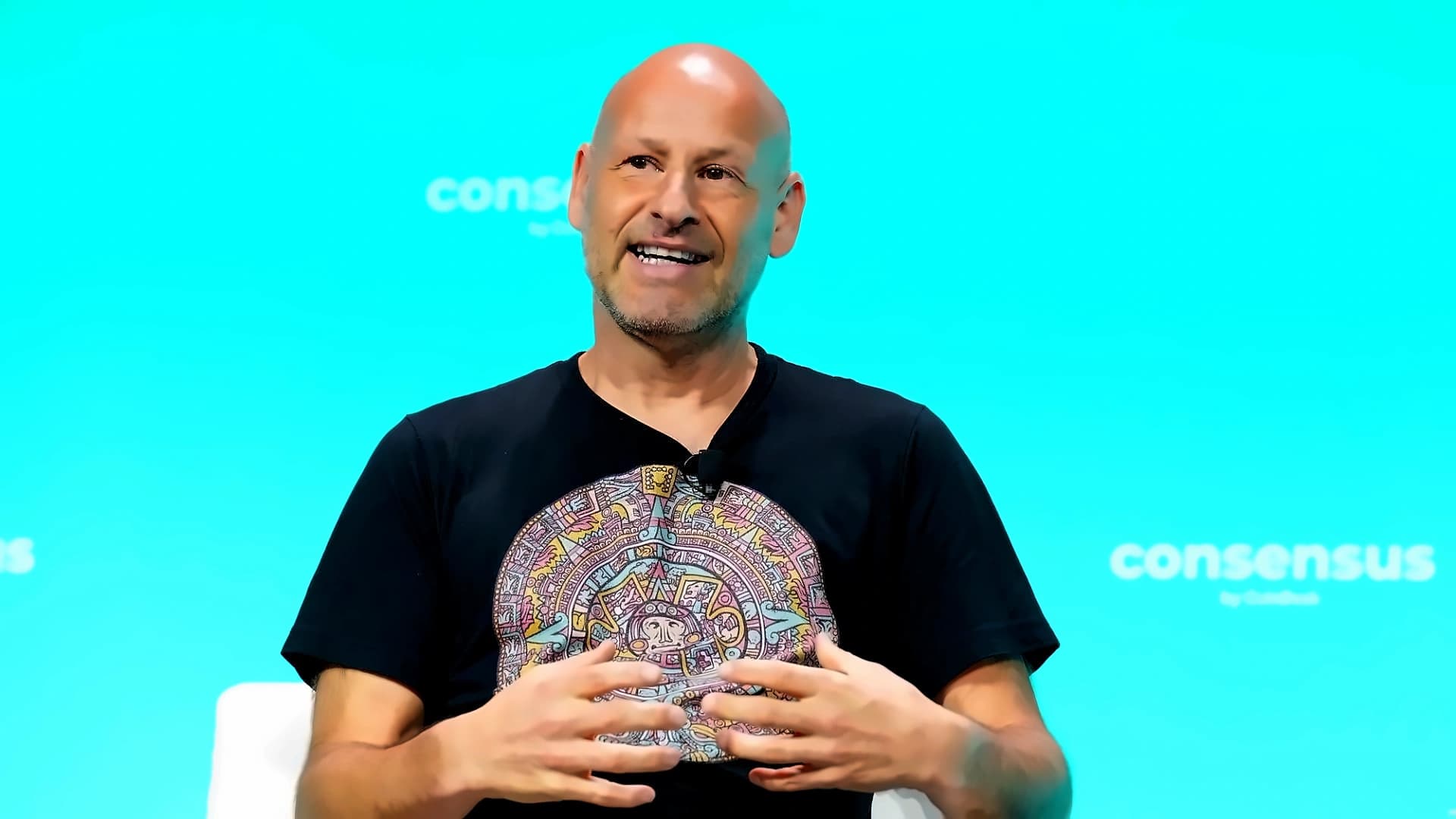
ETH Labs represents what supporters describe as a broader transition toward a 'multi-node' development model, where independent organizations share responsibility for advancing the network rather than relying heavily on the Foundation. 'ETH Labs is independent, but Ethereum is a shared project. We are one node in a much larger network of stewards. This is the multi-node future,' the organization stated. Joe Lubin stated that the organization is now poised to recognize and implement the idea that there should be a number of steward nodes of Ethereum, each configured in their unique way to evolve and protect what is sacred about the network and massively grow the world's appreciation and utilization of it. This decentralized approach mirrors the 'bazaar' development model described by Eric Raymond, where thousands of developers can simultaneously work on different modules without centralized control, ultimately producing results that dwarf those from multi-billion dollar commercial companies.
Transparency becomes the main issue as the Ethereum Foundation's Ecosystem Support Program faces scrutiny over funding sources and accountability. The program says it supports builder tools, infrastructure, research, community resources and other public goods, with its website listing $44.4 million across 677 projects in 2024, after $61.1 million across 498 projects in 2023. That history explains why the community often links new Ethereum groups to broader ecosystem funding, even when groups are legally separate. Public material does not show one single funding channel for every organization mentioned in the debate, which leaves room for questions about donors, budgets and long-term plans. The backlash comes during a wider debate over Ethereum's funding structure, with former Ethereum Foundation researcher Dankrad Feist having proposed a new $1 billion organization for Ethereum, while other contributors have warned that core development funding could face pressure if existing support models shrink. Clearer budget disclosures, donor rules and progress reports may help reduce confusion as independent groups take a larger role in Ethereum's future work.
ETH Labs plans to build new infrastructure and products that the ecosystem needs the most, though no specific details were shared as of press time. SharpLink CEO Joseph Chalom tied the effort to rising demand for Ethereum tokenization infrastructure, stating 'We are at the beginning of an institutional supercycle on Ethereum, and the researchers behind this organization are the people who will make the network ready to carry it.' The structure is built to keep research independent, with the model echoing what Lubin describes as a network of steward nodes sharing Ethereum's stewardship beyond the foundation. Former foundation contributor Trent Van Epps recently warned of a roughly $30 million annual funding gap for core development teams, while Tom Lee earlier dismissed talk of an Ethereum funding crisis, arguing profit-seeking stakers and private backers would step in. Bitmine Chairman Tom Lee said Ethereum could experience substantial adoption from institutions and AI agents, increasing demand for protocol research and technical expertise, with the company recently acquiring another 52,2003 ETH worth approximately $90 million, lifting its holdings to about 4.7% of Ethereum's total supply.