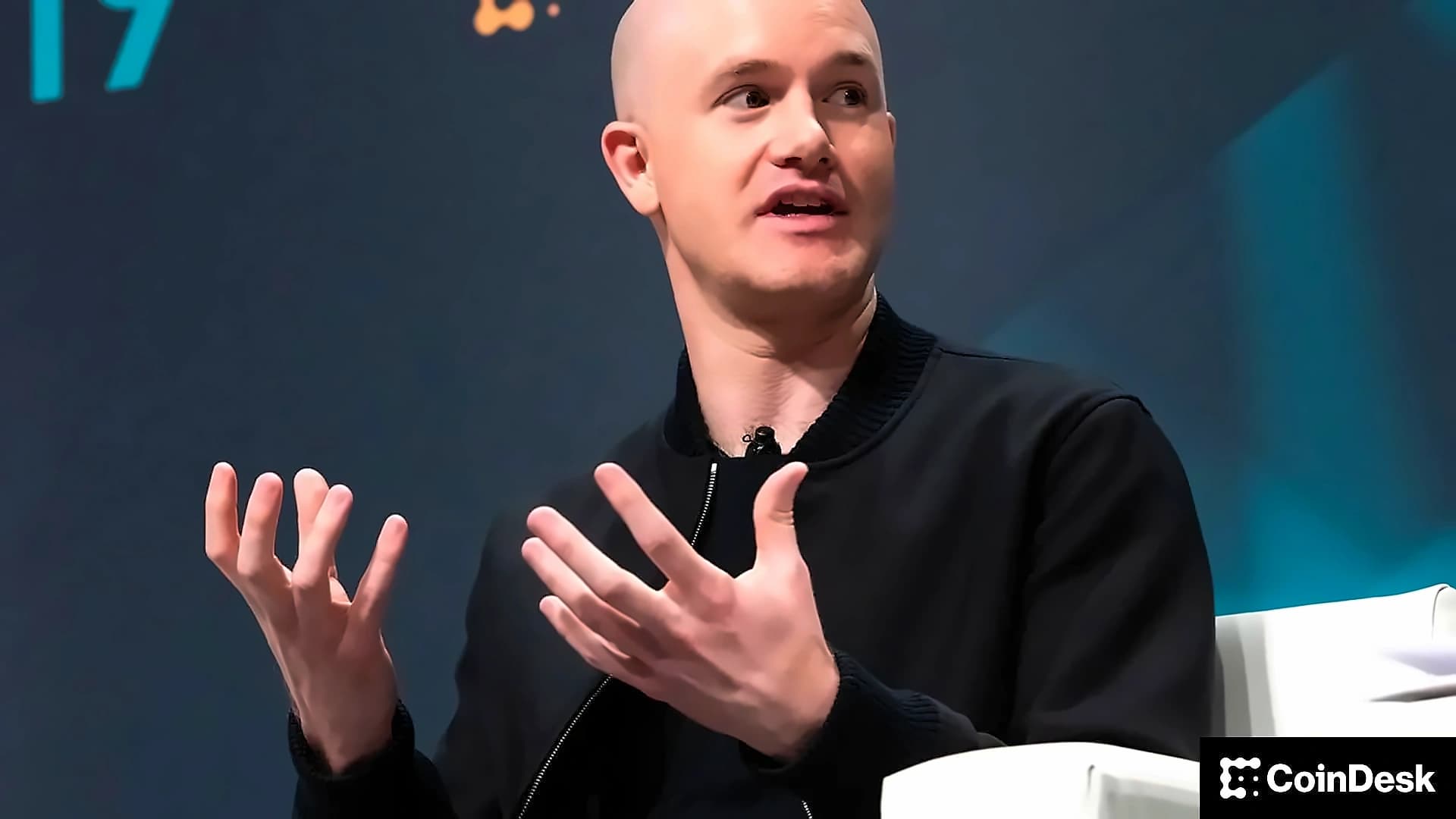
According to reports from The Block, Coinbase Ventures has invested in Ethena after purchasing ENA tokens on the open market, marking the exchange's first-time backing of the protocol. Ethena has announced a new partnership with Coinbase to expand its institutional lending capabilities, with the exchange flagging a "closer partnership" that includes Circle's USDC stablecoin. Under the deal, Anchorage will serve as collateral manager for Ethena's institutional lending activity, allowing the protocol to extend loans to institutions while keeping collateral securely custodied at Anchorage rather than moving it fully onchain. This partnership represents a significant step in Ethena's institutional lending strategy, which began in April as part of a major overhaul of USDe reserves. The collaboration aims to bolster Ethena's lending capabilities by leveraging Anchorage's secure custody solutions, thereby attracting more institutional participants to the platform.
As reported by The Block, Atlas Collateral Management will provide comprehensive services including real-time monitoring of collateral and loan thresholds, automation of margin processes, and execution of rules-based actions. The platform will enable Ethena to offer crypto-native borrowing rates and liquidity without requiring users to leave Anchorage's cold storage system. This approach combines the speed of DeFi with the operational standards that institutions require, addressing institutional concerns about custody and controls. The partnership specifically focuses on enhancing the security of offchain collateral as Ethena shifts towards overcollateralized institutional lending.
Following the announcement, ENA tokens jumped approximately 6% during the past 24 hours, according to The Block price data. The investment comes as Ethena faces challenges with its USDe synthetic dollar, which has been experiencing sustained outflows since late last year and recently lost significant market cap. The synthetic dollar debuted in early 2024 as a sort of onchain bond that maintained its peg to the dollar using a "delta-neutral" hedging strategy, making it unlike all other stablecoins. The project attracted support from investors like Arthur Hayes' family office, Maelstrom, and venture firm Dragonfly, with Brevan Howard and Franklin Templeton also investing. YZi Labs, the crypto investment firm backed by Binance founder Changpeng Zhao, which is also an investor in Ethena, increased its stake last September.

According to The Block, Ethena founder Guy Young emphasized that the partnership supports the protocol's vision for a future where crypto-native financial products serve increasingly sophisticated institutions. The collaboration leverages Anchorage Digital Bank's existing role as the U.S. issuer of Ethena's institutional-grade stablecoin, USDtb. Anchorage co-founder and CEO Nathan McCauley noted that institutions want access to crypto-native capital without compromising custody, controls, or operational rigor, positioning the Atlas platform as a solution that meets institutional borrowers where they are. The strategic move is part of Ethena's broader initiative to revamp its USDe reserves and maintain its dollar peg through basis trade. Young announced that "the upcoming integration next week will be the first time Ethena products are available for their 100m+ user base," as reported by The Block.
The partnership comes as the Clarity Act, currently stalled in Congress, aims to better define whether platforms like Coinbase can reward users for holding funds in stablecoins like USDC. The powerful banking lobby has been opposing measures that would allow for stablecoin incentives similar to how banks pay interest on savings account deposits. Young noted that "given the evolving nature of the Clarity Act, we expect further potential tailwinds for onchain native products like USDe from idle balances on exchanges, and Ethena is well-positioned to support this transition." This regulatory context positions Ethena's institutional lending strategy as potentially benefiting from future stablecoin incentive structures, while the protocol continues to diversify away from USDe's reliance on perpetual futures through its expanded partnerships with major exchanges.