The U.S. Department of Justice (DOJ) has reportedly started investigating whether crypto exchange Binance violated the terms of its $4.3 billion settlement with the U.S. government in 2023. According to reports from AMBCrypto, this investigation comes amid concerns that Binance's platform may have been used to process transactions linked to Iran and its sanctioned oil trade. DOJ Criminal Division head Tysen Duva confirmed the ongoing investigation but noted he wants to focus on building a positive relationship with crypto companies and tech firms. Duva confirmed to Bloomberg on October 9 that officials are reviewing Binance's compliance, with the investigation describing a VIP customer whose suspicious trades drew inquiries from U.S. and Swiss authorities. The DOJ's review stems from concerns regarding Binance's adherence to compliance measures outlined in its previous settlement, with the scrutiny potentially impacting the platform's operational strategies and user trust.
Back in 2023, Binance agreed to pay $4.3 billion to settle a U.S. criminal investigation after pleading guilty to violating U.S. banking laws and acknowledging failures in its anti-money laundering program. As reported by AMBCrypto, founder and former CEO Changpeng Zhao also pleaded guilty and served four months in prison for failing to maintain an effective AML system. The settlement required Binance to strengthen its compliance controls and cooperate with U.S. authorities, which the DOJ is now analyzing. Binance says it closed the accounts of the VIP customer whose suspicious trades were under scrutiny, with the wider network allegedly moving more than $1.5 billion. The implications of this review could significantly affect Binance's operational strategy moving forward, as highlighted by SolanaFloor's analysis, with the situation highlighting ongoing regulatory challenges faced by the platform.
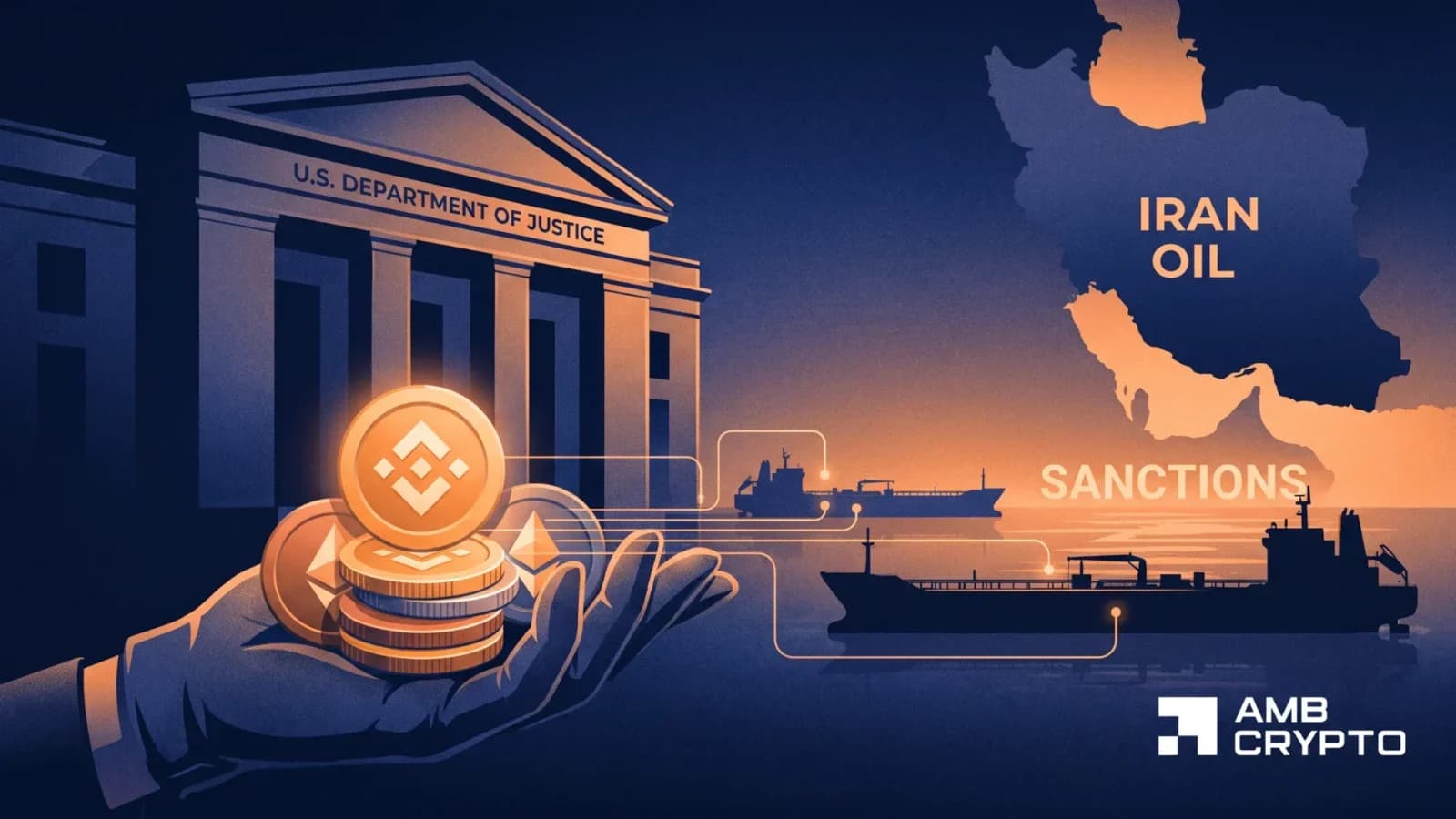
The investigation focuses on whether Binance adequately monitored and reported suspicious activity linked to Iranian networks and black-market oil sales. According to AMBCrypto, U.S. prosecutors are seeking the forfeiture of $61 million in September 2026 allegedly generated from Iranian black-market oil sales. Additionally, reports alleged that accounts linked to Iranian financier Babak Zanjani processed around $850 million through Binance, while suspicious trading by a VIP customer attracted scrutiny from U.S. and Swiss authorities. The broader investigation overlaps with other cases, with prosecutors examining whether the exchange knowingly allowed prohibited trades. In the broader context of mixed signals across the cryptocurrency market, Binance finds itself under increased regulatory pressure as the DOJ's review could have profound implications for the platform's reputation and operational framework.
The DOJ's approach to Binance follows similar patterns seen in other high-profile cases involving deferred-prosecution agreements. In 2023, Ericsson admitted breaching a deferred-prosecution agreement and paid another $206.7 million, with its compliance monitor's term extended. Standard Chartered faced further penalties in 2019, agreeing to more than $1 billion in global penalties over historical Iran sanctions violations. Boeing faced DOJ findings in 2024 that it breached its agreement, though the company later secured a new non-prosecution deal with criminal charges dismissed in 2025. No wrongdoing has been alleged against Binance or its employees in the forfeiture complaint, with past cases suggesting negotiated resolutions are more plausible than immediate operational moves.