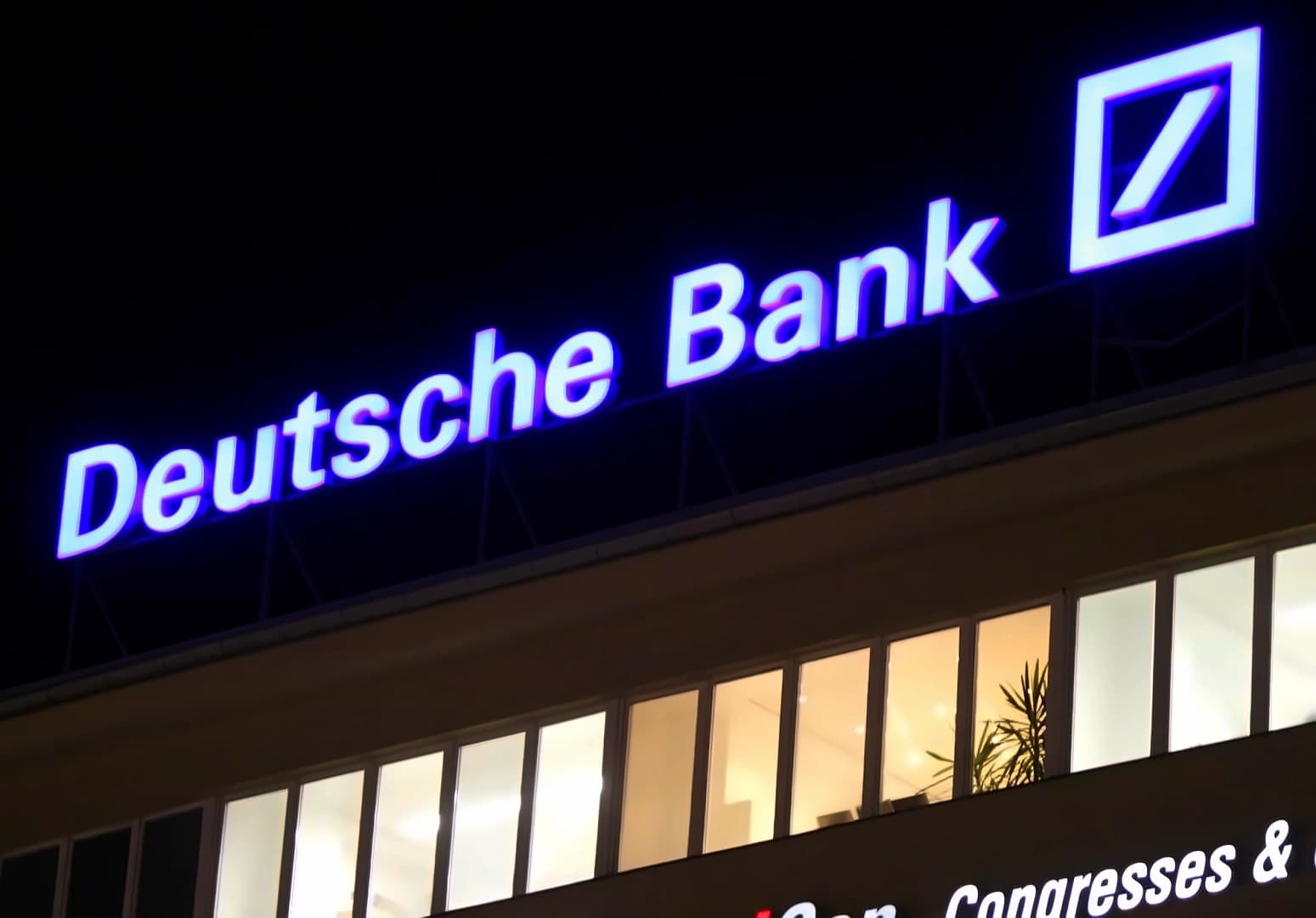
Deutsche Bank announced on October 16 that its first digital asset custody service is imminent, according to a Reuters interview with corporate bank co-head Gerald Podobnik. The bank is just a few weeks away from launching the service in Germany, with the initial phase supporting Bitcoin and Ether before expanding to stablecoins and eventually Asian markets in 2027. This development coincides with $13 trillion financial giant Charles Schwab officially launching Bitcoin and Ethereum trading for eligible clients, making about 40 million accounts accessible to BTC and ETH on the same platform where they trade stocks and bonds.
The timing of these institutional expansions aligns with Bitcoin's strong Q3 performance, which saw over 40% gains compared to only 0.8% of the Nasdaq, making BTC significantly more attractive to institutional investors. Spot Bitcoin ETFs saw over $6 billion in net inflows during Q3, marking the best quarterly performance of the year thus far. Despite recent risk-off sentiment and macro FUD, Bitcoin's outperformance over traditional markets continues to gain institutional attention, with the convergence of TradFi and DeFi further reinforcing crypto's mainstream investment category status.
The bank's September announcement named Bitcoin, Ether, USDC, EURC and EURAU among the selected assets intended for launch, with all five listed under supported tokens and blockchains on the current product page. However, Podobnik's October comments distinguish an initial Bitcoin and Ether custody rollout from later services to help clients move money into and out of mainstream stablecoins. The bank's product page lists Germany as the home market with cross-border European servicing under applicable rules, offering custody and transfer services as the initial core functions.
The launch is subject to European MiCA Article 75 requirements, which mandate a client custody agreement, position records, and documented safekeeping policy. The bank's product page states services will become available after regulatory completion and technical readiness, with the bank managing keys and wallets on behalf of clients through the Autobahn or Corporate Bank portal. The contemplated clients include institutions, multinational companies, governments, sovereign entities, and wealth managers served by the corporate bank, with no announced retail wallet or public trading app in the launch plan.

Deutsche Bank's architecture includes hardware security modules, separate warm and cold environments, controls requiring multiple approvals, backup and recovery arrangements, and a redundant technical setup. The bank plans to use selected external providers for defined technical components, having signed a global agreement with Swiss infrastructure company Taurus in 2023 to develop custody and tokenization capabilities. These institutional expansions could significantly boost Bitcoin's Q4 outlook as its outperformance to TradFi continues, with the convergence of TradFi and DeFi becoming more relevant amid macroeconomic uncertainty and approaching U.S. mid-term elections.