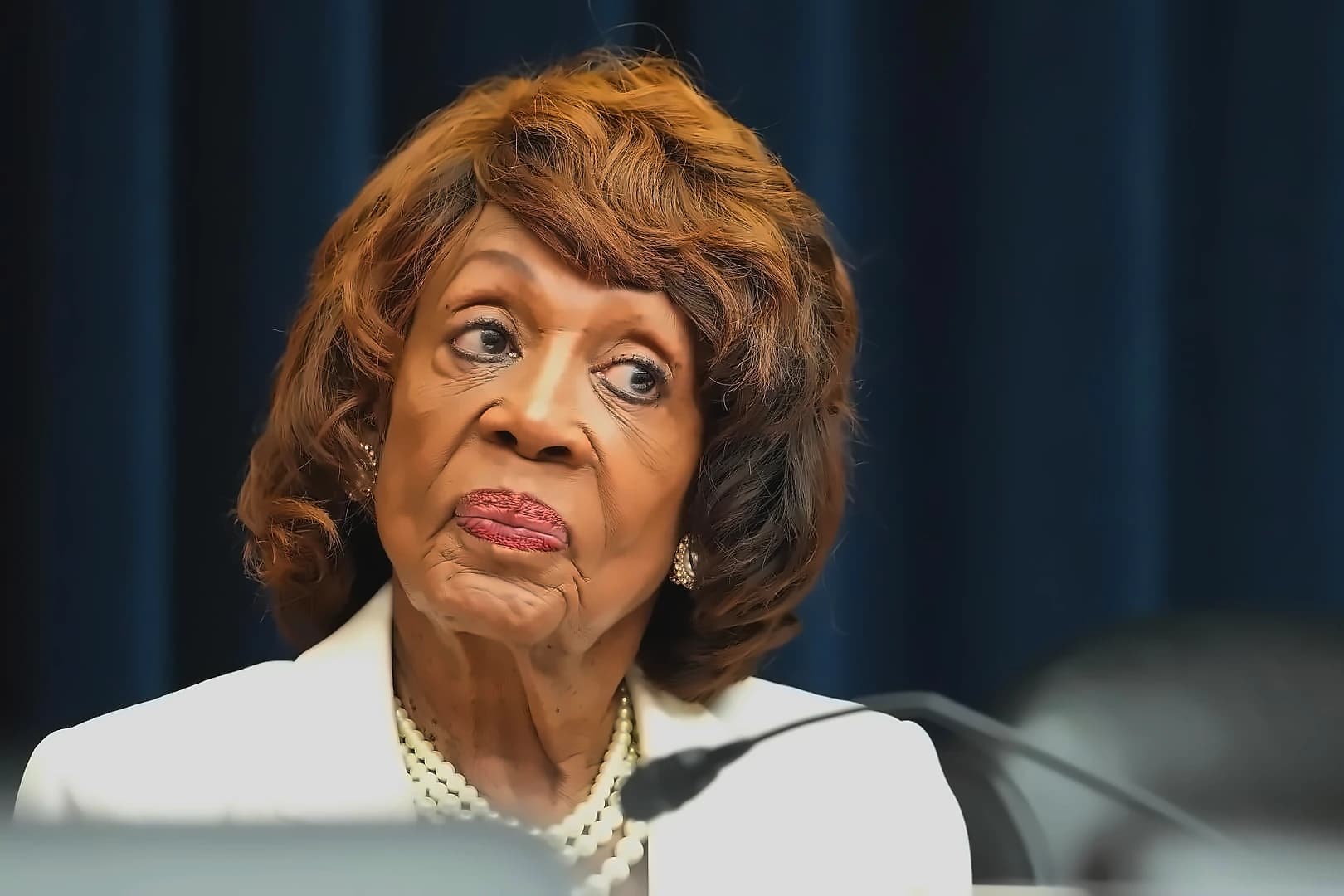
The CLARITY Act setback has put the SEC and CFTC in position to drive crypto policymaking, but they risk significant backlash from the left as lawmakers fear they're too cozy with the industry. Sen. Warren, who could be in line to lead the Banking Committee next year in a Democratic-controlled Senate, said in an interview that 'of course' she's concerned about the agencies' forthcoming efforts. "Both the head of the CFTC and SEC have made clear that they're in crypto's pocket and want to do whatever they can to facilitate whatever it is that crypto wants to do," she stated. This development comes as Wall Street regulators are readying new cryptocurrency rules after lawmakers punted on a digital assets bill before heading home for recess. Kalshi prediction market odds place the probability of a Democratic House majority at 84% for the 2026 midterms, a figure that would return Representative Maxine Waters to the chair of the House Financial Services Committee.
The White House has reaffirmed its commitment to passing the Digital Asset Market Clarity Act in September, with Patrick Witt, executive director of the White House's digital assets council, stating the administration is 'fully committed' to the legislation's passage. According to Watcher.Guru, these remarks came after the Senate failed to hold a vote on the bill before last week's summer recess. Senate Republican leader John Thune did not file for cloture, and Republicans and Democrats continued last-minute negotiations over ethics provisions, anti-money laundering requirements and language related to the Agriculture Committee's bill. The U.S. Senate is scheduled to vote on the CLARITY Act on September 15, marking a critical timeline for the legislation's prospects. Polymarket odds have already priced the bill's passage at under 50% for this session, reflecting the growing political challenges facing the legislation.
Maxine Waters, Shontel Brown, and Elizabeth Warren are positioned to control every committee that writes crypto law if Democrats take control of Congress. Kalshi prediction market odds place the probability of a Democratic Senate majority at approximately 47%, making it a near coin toss. If Democrats win both chambers, the crypto industry would face a legislative environment in which all four relevant committees are led by lawmakers who are either skeptical of or actively hostile to the industry's preferred regulatory framework. Waters served as chair of the House Financial Services Committee from 2019 to 2023 and was one of the loudest critics of Facebook's Libra stablecoin project, while Brown's district in the Cleveland area is not home to a significant crypto industry presence, meaning she faces no constituent pressure to prioritize digital asset legislation. Under Warren's leadership, the Senate Banking Committee would not advance the CLARITY Act in anything close to its current form, as her proposed Digital Asset Anti-Money Laundering Act would impose bank-like compliance obligations on DeFi protocols and self-hosted wallets.
The primary obstacle remains Senate Democrats' insistence on stronger ethics restrictions related to political officials' crypto interests. Senate Democrats are pushing for language barring elected officials from profiting off the industry in the face of concerns about President Trump and his family's various crypto-related ventures. Late last month, the White House agreed to an ethics provision that would ban public officials and their spouses from issuing or sponsoring digital assets, while tasking the Justice Department with enforcement. However, this proposal quickly faced pushback from key Democrats, particularly over the enforcement mechanism. They have instead pushed for state attorneys general to hold this role. Tillis and Sen. Ruben Gallego sent the White House a counteroffer for the ethics provision last week, though it remains unclear whether Trump will accept it. As noted by The Hill, 'President Trump is really the ultimate decider on this,' with analysts noting that even well-intentioned lawmakers could be blocked if Trump rejects the Democrats' proposals.
For the crypto industry, the potential shift to Democratic leadership could significantly impact legislative priorities. According to Blockchain Association CEO Summer Mersinger, as reported by CoinDesk, "Regardless of how you feel about crypto, we can't just ignore it. It's here, and the best thing that we can do is create a federally federal regulatory structure for it." Charles Schwab, which manages $13 trillion in client assets, publicly called the CLARITY Act a 'key catalyst' for its digital asset strategy, noting that roughly 20% of its clients hold crypto or have expressed interest in crypto exposure. The industry faces the challenge that even legislative wins probably wouldn't negate the president's potential conflicts of interest, as he'd be in a position to veto any legislation. The crypto industry is remaining hopeful that the Clarity Act can clear the Senate when lawmakers return for a brief three-week session in September, though analysts caution the timeline is tight. Ian Katz of Capital Alpha told The Hill that 'They have three weeks. It's possible. It's really difficult though. So, it doesn't look good. But I think basically if this happens it would go down to the wire.'