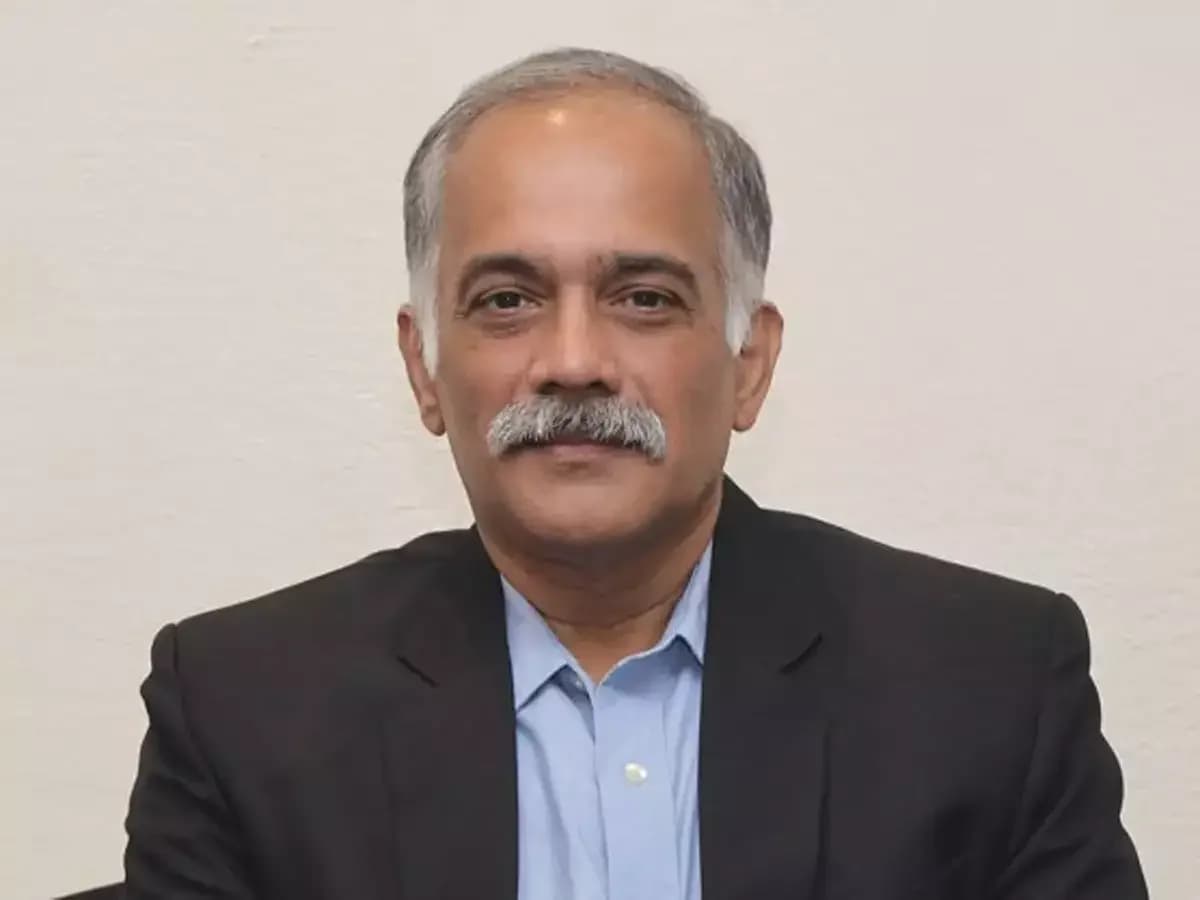
Binance founder Zhao Changpeng (CZ) has revealed his preference for investing in the underlying infrastructure powering artificial intelligence rather than AI applications themselves. Speaking during a Binance online livestream, CZ described his strategy as focusing on the 'shovels' of AI — including data centers, power supply systems and large-scale computing infrastructure required to support model training and inference workloads. According to reports from Binance, this approach reflects a growing investor narrative that the AI economy is not just about algorithms or software, but about energy, hardware and compute availability at industrial scale. The strategy aligns with recent market data showing that AI added little, if anything, to GDP in 2025, while the industry's massive valuations and spending have come through leveraging market power to grab resources from other parts of the economy.
CZ noted that while NVIDIA currently dominates the AI chip market, the long-term landscape may shift toward more specialized and customized compute solutions tailored to different AI workloads. As reported by Binance, this view aligns with a broader industry trend in which hyperscale data centers, energy infrastructure and semiconductor supply chains are becoming the primary bottlenecks in AI expansion rather than software innovation itself. The market dynamics are further complicated by the $770 billion that five hyperscalers plan to spend on data centers and related AI capital expenditures in 2026 alone, with Deutsche Bank predicting that total data center infrastructure spending will reach $4 trillion by 2030. However, recent analysis suggests that 75% of hyperscalers' infrastructure spending goes toward AI-specific items, highlighting the concentrated nature of AI infrastructure investments.
Despite growing interest in AI-related infrastructure, CZ emphasized that his investment firm YZi Labs continues to focus primarily on the crypto and blockchain sector, which still represents roughly 70% to 80% of its portfolio. According to Binance, he also suggested that AI's broader economic impact will extend into biotechnology and robotics, but said the firm does not plan to aggressively expand into large-scale biotech exposure at this stage. The strategy remains centered on digital asset infrastructure, decentralized networks and blockchain-based financial systems, even as capital increasingly flows into adjacent high-growth sectors like AI compute and automation. This approach contrasts with the broader AI boom where the eight largest tech companies saw their valuations more than triple between 2021 and 2025, while real wages for American workers fell slightly during the same period.
CZ's comments arrive at a time when global markets are increasingly rewarding infrastructure-heavy plays across multiple sectors — from semiconductor manufacturing and defense systems to energy grids and cloud computing. As reported by Binance, investors have been rotating toward companies and assets that provide foundational capacity rather than end-user applications, especially as demand for compute-intensive technologies accelerates. This infrastructure-first mindset also overlaps with broader macro uncertainty, where capital is increasingly concentrated in tangible capacity providers during periods of geopolitical fragmentation and supply chain stress. However, recent analysis suggests that the AI boom has consumed huge quantities of vital resources, including energy, water, construction materials, and memory chips, leading to significant price and utility rate increases in areas where AI data centers operate and, in some cases, across the country.