According to reports from CNBC TV18, choosing a cryptocurrency wallet requires balancing security with convenience while deciding who controls access to digital assets. Hot wallets are connected to the internet and offer easier access for regular transactions, making them suitable for frequent users. Cold wallets keep private keys offline and may suit investors holding assets for longer periods without frequent transfers, providing enhanced security through offline storage. As noted in recent reports, each wallet type offers different security levels and convenience tradeoffs, with hot wallets providing easy access while cold wallets offer maximum security for long-term holdings.
As reported by CNBC TV18, investors must understand the fundamental differences between custodial wallets where a platform manages the keys and self-custody wallets where users take direct responsibility. Prateek Gupta, Head of Business at Mudrex, emphasizes that investors should assess their intended use of crypto holdings and comfort level with taking responsibility before choosing a wallet. The choice depends on transaction frequency, investment horizon and the amount held, rather than one type being suitable for every investor. Recent guidance emphasizes that beginners should start with small amounts while learning how Bitcoin transactions work and how to secure their private keys properly, as losing these cryptographic keys means permanently losing access to Bitcoin holdings.
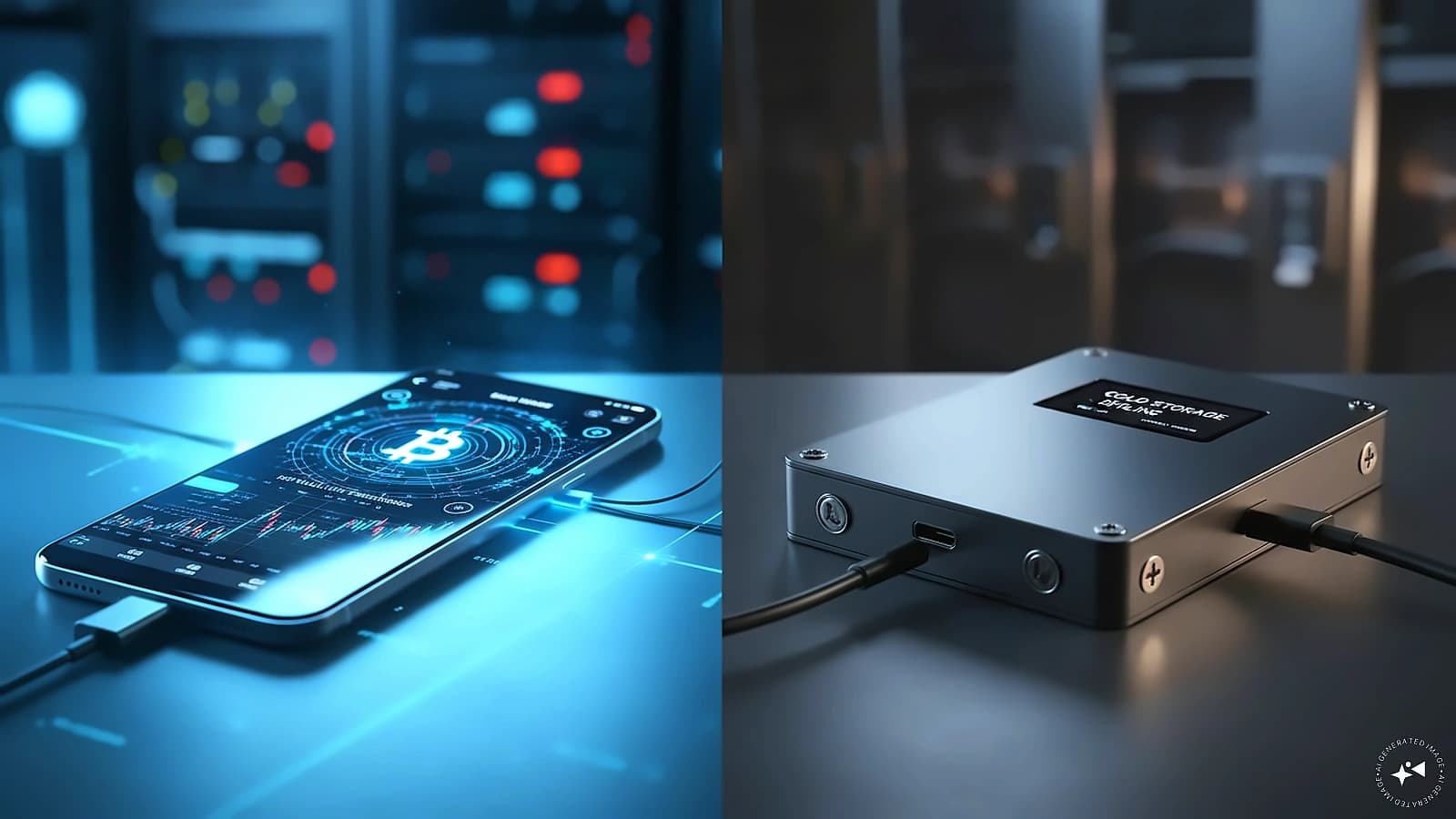
According to the report, hot wallets offer easier access but expose users to online threats, making them suitable for active traders. Cold wallets provide enhanced security through offline storage, but offline storage does not eliminate risks such as physical loss, theft or the loss of recovery credentials. The report notes that offline storage does not eliminate all risks, emphasizing that investors must prioritize strong security practices and guard against red flags like requests for seed phrases. Recent security recommendations include always enabling two-factor authentication on exchange accounts and never sharing your private keys with anyone, as no customer service can recover lost keys.
As reported by CNBC TV18, the choice between hot and cold wallets should align with investment strategy and usage patterns. Hot wallets are suited to frequent transactions, while cold wallets are better for long-term holdings without frequent transfers. The report emphasizes that the choice depends on transaction frequency, investment horizon and the amount held, rather than one type being universally superior for all investors. Recent practical applications show Bitcoin serving numerous purposes from international transfers, investment diversification, and online purchases to gambling site payments and Bitcoin ATM transactions. Understanding these applications helps investors make informed decisions about their wallet needs.