The European Union has sanctioned cryptocurrency exchange HTX as part of its latest effort to tighten pressure on Russia's financial system, according to reports from Reuters. HTX, formerly known as Huobi and founded in China, is one of the world's largest crypto platforms and was included in a list of 18 companies providing crypto services that the EU said helped Russians evade sanctions. The exchange, which was founded in China in 2013, is controlled by Hong Kong-based billionaire Justin Sun, who purchased a controlling stake in 2022. The EU's sanctions package targets banks, cryptocurrency networks, oil traders, the shadow fleet and Russian energy revenues as part of its response to Russia's war in Ukraine. HTX was first sanctioned by the UK in May as part of a package focusing on what London called 'shadow financial systems' underpinning Russia's war economy, sending shockwaves through the crypto industry as analysts said it was the first sanctioning of such a big exchange.
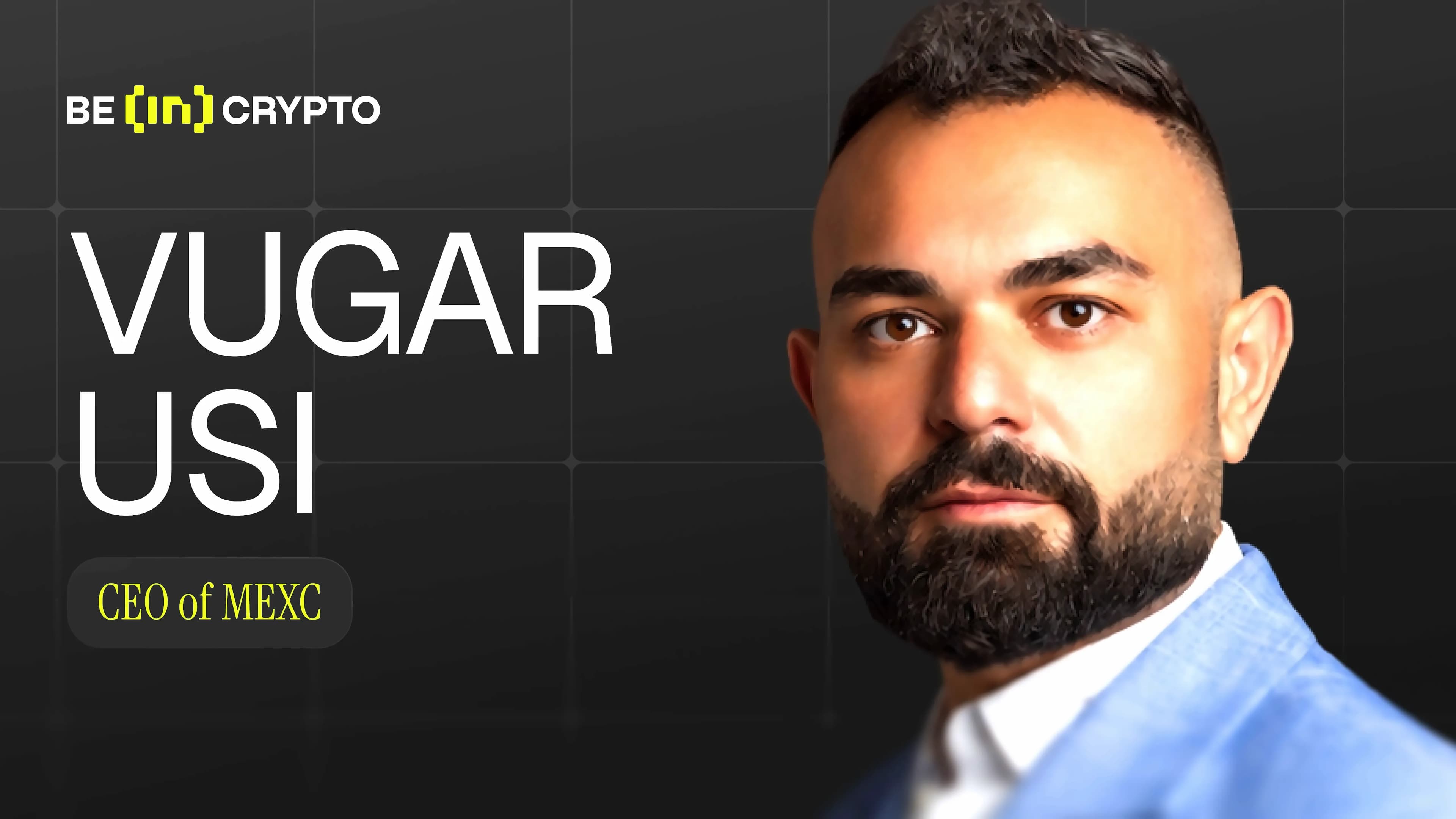
Major cryptocurrency exchanges are rapidly expanding beyond digital assets into traditional financial markets, with tokenized stocks reaching a record market value of about $2.3 billion in July, up from $329 million a year earlier. According to reports from BeInCrypto, MEXC has led this expansion by offering commodities, equity futures, pre-IPO products, and access to US-listed shares. The exchange's SPACEX(PRE) Launchpad demonstrated significant market appetite, with almost 80,000 users submitting close to $200 million in subscriptions across two rounds, as reported by BeInCrypto. This expansion reflects a broader trend where nearly one in five Americans has used crypto, though there are still demographic gaps with Republicans more likely than Democrats to report crypto usage.
The integration of cryptocurrencies into traditional finance has accelerated significantly, with major companies leading the charge. Companies like PayPal Holdings Inc. (PYPL), Venmo, and Cash App have integrated cryptocurrencies into their platforms, allowing users to pay or be paid in crypto through familiar financial apps. Major credit card companies like Visa Inc. (V) and Mastercard Inc. (MA) have moved toward integrating with crypto, with Visa offering stablecoin-linked cards and cross-border payment services. Crypto ETFs now trade like traditional stocks, often offering exposure to futures contracts or strategies designed to track spot prices of dedicated tokens, with providers like Vanguard making access possible for retirement account users. This integration allows customers who may not have otherwise been inclined to use cryptocurrency to access these payment methods within familiar financial platforms.
The expansion reveals complex ownership structures that differ significantly from traditional trading. As reported by BeInCrypto, MEXC's SPACEX(PRE) product is described as a Mirror Credits product that tracks the company's value, providing no voting rights, dividends, or direct shareholder claims. The exchange's equity futures allow users to speculate on stock prices with USDT and leverage, but traders do not own the underlying shares. In contrast, its RealStocks service launched in June provides access to US-listed equities through a securities brokerage partner, with purchases representing actual shares and including dividends where applicable. Stablecoins serve as one of the clearest bridges between cryptocurrency and traditional finance, maintaining stable value typically by referencing fiat currencies like the US dollar while allowing investors to move value globally within minutes at lower costs than traditional payment rails.
US regulators have identified multiple tokenization models that expose investors to risks beyond traditional securities. According to the US Securities and Exchange Commission's January statement, third-party tokenized products can expose investors to risks they would not face when holding the underlying security, including potential failure of the token issuer. As reported by BeInCrypto, MEXC CEO Vugar Usi acknowledged that wider platform access increases responsibility, stating that "wider access does not mean every product should be presented in the same way to every user" and emphasizing the need for clearer risk disclosures and educational content. Despite growing integration with mainstream finance, cryptocurrencies remain higher-risk assets than many traditional investments due to exceptional volatility and risks associated with fraud and scams.
The expansion into equities and commodities significantly increases compliance requirements across jurisdictions. According to BeInCrypto, MEXC appointed Robert MacDonald as chief compliance officer in July and is expanding its compliance team while adding automated screening and human review for fraud decisions. The platform has committed to expanding its Guardian Fund from $100 million to $500 million over two years and adding 1,000 BTC. CEO Usi emphasized that users should examine regular Proof of Reserves disclosures, external security assessments, and platform incident responses, noting that "no single fund, audit or data point is enough" for comprehensive trust measurement. Following the UK sanction earlier this year, HTX stated that "regulatory compliance remains our absolute top priority" and that the exchange proactively monitors and strictly adheres to regulatory frameworks in all jurisdictions where it operates.