Bitcoin price has clawed back to barely trading above $63,000 after a brutal weekend crash that saw the asset plummet to $59,000, marking the lowest print since Donald Trump's 2024 election victory. According to market analysis, the $59,100 low established Friday now acts as the immediate support floor, with a weekly close below that level representing a clear structural breakdown and potential acceleration toward the $55,000–$57,000 zone. The current volatility reflects broader market uncertainty as institutions navigate the launch of new derivatives products.
CME Group has launched bitcoin volatility index futures tied to the CME CF Bitcoin Volatility Index (BVX), allowing traders to speculate directly on expected four-week BTC price swings. According to reports from CME, these contracts track the market's expectations for bitcoin volatility over four weeks, representing a significant shift from traditional price-direction focused derivatives. The launch enables investors to trade and hedge volatility itself rather than bitcoin's price direction, opening new hedging and portfolio strategies previously difficult to execute on regulated venues.
Monarq and DV Chain executed the first block trades in CME's bitcoin volatility index futures last week, marking the official debut of these new contracts. As reported by CME, Monarq Asset Management is an institutional-focused quantitative and systematic digital asset investment firm managed by former executives from firms such as LedgerPrime, Tower Research, and BlockTower Capital. DV Chain operates as a liquidity and market-making service provider in the digital asset space. The BVX framework is particularly significant as it's derived from Bitcoin options and Micro Bitcoin options order book data, with elevated readings signaling the market is pricing in larger future swings rather than directional moves.
The volatility futures now operate under a continuous 24/7 trading schedule, enabling investors to handle volatility exposure around the clock regardless of time zones or weekends. This flexibility adds valuable dimensions to risk oversight in fast-moving digital asset markets, as noted by industry participants who welcomed the launch enthusiastically. The contracts provide a more transparent way for investors to articulate market views and protect their holdings efficiently, with institutions increasingly pursuing strategies focused purely on volatility, independent of underlying price direction. The launch could amplify near-term price swings as institutions initiate hedges, with high BVX readings indicating expectations for sharper moves in both directions.
The volatility futures eliminate the complexity of traditional derivatives that require views on price direction, allowing traders to express pure views on how BTC will move in either direction. According to CME, this opens the door to sophisticated hedging strategies around events such as U.S. inflation data releases, where traders can go long or short volatility depending on their market outlook. Shiliang Tang, CEO of Monarq, called the launch a positive step in broadening regulated volatility offerings, emphasizing the growing demand for sophisticated risk management instruments as bitcoin matures into a mainstream institutional asset class. Market consensus leans cautiously bullish, but only if the $59,000 floor holds, with potential for BTC to reconquer the $65,000 resistance and target the mid-$70,000s within two weeks if institutional buying is confirmed.
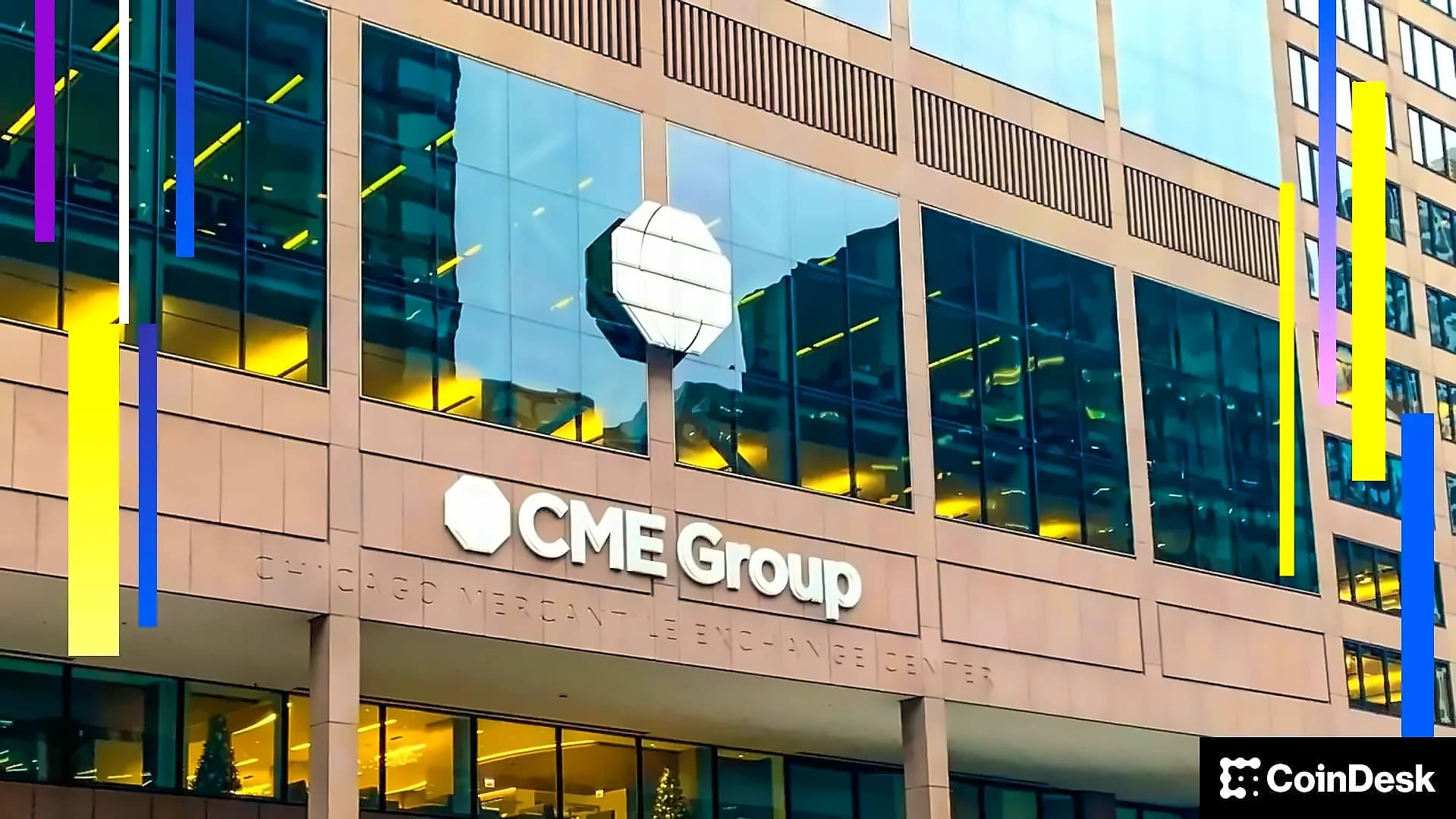
The launch expands CME's existing crypto derivatives product suite, which includes bitcoin and ether standard and micro futures and options contracts. As reported by CME, the platform's crypto derivatives business has reached approximately 266,900 contracts year-to-date, representing a 38% year-on-year increase. Average daily open interest stands at approximately 274,500 contracts, up 18% year-on-year, demonstrating significant growth in institutional crypto trading activity. The firm recently introduced 24/7 trading for its crypto products on May 29, further enhancing accessibility and building on sustained momentum in the segment.