Twenty-six financial institutions signed Cross-border e-CNY Transfer Services direct participant agreements with e-CNY Center International Co in Shanghai on Tuesday, becoming the first group to gain access to CBETS, a cross-border blockchain-based infrastructure service platform designed to support the international use of the digital yuan. Developed and operated by e-CNY Center International Co, the platform enables participating institutions to connect with the payment and digital fiat currency systems of monetary authorities in different jurisdictions. The first batch of participants includes Standard Chartered Bank (China) Ltd, along with overseas branches of multiple Chinese banks located in Thailand, Singapore, Laos, the United Arab Emirates, Qatar, Brazil, and the Hong Kong and Macao special administrative regions.
The platform leverages central bank direct connect mechanism and distributed ledger technology to reduce settlement times from several days to a matter of seconds. In terms of cost, peer-to-peer clearing bypasses the multiple layers of fees charged by correspondent banks, resulting in a significant reduction in transaction fees. Regarding compliance, smart contracts ensure that the entire transaction process is verifiable and traceable, effectively mitigating money laundering risks. As per Fu Yifu, a special researcher at Jiangsu Su Merchants Bank, once multiple banks gain access to CBETS, cross-border payments will see substantial improvements in efficiency, cost, compliance and interconnectivity. Looking ahead, he expects the platform's use to extend into more complex areas such as investment and financing, supply chain finance, and digital assets.

Bank of Communications' Hong Kong branch, Hong Kong subsidiary, Macao branch and Brazil subsidiary are among the first batch of direct participants. BOCOM said the collaboration will further enhance its global e-CNY operational footprint, optimize its digital payment services for cross-border trade and daily transactions, and help build an efficient and inclusive cross-border payment system. In addition, BOCOM has partnered with a Malaysian institution to launch an e-CNY solution focused on the payment needs of foreign visitors to China. Leveraging the CBETS system and its operational standards, the solution enables non-resident individuals to make mobile payments in China using overseas e-wallets, effectively enhancing the convenience of cross-border payments and substantially deepening financial connectivity between China and Malaysia.
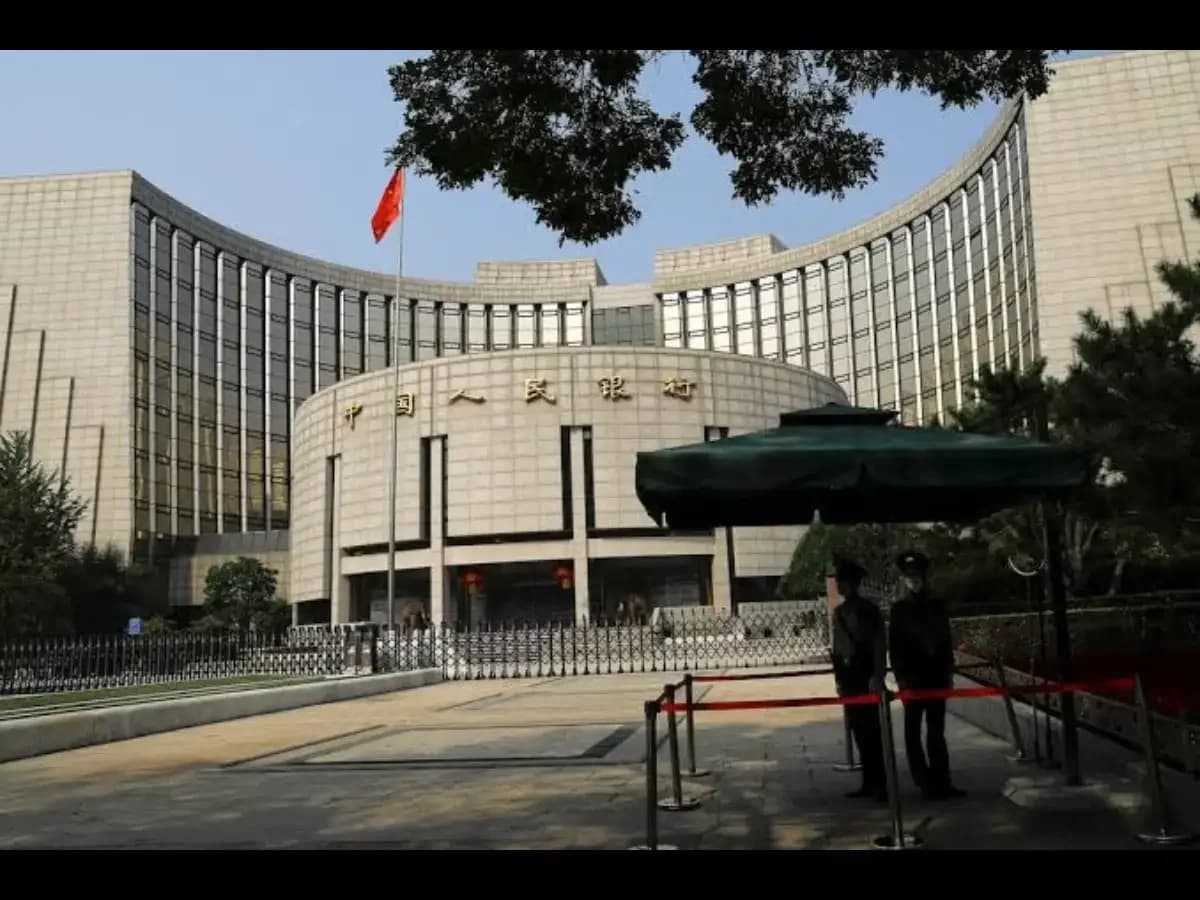
The People's Bank of China has acknowledged that stablecoins could play a larger role in cross-border payments and is calling for closer regulatory coordination. According to remarks delivered by Wang Xin, director-general of the Research Bureau of the People's Bank of China, at the Lujiazui Forum 2026 Plenary Session II: Global Financial Governance Reform and Cooperation on June 17, policymakers are paying close attention to how stablecoins could affect the international monetary system and cross-border payment networks. As reported by the central bank official, sustainable development depends on large volumes of cross-border investment and financing activity, which in turn requires efficient and diversified payment infrastructure. Wang emphasized that the next step is to further ensure the security, neutrality, and efficiency of the international payment system, while strengthening interconnection between central banks and retail payment systems.
At the forum, Wang called for international financial institutions and multilateral development banks to strengthen their financial capacity and improve governance structures to support developing economies. He also advocated for faster quota reforms and more effective operating processes, arguing that international institutions should play a larger role in providing funding and capacity-building support for sustainable development projects. While mainland authorities have tightened oversight of stablecoins, Hong Kong has continued developing a licensing regime for issuers, with the Hong Kong Monetary Authority reviewing dozens of applications under the territory's Stablecoins Ordinance. Wang emphasized the need to promote a more inclusive, efficient, and resilient international payment system to better support sustainable development and the growth of the world economy. As per Jerry Zhang, Standard Chartered's global head of RMB commercialization, digital infrastructure development is a crucial pillar in advancing the internationalization of the RMB, with the bank recognizing the transformative potential of digital currencies and being fully committed to contributing to the development of the digital RMB ecosystem.