Bitcoin has successfully reclaimed $78,000 on Gate's BTC/USDT pair, marking a 2.15% gain over the past 24 hours and extending the rebound from $76,000 lows. This latest move puts Bitcoin back above the $78,000 level that has acted as a near-term ceiling in recent sessions, with multiple exchanges reporting repeated tests of the high-$70,000s but little sustained time above that zone. The price action has created a two-week consolidation within a $74K–$78K range, where the current band sits just below the widely watched $80,000 round-number milestone. A clear rejection at $78,500 would confirm sellers are defending the zone, potentially triggering a deeper pullback, while a sustained weekly close above $78,000 would be a powerful breakout signal opening the path for further upside toward $80,000.
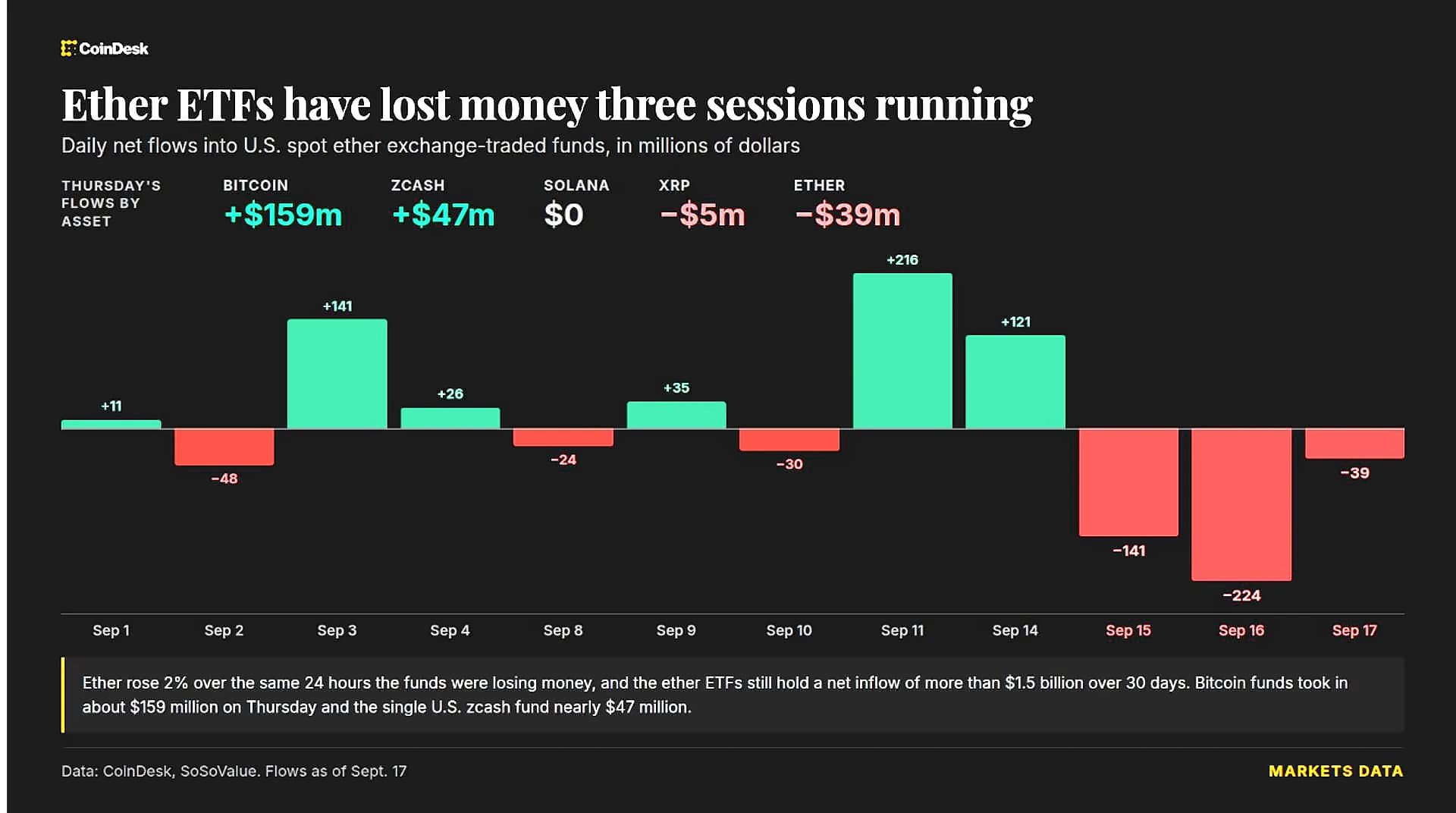
Bitcoin ETF products have demonstrated remarkable resilience with $1.2 billion in weekly inflows for the week of April 20-24, marking the fourth consecutive week of positive institutional momentum. However, after a month of robust inflows, U.S.-listed spot Bitcoin ETFs shed $243 million last week, marking a reversal from prior net buying. The total assets under management in Bitcoin ETFs have now risen to $155 billion, the highest level since February, though this remains significantly below the October 2025 peak of $263 billion. This outflow coincides with a cooling in broader crypto market momentum, suggesting the initial wave of institutional capital may be pausing as the market waits for fresh catalysts to reignite the flow. As yellow.com noted, BTC's ability to hold above roughly $78,000 has coincided with rising retail search interest and renewed ETF inflows, both of which can add incremental spot demand when sentiment leans bullish.
The derivatives market reflects a cautious, balanced positioning with minimal speculative fervor. The Bitcoin funding rate sits at a slight negative of -0.0087%, indicating traders on the long side are paying a small premium to the short side. This minimal cost signals low speculative fervor and a lack of aggressive directional bets, which can help prevent sudden, violent liquidations. The broader crypto Fear & Greed Index currently reads 62.51, indicating investors are optimistic but wary, with sentiment in a 'greed' zone but not euphoric. For intraday traders, the reclaim of $78,000 on venues like Gate often becomes a reference level, with staying above it keeping the bias tilted toward testing $79,000–$80,000, while a failure back below may invite another round of mean-reversion trades toward the mid-$70,000s. Longer-term holders focus more on how these levels line up with broader trends in ETF flows, exchange reserves, and macro indicators like the dollar index and Federal Reserve expectations.

The Federal Reserve maintained rates at 3.5%-3.75% with Fed Chair Jerome Powell explicitly linking elevated inflation to higher global energy prices, citing Middle East tensions as a source of economic uncertainty. Powell estimated that total PCE ran at 3.5% through March and core PCE at 3.2%, with higher oil prices set to push overall inflation up in the near term. The Fed's four-way dissent — the first such split since October 1992 — exposed the committee's actual posture of easing bias, with three officials arguing the language was already too accommodating. For Bitcoin, the immediate catalyst for current institutional flow is the upcoming Federal Reserve decision, with institutions positioning ahead of this event. The Clarity Act passage provides a foundational legislative tailwind, enshrining pro-crypto principles and reducing regulatory uncertainty.
The market's fear gauge is reading 13, indicating extreme fear levels that historically precede bearish moves, but the current institutional flow provides powerful counterweight. The $65,000 to $70,000 range represents key downside support, with the $68,000 band serving as the first meaningful structural floor, while the $80,000 level remains the critical breakout trigger. The primary near-term risk is a failure at resistance, with a break below the current $74K–$78K range invalidating the recent recovery and signaling a return to a more defensive posture. This downside scenario is compounded by emerging structural concerns, including the accelerating timeline for quantum computing risks to Bitcoin's cryptography, which introduces a new layer of long-term uncertainty that could weigh on sentiment if it gains traction. The current zone is framed as a 'launch pad' rather than a destination if macro conditions and flows stay supportive, with traders watching for a clean break toward $80,000.