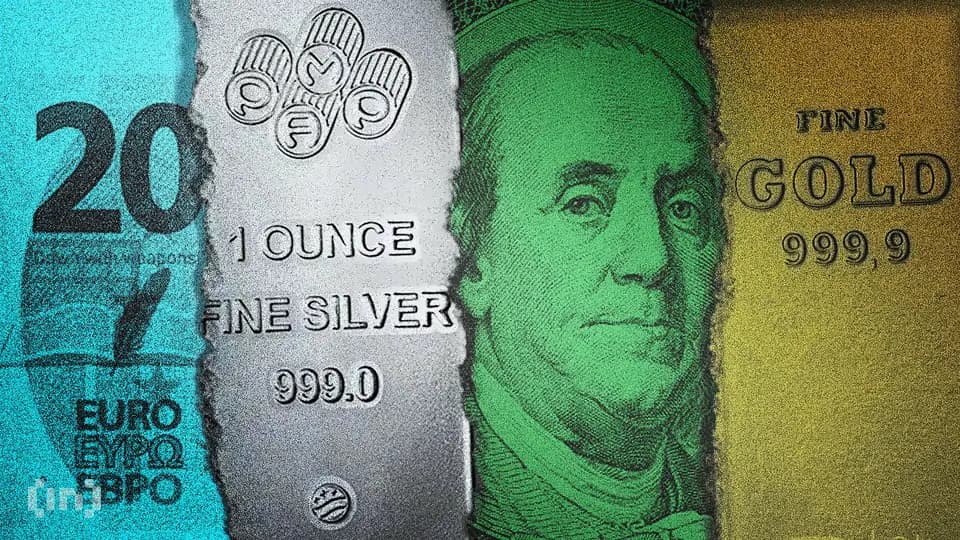
In a recent podcast debate on The Spillover, analysts Rebecca Patterson and Sebastian Mallaby staged a friendly comparison between gold and bitcoin as dollar alternatives, questioning whether either asset has truly earned its reputation as a store of value. The debate highlighted that both assets have experienced extraordinary volatility in recent weeks, with bitcoin falling from near $125,000 in October to just over $60,000 currently, while gold similarly went to the moon earlier this year before retreating sharply. As reported by The Spillover, the analysis revealed that both assets share limited supply characteristics - gold supply increases only through recycling or mining, while bitcoin's supply is hardwired at 21 million coins with the 20 millionth bitcoin mined earlier this year. The debate concluded that neither asset is straightforward to analyze, with gold benefiting from centuries of institutional credibility and diversification track record, while bitcoin offers finite supply and upside potential despite its correlation with risk assets.
According to reports from CoinDesk, bitcoin's long-term appeal as an inflation hedge remains strong despite its price halving to $63,000 since October last year. The cryptocurrency's fixed supply of 21 million coins and transparent issuance schedule serves as a neutral yardstick that exposes dollar debasement, as highlighted by Zack Wainwright, digital asset research analyst at Fidelity Digital Assets. Bitcoin's 90% decline in housing price equivalence from requiring more than 50 BTC in 2020 to just 5 BTC currently demonstrates this erosion of fiat currency value. Recent observations indicate that the prices of houses being quoted in bitcoin reveal a broader trend: the dollar is losing its value, with more real estate listings and transactions denominated in bitcoin highlighting the traditional currency's waning stability. However, as noted in the The Spillover debate, bitcoin often trades like a small cap fintech stock, compounding losses when equities fall, with data showing it fell an average of 5% when NASDAQ dropped 5% or more over the 2013-2023 period, compared to gold's 63% rise during those episodes.
As reported by CoinDesk, a typical U.S. house has gained more than $100,000 since 2020, generating a positive wealth effect that makes homeowners feel wealthier and increases spending and borrowing. However, this gain may be a mirage when measured in bitcoin terms, where the same house now costs significantly less than it did five years ago. The analysis suggests that decades of monetary expansion have stoked inflation above the Federal Reserve's 2.5% target for more than five years, diluting the dollar's value and creating an optical effect in traditional asset pricing. The use of bitcoin in real estate transactions is still emerging but gaining traction among investors and sellers seeking to hedge against dollar depreciation, underscoring the importance of understanding how fiat currency devaluation impacts asset pricing and investor behavior. According to The Spillover analysis, gold tends to perform well at macro extremes, benefiting from inflation running above expectations and central bank policies that appear behind the curve, while bitcoin's correlation with tech stocks makes it vulnerable to broader market movements.
According to CoinDesk, near-term recovery prospects in the bitcoin price depend on the return of demand for ETFs, especially BlackRock's IBIT, widely considered a proxy for institutional demand. The fund has pulled in over $200 million this week, ending a record streak of outflows worth billions of dollars. However, recent analysis suggests that institutional allocators are chomping at the bit to get in despite current market conditions, with institutional clients at one platform skyrocketing from 1 million to 2 million signups as Japanese firms add bitcoin and XRP to their balance sheets instead of holding treasuries due to yen weakness. As noted by market analysts, if people believe that the four-year cycle is currently intact, that Bitcoin is going to rise again, then this is the time they're starting to purchase to avoid future debasement. The The Spillover debate highlighted that bitcoin's portability advantages include being difficult to freeze or confiscate, making it potentially more useful for cross-border transactions in unstable regions, while the potential for the US to begin holding bitcoin as part of strategic government reserves could provide additional institutional support.
As reported by CoinDesk, stablecoin market cap fell to $312 billion in June, its largest monthly drop since TerraUSD, while tokenized equity volumes surged 145% to a record $3.86 billion. The analysis also notes that the yield on a 10-year Treasury inflation-indexed security has risen to 2.30%, the highest since January 2025, adding 58 basis points since the onset of the Iran war in late February. This hardening of real yields raises the opportunity cost of holding non-yielding assets like gold and bitcoin. Recent geopolitical developments have tested bitcoin's hedge capabilities, with the cryptocurrency falling more than 2% on Wednesday, July 8, 2026, after President Trump declared the fragile U.S.-Iran ceasefire "over" following fresh airstrikes. The episode demonstrates how Bitcoin's short-term correlation with risk assets reflects how deeply it has become embedded in traditional financial markets, as noted by Iliya Kalchev, analyst at Nexo's Dispatch. Market analysts note that Bitcoin has been trading at roughly the same price in the high 50s, low to mid 60s for a very long time, with the Coinbase Bitcoin premium index hitting a record 50-day negative streak indicating weaker US institutional demand.