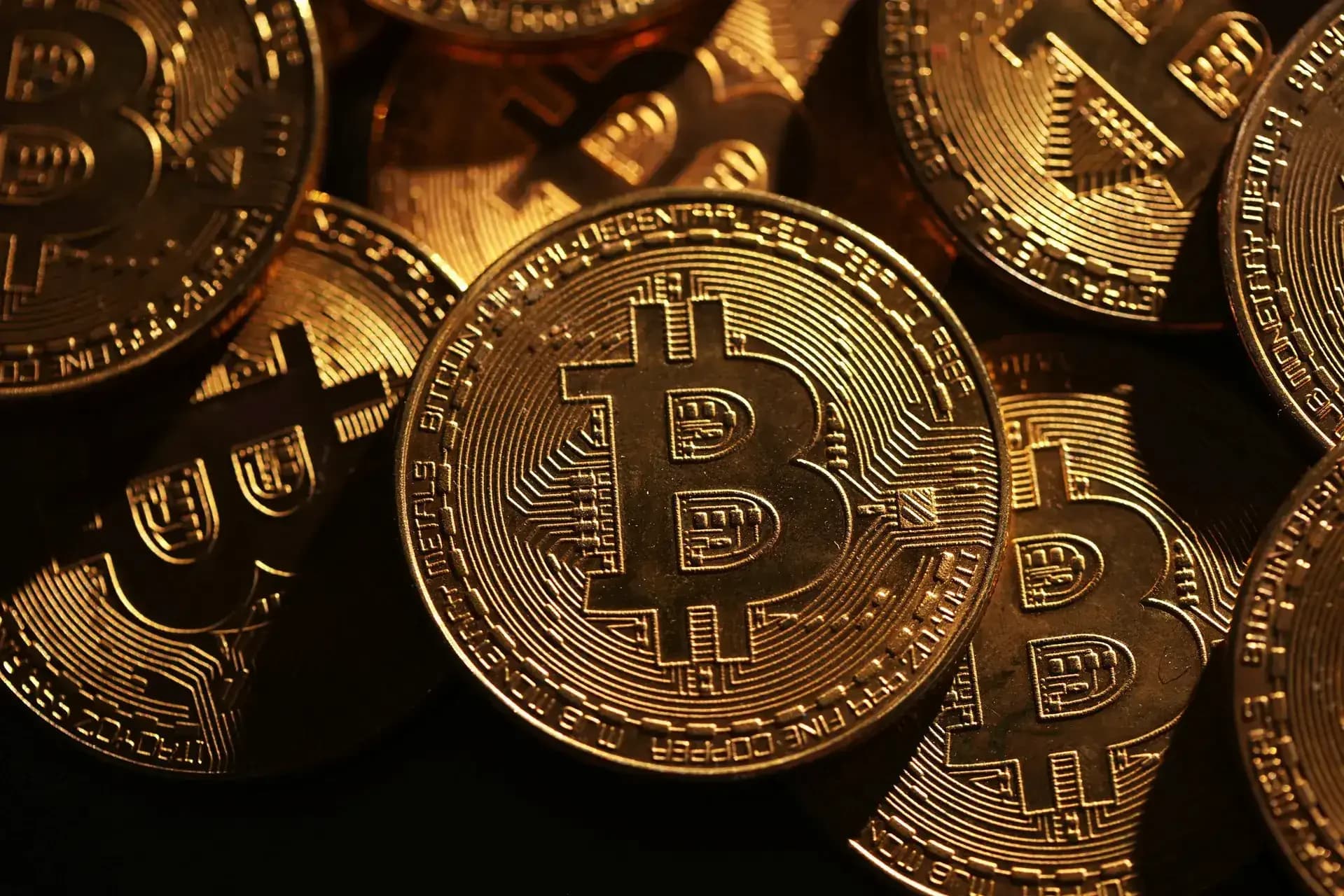
Bitcoin ETFs recorded their largest single-day outflows since January 29, with $648 million in net outflows on Monday according to SoSoValue data. BlackRock's iShares Bitcoin Trust (IBIT) accounted for the majority of withdrawals with $448 million leaving the fund, followed by ARK 21Shares Bitcoin ETF (ARKB) at $109 million. As reported by 10x Research, over $1 billion has exited Bitcoin ETFs since last week's inflation report, with the firm noting that "the inflation trade is back" as cryptocurrency sentiment dropped from 87% to 45%. The primary catalyst for current market weakness is over $2.1 billion in outflows across the last six trading sessions, with BlackRock's IBIT fund alone offloading more than $1 billion in BTC in recent days. Bitcoin is now struggling to reclaim $78,000 after a $5,000 slump from $82,000 just last week, trading at roughly $77,400 and continuing the downward momentum that began last week.
While Bitcoin and Ethereum ETFs continue bleeding capital, Solana and Ripple ETFs are flashing green, signaling an investor shift from the top two digital assets into beta plays. XRP has registered nine days of positive flows across its ETF offerings, while SOL has experienced a similar run, though neither asset has stopped sliding with XRP down 6% and SOL down 10% on the week. The divergence highlights how institutional investors are repositioning away from established cryptocurrencies toward alternative digital assets. Ethereum's bearish price action can be tied to a seven-day streak of negative ETF flows, which has seen around $400 million exit various ETH ETF funds, contributing to ETH's decline to $2,120 and dangerously close to losing $2,000 once more. This flow divergence reflects changing institutional sentiment as investors seek exposure to different risk profiles within the crypto market.
The Fear & Greed Index has nearly halved in the past week, falling from 42/100 this time last week to just 27/100 today, just 2 points away from returning to 'Extreme Fear' territory. The sharp drop signals significant uncertainty among traders amid the Iran-US saga, which continues to spook crypto markets. Polymarket backs this bearish sentiment, with the prediction market platform having a 56% chance of Bitcoin falling below $75,000 in May, and a 13% chance of it dropping under $70,000. On the flip side, Polymarket has Bitcoin at a 10% chance of hitting $85,000 before this month is out, prompting multiple analysts to call for a drop back toward $60,000 in Q2. The Fear & Greed Index highlights how institutional pressures are creating widespread uncertainty across the crypto market, with the current reading indicating extreme risk-off sentiment among professional traders.

MicroStrategy's Saylor and his Strategy firm have ceased buying Bitcoin, with the BTC treasury firm not having announced a buy since May 18, when it bought an additional 24,869 BTC for ~$2.01 billion at an average price of $80,985. This represents a significant shift in institutional behavior, as MicroStrategy had been one of the most aggressive institutional buyers of Bitcoin. The current heavy outflows represent profit-taking, even as sentiment across derivatives markets turned noticeably more defensive overnight. Bitcoin's price traded flat in the last 24 hours, stable at around $76,800 in early morning trade, following a sharp selloff on Monday that triggered more than $800 million in liquidations across the broader crypto market. The market is struggling to regain momentum after weeks of aggressive leverage and nonstop optimism.
Despite institutional pressures, tokenization projects experienced sharp spikes in trading volume as investors repositioned toward real-world asset exposure. Ondo posted a 50% rally in 30 days, while Hype recorded a 21% jump in a week. The development represents a major step toward mainstream adoption, with tokenized equities gaining attention as U.S. regulators prepare a framework for blockchain-based stock trading. XRP also remained among the strongest-performing large-cap tokens this week, with South Korean exchanges reporting XRP volumes surpassing both Bitcoin and Ethereum during peak retail trading hours. These tokenized assets continue to outperform traditional cryptocurrencies as investors seek alternative investment vehicles during the current market downturn.